
Loading...

Regular Coffee (1 Mug (8 Fl Oz))

food-timeBreakfast

How to consume Regular Coffee without glucose spikes

Incorporate Fiber-Rich Foods

Add foods high in fiber to your meals. Examples include vegetables like broccoli and Brussels sprouts, or legumes like lentils and chickpeas. These can help slow the absorption of sugars into your bloodstream.

Pair with Protein

Include a source of protein when having your coffee, like a handful of nuts or a boiled egg. This can help stabilize blood sugar levels.

Opt for Whole Grains

If you're having your coffee with baked goods, choose options made with whole grains. Whole grain bread or muffins can help maintain a stable blood sugar level.

Include Healthy Fats

Add foods with healthy fats to your meal, such as avocados or a small portion of seeds. These can help reduce the impact of sugar spikes.

Choose Low-Sugar Additives

Use non-sugar-based creamers or unsweetened plant-based milk alternatives in your coffee to avoid additional sugar intake.

Limit High-Carb Foods

Be mindful of the portion size if you consume high-carb foods with your coffee, like pastries. Smaller portions can prevent large spikes in glucose.

Stay Hydrated

Drink water alongside your coffee to help dilute the concentration of glucose in your bloodstream.

Experiment with Timing

Consider timing your coffee consumption to align with meals to see if it helps in maintaining steadier blood sugar levels.

Regular Monitoring

Keep track of your blood sugar levels to understand how your body responds to different foods and beverages, and adjust as necessary.

Consult with a Nutritionist

For personalized advice and meal planning, consider consulting a nutritionist who can suggest adjustments tailored specifically to your dietary needs.

healthspan-mbl

Discover
metabolic
health with M1

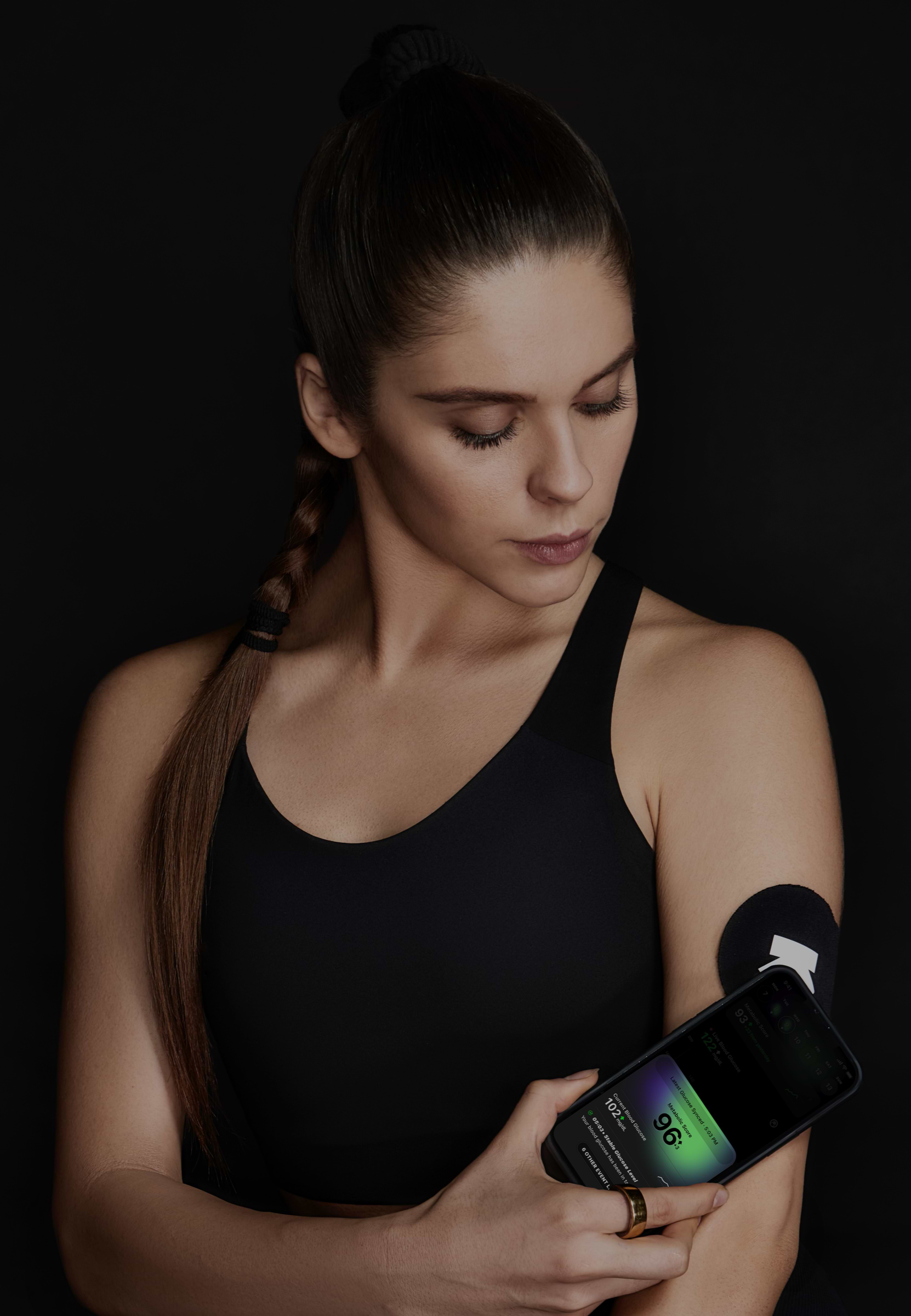
Ultrahuman M1 helps you measure the impact of food and activity on your body in real time through glucose as a biomarker.

Explore Ultrahuman M1

Find Glucose response for your favourite foods

Explore OGDb