


Rich Vanilla Ice Creams (0.5 Cup)
 Dinner
120 mg/dL
avg. peak value
Usually has a stable response
Avg. Food Score on Ultrahuman App
Ultrahuman Users got a STABLE response
Other related foods
- rich ice cream
- rich chocolate ice cream
- rich ice cream flavors other than chocolate
- rich vanilla ice creams
- rich cocoa dark chocolate
- optimum nutrition gold standard whey protein powder double rich choc 30 32 g 1 rounded scoop
- Davidoff Cafe - Rich Aroma Instant Coffee
- chocolate rich ice cream
- Fresh, Raw - Blueberries, 0.2 cup
How to consume Rich Vanilla Ice Creams without glucose spikes
Portion Control
Limit the amount of ice cream you consume to a small portion. Even a small reduction in the amount can significantly help in managing glucose levels.
Pair with Protein
Eat the ice cream alongside a source of lean protein, such as a small handful of almonds or a piece of grilled chicken. Protein helps slow down the absorption of sugar.
Add Fiber
Incorporate a fiber-rich food like chia seeds or a small amount of oats when enjoying your ice cream. Fiber can help mitigate spikes in blood sugar by slowing digestion.
Choose Alternatives
Opt for ice cream alternatives that are lower in sugar and fat, such as those made from almond milk or coconut milk, which may have less impact on blood sugar levels.
Exercise Post-Consumption
Engage in light physical activity, like a short walk, after eating ice cream. This can help your body use up glucose more efficiently.
Drink Water
Stay hydrated by drinking a glass of water before and after consuming ice cream. This can help with digestion and reduce sugar cravings.
Add Cinnamon
Sprinkle a small amount of cinnamon on your ice cream. Some studies suggest that cinnamon can improve insulin sensitivity.
Opt for Nuts
Top your ice cream with a small serving of walnuts or pecans, which can provide healthy fats and protein to balance the sugar content.
Eat Slowly
Savor your ice cream slowly rather than gulping it down. Eating slowly can help you feel fuller quicker and reduce the urge to consume more.
Monitor Timing
Consume ice cream as part of a meal rather than as a standalone snack. Having it after a balanced meal may help in lowering the impact on blood sugar levels.
Discover
metabolic
health with M1
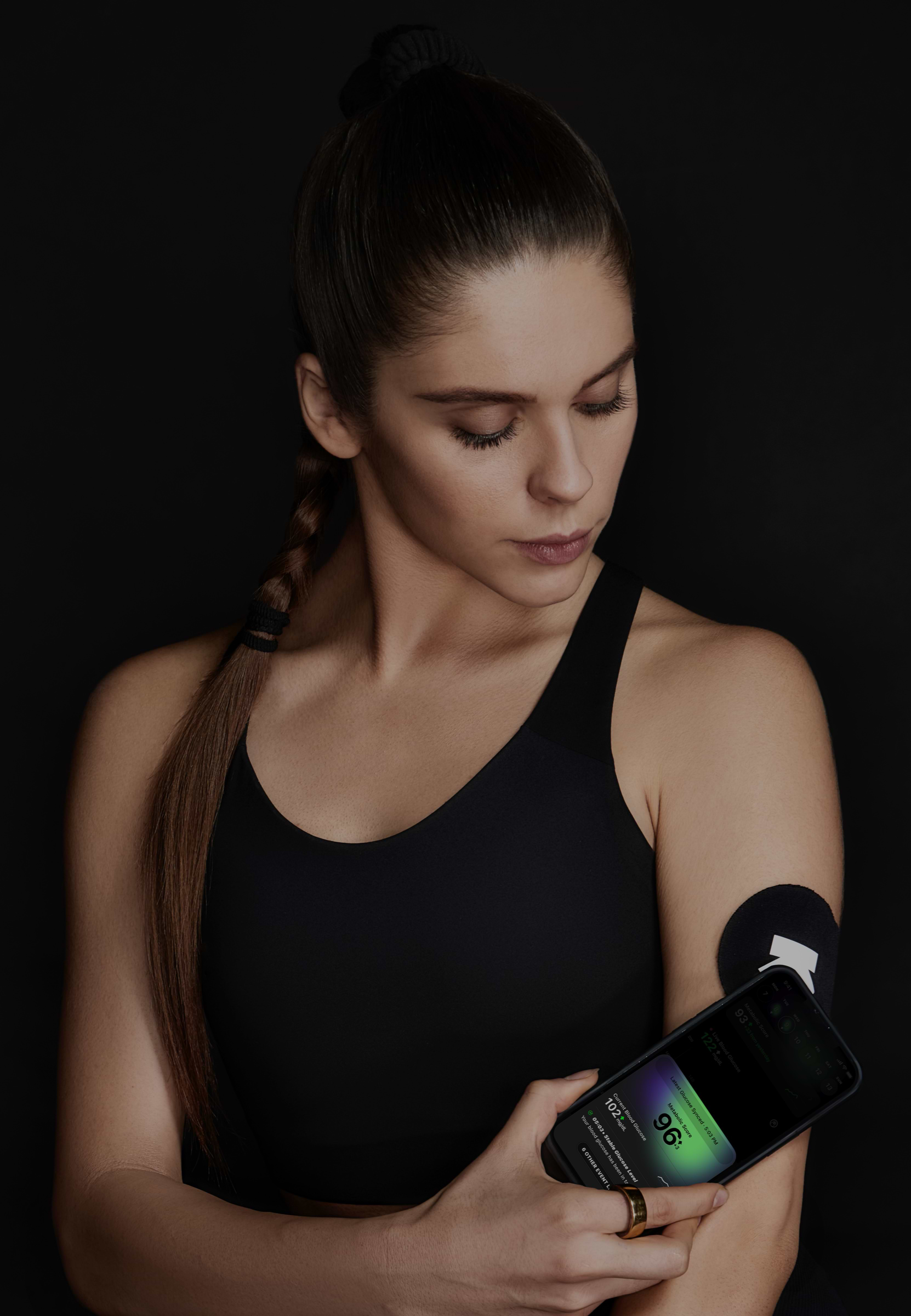
Ultrahuman M1 helps you measure the impact of food and activity on your body in real time through glucose as a biomarker.
Explore Ultrahuman M1Find Glucose response for your favourite foods
Explore OGDbYour cart is empty
Browse through our products and find something for you.