
Soft Serve Ice Cream (1 Cup)
Afternoon Snack
136 mg/dL
avg. peak value
Usually causes a medium spike
Avg. Food Score on Ultrahuman App
Ultrahuman Users got an UNSTABLE response
How to consume Soft Serve Ice Cream without glucose spikes

Portion Control
Consume smaller servings of soft serve ice cream to reduce the overall sugar intake and its impact on blood glucose levels.
Pair with Protein
Eat the ice cream with a source of protein such as a handful of nuts or a hard-boiled egg. Protein can help slow down the absorption of sugars.
Add Healthy Fats
Include healthy fats such as avocado slices or a small serving of natural peanut butter with your ice cream. This can help stabilize blood sugar levels.
Choose Whole Grains
If you are eating ice cream as part of a meal, balance it with whole grain options like quinoa or barley, which can moderate the body's glucose response.
Opt for Lower Sugar Toppings
Use toppings like fresh berries or chopped nuts, which are lower in sugar compared to syrups or candies.
Stay Hydrated
Drink plenty of water before and after having ice cream, which can aid in digestion and help manage glucose levels.
Physical Activity
Take a walk or engage in light physical activity after eating ice cream to help your body utilize the glucose more effectively.
Mindful Eating
Eat slowly and savor each bite of the ice cream, allowing your body time to process the sugar intake more efficiently.
Monitor Timing
Enjoy the ice cream as part of a meal instead of as a standalone snack, as this can help prevent sudden glucose spikes.
Consider Alternatives
Occasionally substitute with low-sugar or non-dairy ice cream options that tend to have a reduced impact on blood sugar levels.

Discover
metabolic
health with M1
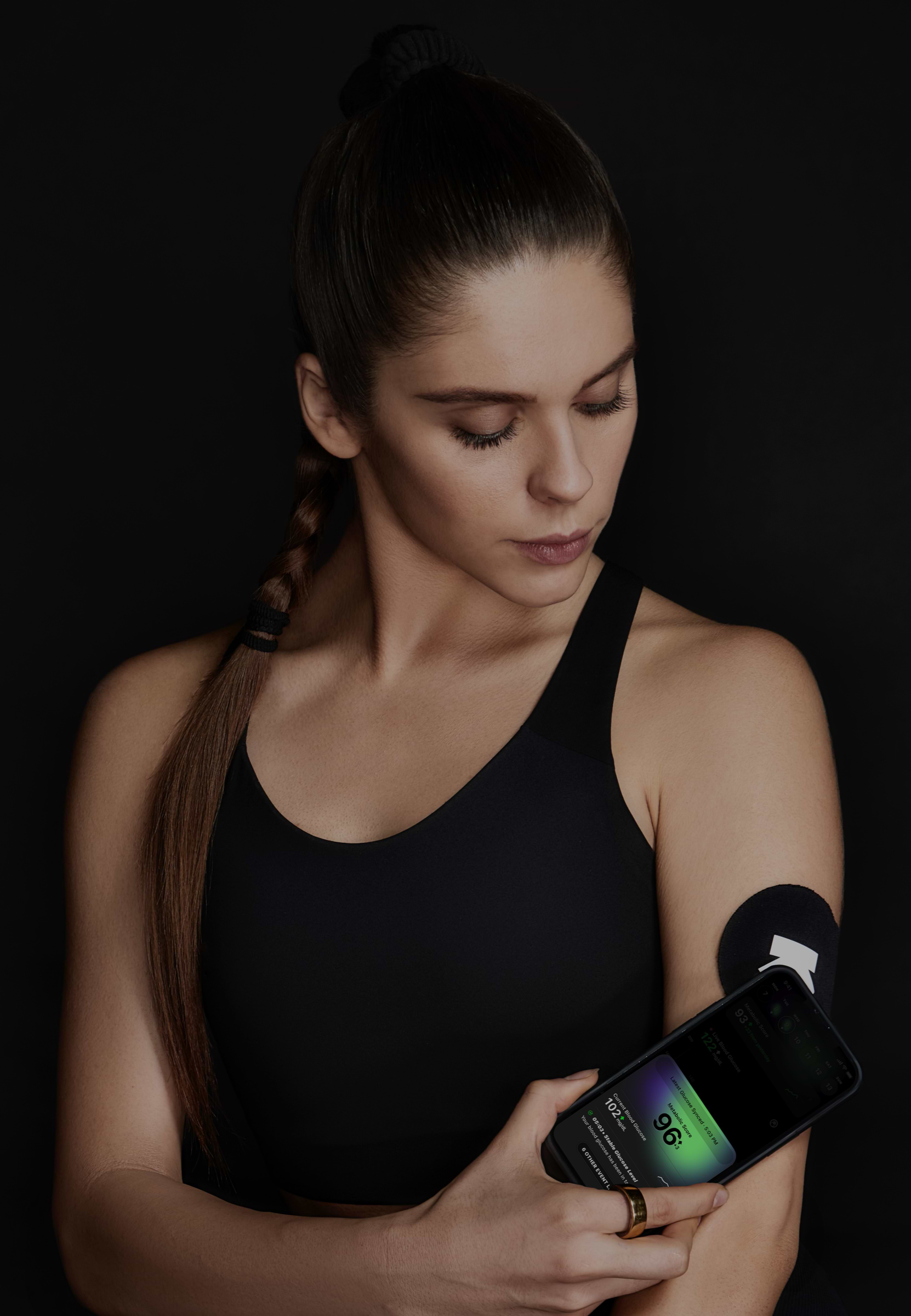
Ultrahuman M1 helps you measure the impact of food and activity on your body in real time through glucose as a biomarker.
Explore Ultrahuman M1Find Glucose response for your favourite foods
Explore OGDbYour cart is empty
Looks like you haven't added anything yet. Explore our products to get started.