
Loading...

How to consume Sugar without glucose spikes

Incorporate Protein and Healthy Fats

Pair sugary foods with protein or healthy fats. This combination can help slow down the absorption of sugar into the bloodstream. Consider eating nuts, seeds, or avocado along with your sugary treat.

Increase Fiber Intake

Consume high-fiber foods which can help stabilize blood sugar levels. Foods like lentils, beans, and whole grains such as barley or oats are excellent choices.

Stay Hydrated

Drink plenty of water throughout the day. Proper hydration can support your body's ability to regulate blood sugar levels.

Opt for Whole Fruits

When craving something sweet, choose whole fruits like berries, cherries, or apples, which are naturally sweet but also provide fiber and essential nutrients.

Practice Portion Control

Reduce the portion size of sugary foods to minimize the impact on your blood sugar levels. Eating smaller amounts can help manage spikes more effectively.

Eat at Regular Intervals

Maintain a regular eating schedule to help keep your blood sugar levels stable. Avoid long periods between meals to prevent dips that could lead to sugar cravings.

Add Vinegar to Meals

Incorporate vinegar, like apple cider vinegar, into your meals. It can improve insulin sensitivity and help moderate blood sugar spikes.

Engage in Physical Activity

Engage in light exercise, such as a brisk walk, after consuming sugary foods. Physical activity can help your muscles use glucose more efficiently.

Choose Low-Sugar Alternatives

Opt for desserts or snacks with natural sweeteners or lower sugar content. Look for products sweetened with stevia or monk fruit as an alternative to processed sugar.

Monitor Your Stress Levels

Practice stress management techniques such as meditation or deep breathing exercises. Stress can impact insulin sensitivity and blood sugar levels.

healthspan-mbl

Discover
metabolic
health with M1

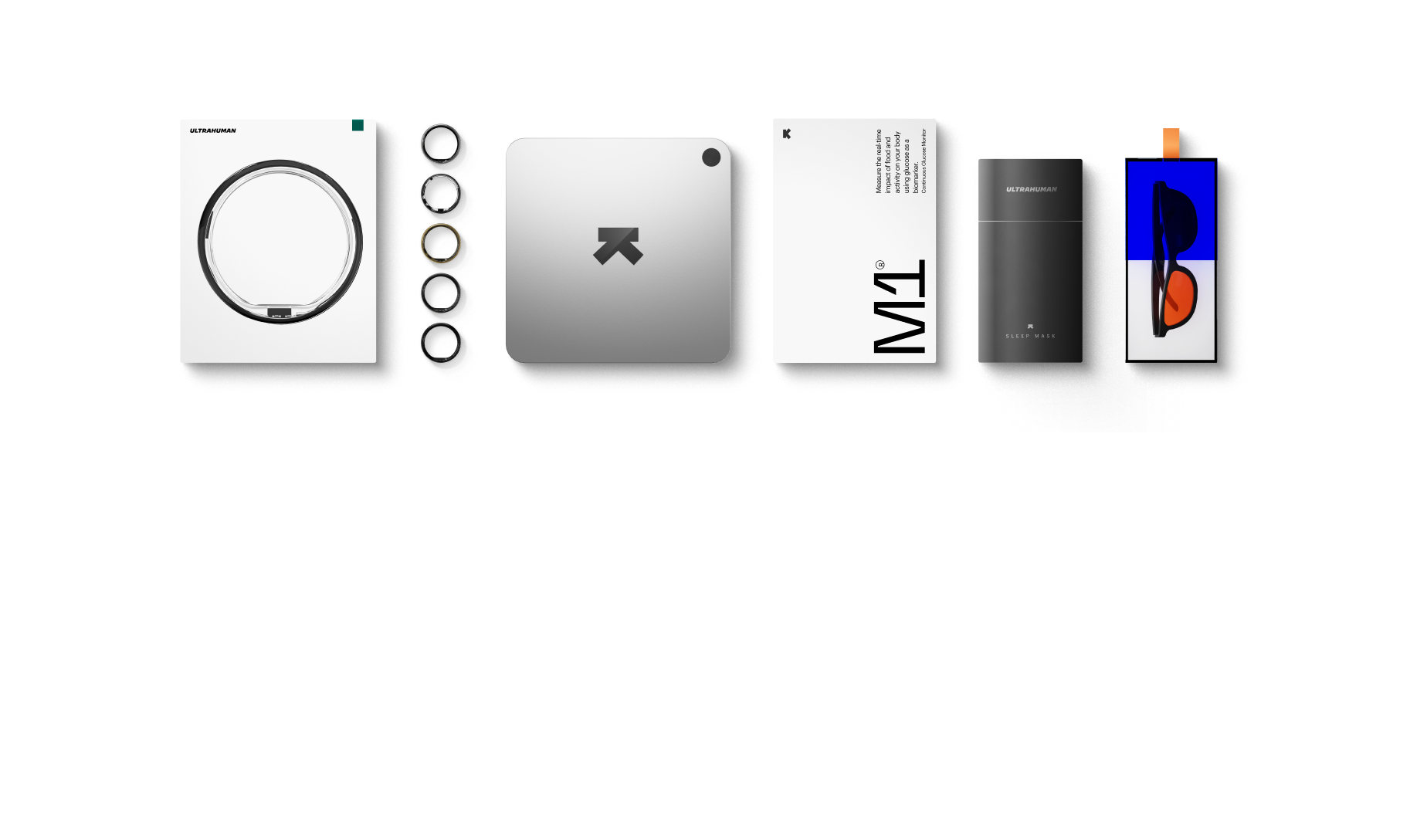
Ultrahuman M1 helps you measure the impact of food and activity on your body in real time through glucose as a biomarker.

Explore Ultrahuman M1

Find Glucose response for your favourite foods

Explore OGDb