

Introducing Pulsomics. Contribute to science. Learn MoreIntroducing Pulsomics. Contribute to science.
M2 Live is here. Continuous Glucose Tracking, no Rx
Introducing Pulsomics. Contribute to science. Learn MoreIntroducing Pulsomics. Contribute to science.
Ultrahuman Ring
Choose the ring built for you.

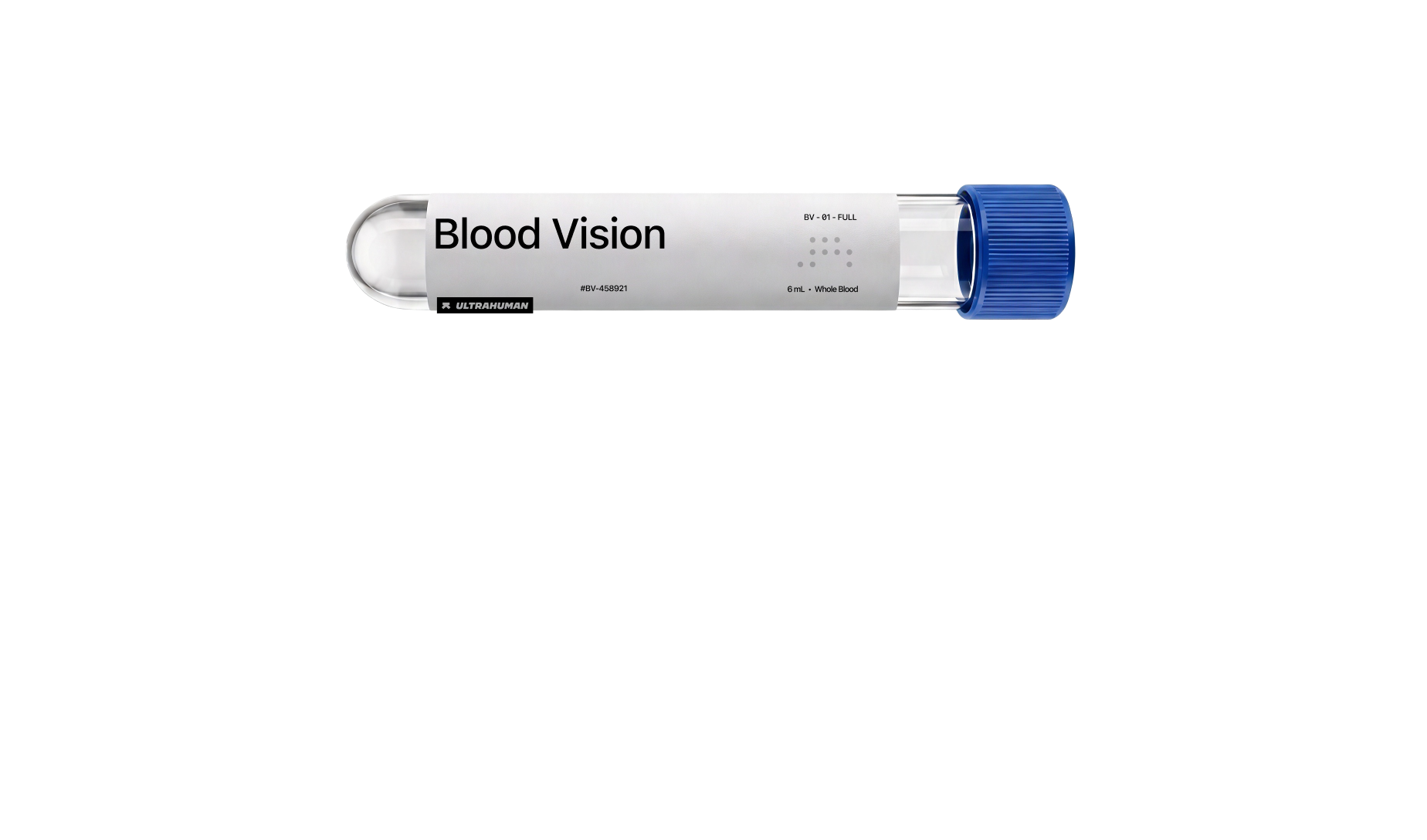
Performance Lab
Train, test and recover at our Bengaluru facility.


Science & Research

Berries (1 Cup), Coconut Milk Yogurt (Epigamia) (1 Serving), Boiled Egg (1 Large), Avocados (1 Avocado, Ns As To Florida Or California), Flaxseed Seeds (1 Tbsp, Ground), Gluten Free Bread (1 Medium Slice), Tesco - Micro Green Vegetable Medley (1 grams) and Red Onions (1 Serving (14g))
 Breakfast
112 mg/dL
avg. peak value
Usually causes a medium spike
Avg. Food Score on Ultrahuman App
71%
Ultrahuman Users got an UNSTABLE response
How to consume Avocados, Berries, Boiled Egg, Coconut Milk Yogurt, Flaxseed Seeds, Gluten Free Bread, Red Onions, Tesco - Micro Green Vegetable Medley without glucose spikes
Portion Control
Start by reducing the portion size of each food in your meal. Even foods that are generally healthy can cause spikes if consumed in large quantities.
Balanced Meals
Combine these foods with other low-carbohydrate, high-fiber vegetables like leafy greens, broccoli, or cauliflower. This can help slow down the absorption of carbohydrates.
Protein Addition
Include more protein sources in your meal, like grilled chicken or tofu. Protein can help stabilize blood sugar levels.
Healthy Fats
Add healthy fats such as olive oil or nuts like almonds and walnuts to your meals. These fats can help keep you full and reduce blood sugar fluctuations.
Consider Timing
Spread your intake of these foods throughout the day rather than consuming them all in one meal.
Physical Activity
Engage in light physical activity, like walking, after meals to help manage blood sugar levels.
Mindful Eating
Eat slowly and mindfully to give your body time to process the food and manage blood sugar levels effectively.
Hydration
Ensure you are well-hydrated throughout the day, as dehydration can affect blood sugar control.
Monitor Consistently
Keep track of how your body responds to these foods by using a glucose monitor, and adjust your diet accordingly.
Consult a Professional
Speak to a healthcare professional or a registered dietitian for personalized advice and to ensure your diet meets all your nutritional needs.
Powered by ChatGPT. ChatGPT's information is based on machine learning and may not be entirely accurate or reliable. Consult a healthcare professional before changing your lifestyle, diet or treatment. We don't endorse any specific foods, products and assume no liability for any loss or damage caused by relying on ChatGPT.


Discover
metabolic
health with M2
Ultrahuman M2 helps you measure the impact of food and activity on your body in real time through glucose as a biomarker.
Explore Ultrahuman M2Find Glucose response for your favourite foods
Explore OGDbYour cart is empty
Looks like you haven't added anything yet. Explore our products to get started.