
Introducing Pulsomics. Contribute to science. Learn MoreIntroducing Pulsomics. Contribute to science.
M2 Live is here. Continuous Glucose Tracking, no Rx
Introducing Pulsomics. Contribute to science. Learn MoreIntroducing Pulsomics. Contribute to science.
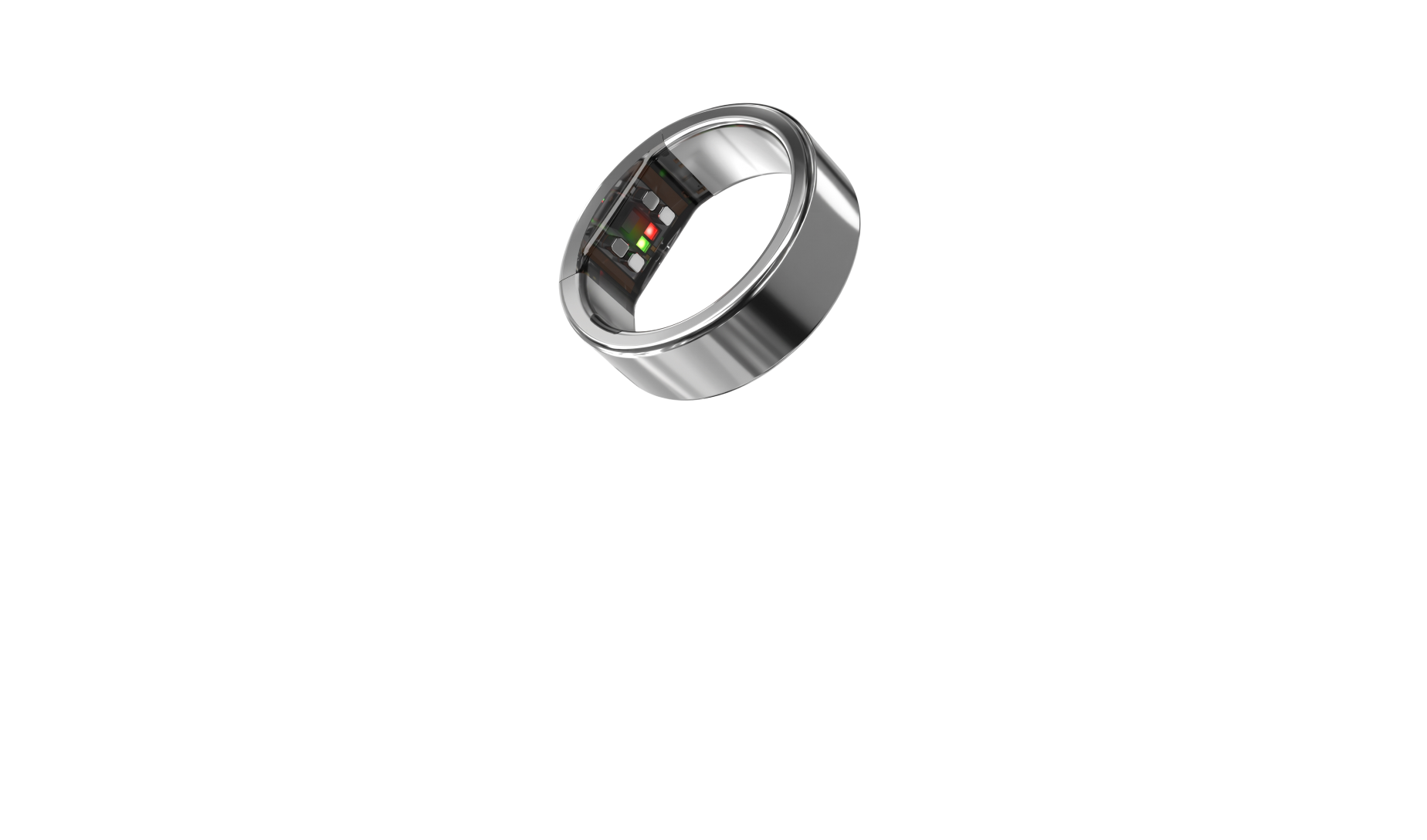
Ultrahuman Ring
Choose the ring built for you.

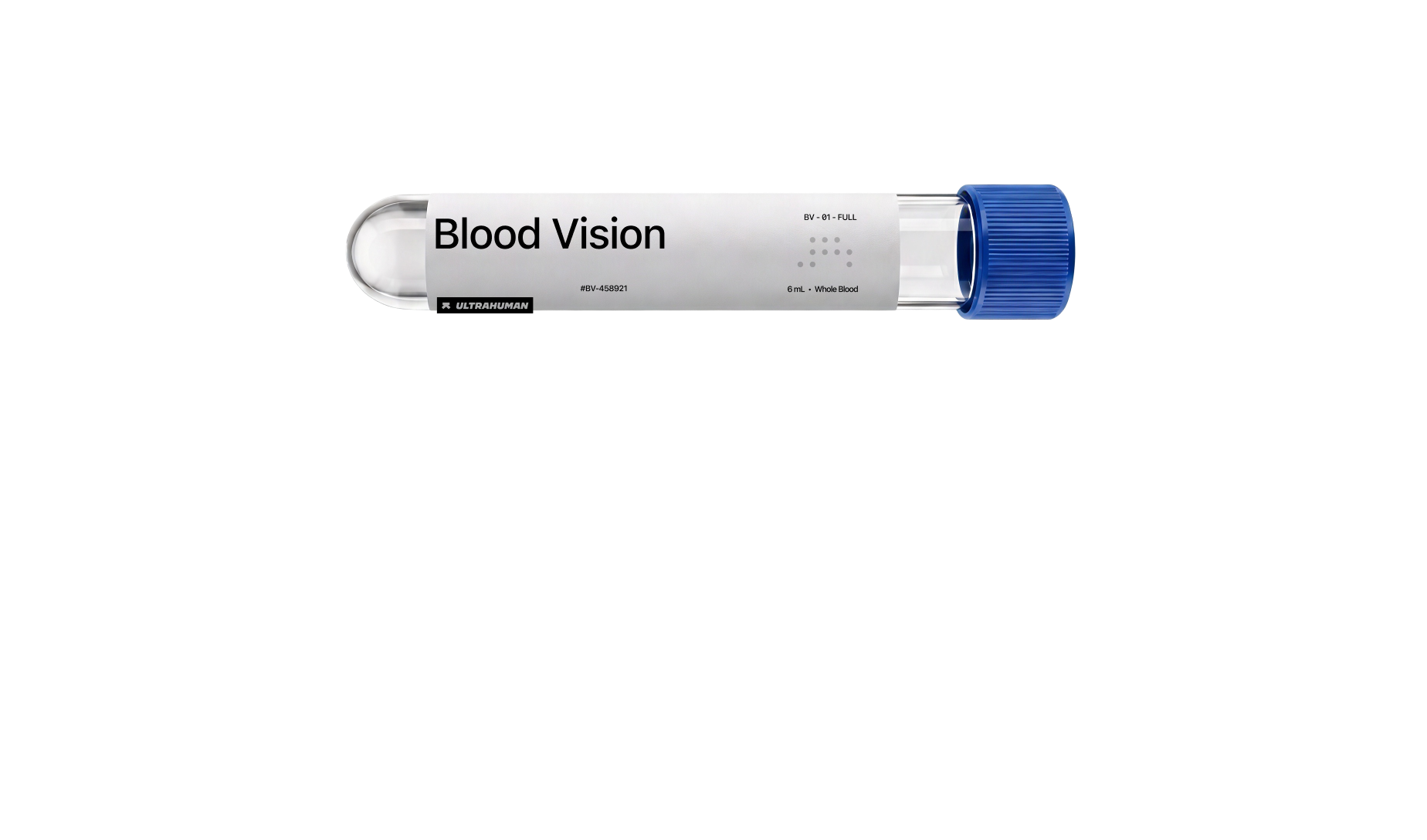
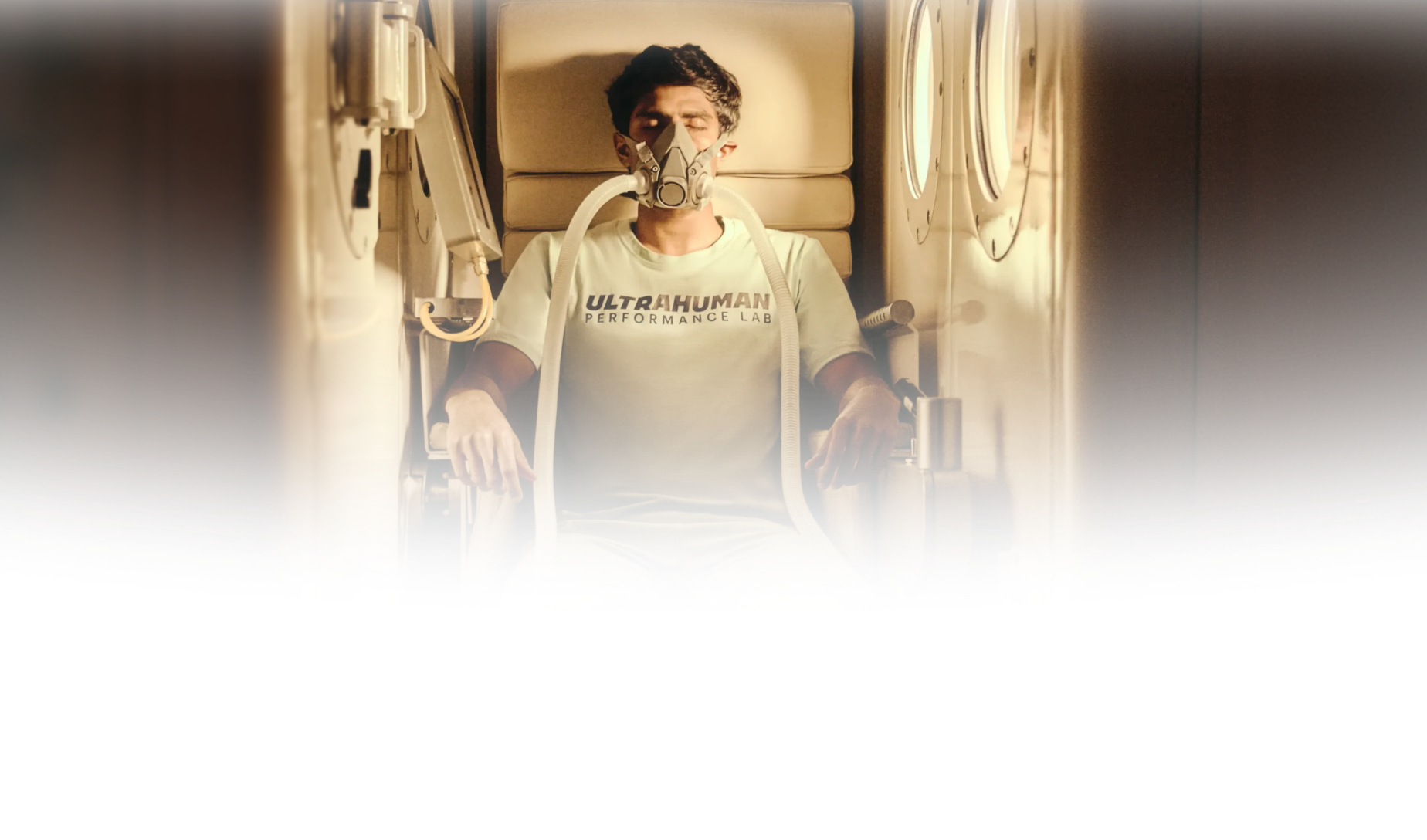
Performance Lab
Train, test and recover at our Bengaluru facility.

Science & Research

Lamb Shish Kabob with Vegetables (1 Shishkabob)
 Dinner
117 mg/dL
avg. peak value
Usually causes a medium spike
Avg. Food Score on Ultrahuman App
67%
Ultrahuman Users got an UNSTABLE response
Other related foods
How to consume Lamb Shish Kabob With Vegetables without glucose spikes
Portion Control
Limit the quantity of lamb shish kebab you consume in one sitting to manage carbohydrate intake effectively.
Balance with Fiber
Include a side of high-fiber foods such as leafy greens, broccoli, or cauliflower. This can help slow down the absorption of glucose.
Include Healthy Fats
Add a small serving of healthy fats like avocado or nuts, which can help in moderating glucose levels.
Opt for Whole Grains
If serving with a side, choose whole-grain options like quinoa or barley to pair with your meal.
Moderate Protein Intake
Ensure that the amount of protein from the lamb is balanced and not excessive, as too much protein can also impact glucose levels.
Hydrate Well
Drink water or herbal teas before and during your meal to aid digestion and metabolism.
Timing of Meals
Eat at regular intervals and avoid long gaps between meals to maintain stable blood sugar levels.
Chew Thoroughly
Eating slowly and chewing thoroughly can help to better manage glucose spikes as it aids in digestion and absorption processes.
Add a Vinegar-Based Dressing
Use vinegar or lemon juice in your salad dressing to potentially help in reducing post-meal glucose levels.
Physical Activity
Engage in light exercise, such as a walk, after your meal to help lower your blood sugar levels naturally.

Discover
metabolic
health with M1
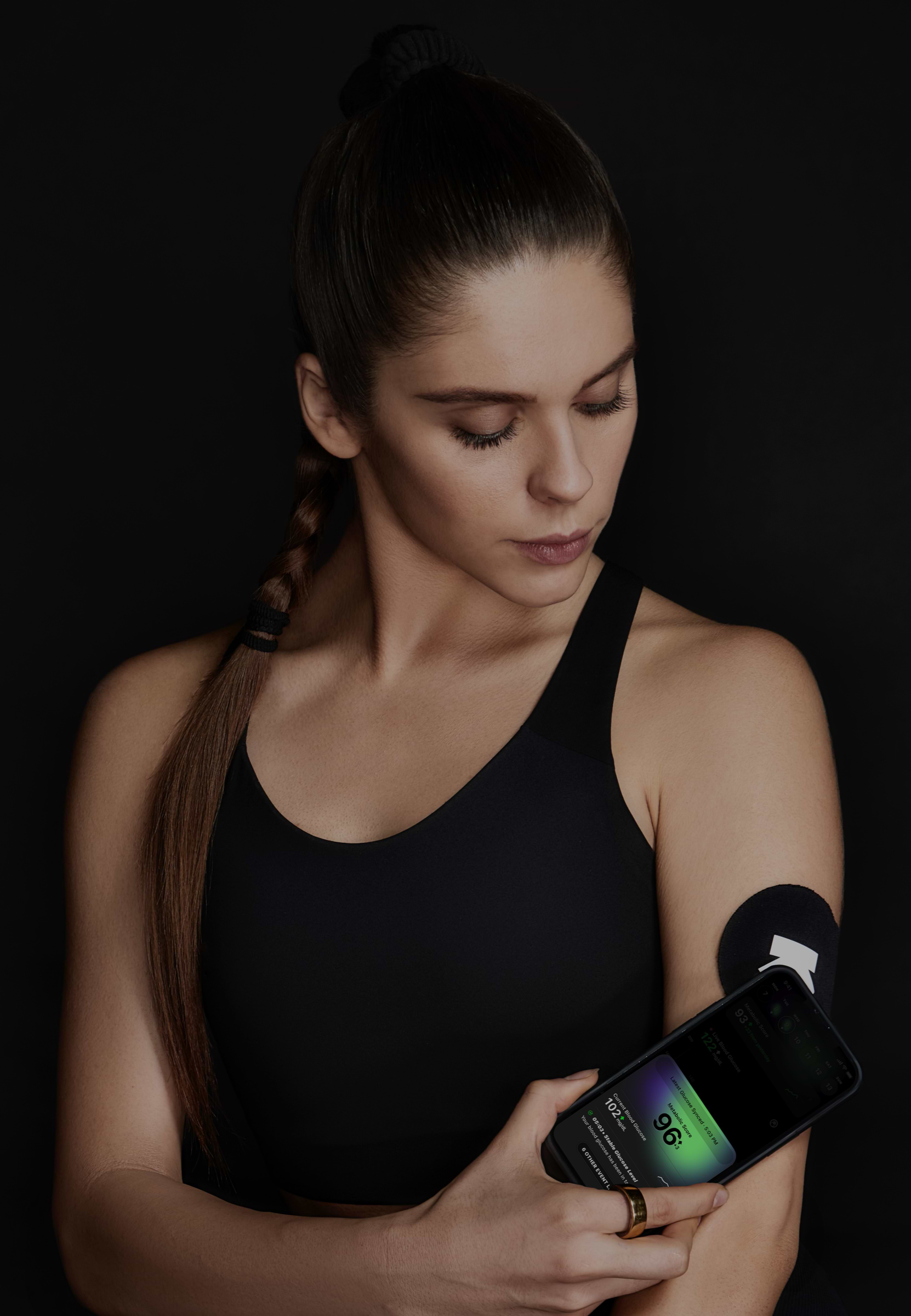
Ultrahuman M1 helps you measure the impact of food and activity on your body in real time through glucose as a biomarker.
Explore Ultrahuman M1Find Glucose response for your favourite foods
Explore OGDbYour cart is empty
Looks like you haven't added anything yet. Explore our products to get started.