
Loading...

Oats (100 G) and Peanut Butter (1 Tablespoon)

food-timeBreakfast

132 mg/dL

avg. peak value

Usually causes a medium spike

5

Avg. Food Score on Ultrahuman App

86%

Ultrahuman Users got an UNSTABLE response

How to consume Oats, Peanut Butter without glucose spikes

Portion Control

Start by reducing the portion size of oats to help manage the glucose response. Consider measuring your servings to maintain consistency.

Choose Whole Oats

Opt for steel-cut or rolled oats instead of instant oats. They are less processed and tend to have a slower impact on blood sugar levels.

Add Protein

Incorporate a source of protein, such as Greek yogurt or a hard-boiled egg, alongside your oats and peanut butter. This can help stabilize blood sugar levels.

Include Healthy Fats

In addition to peanut butter, consider adding a small amount of chia seeds or flaxseeds to your oats. These healthy fats can help slow down digestion.

Add Fiber

Increase the fiber content by adding fruits like berries or an apple. These fruits can help moderate blood sugar spikes.

Cinnamon Sprinkle

Add a dash of cinnamon to your oats. Cinnamon is known to have a beneficial effect on blood sugar levels.

Stay Hydrated

Drink water with your meal to aid digestion and help manage blood sugar levels.

Regular Monitoring

Keep track of your blood sugar levels to see how these changes affect your glucose response and adjust your approach as needed.

Exercise

Engage in light physical activity, like a walk, after meals to help regulate blood sugar levels more effectively.

Timing Matters

Consider having oats and peanut butter as part of a balanced breakfast rather than a late-night snack to give your body more time to process the carbohydrates during the day.

healthspan-mbl

Discover
metabolic
health with M1

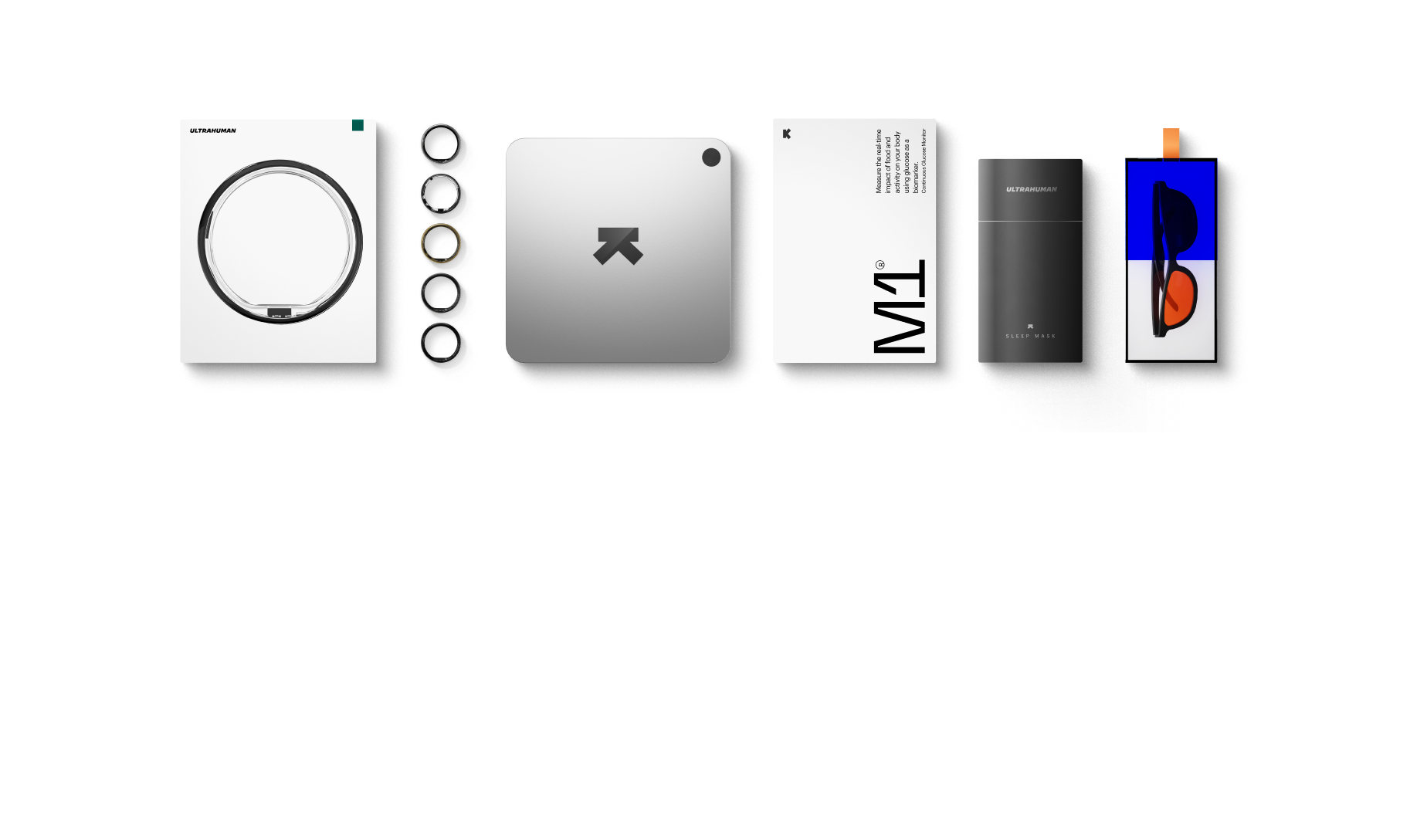
Ultrahuman M1 helps you measure the impact of food and activity on your body in real time through glucose as a biomarker.

Explore Ultrahuman M1

Find Glucose response for your favourite foods

Explore OGDb