

Pumpkin Soup (1 Cup) and White Bread (1 Slice)
 Afternoon Snack
178 mg/dL
avg. peak value
Usually causes a large spike
Avg. Food Score on Ultrahuman App
Ultrahuman Users got an UNSTABLE response
Other related foods
- pumpkin seeds
- pumpkin
- pumpkin soup
- cream of pumpkin soup
- homemade kaddu ki sabzi indian pumpkin vegetable roti
- pumpkin cream cold brew grande
- pumpkin spice latte venti
- english pumpkin seeds
- starbuck s tall 2 pump nonfat no whip pumpkin spice latte 6 oz
- almonds boiled egg chia seeds dry roasted sunflower seed kernels without salt flax seeds milk pistachio nuts pumpkin seeds walnuts whey protein
How to consume pumpkin soup, white bread without glucose spikes
Add Fiber-Rich Vegetables
Incorporate vegetables like spinach or kale into your pumpkin soup to help slow down digestion and stabilize blood sugar levels.
Include Healthy Fats
Add a serving of avocado or a drizzle of olive oil to your meal. Healthy fats can help moderate blood glucose spikes.
Opt for Whole Grain Bread
Substitute white bread with whole grain or multigrain bread, which digests more slowly and can prevent rapid spikes in blood sugar.
Pair with Protein
Include a source of lean protein, such as grilled chicken or tofu, to further slow down carbohydrate absorption.
Portion Control
Reduce the portion size of the pumpkin soup and bread to limit the amount of carbohydrates consumed in one sitting.
Add Legumes
Consider adding a side of lentils or beans, such as chickpeas, which can help maintain a steady blood sugar level.
Drink Water with Your Meal
Drinking water can aid digestion and help regulate blood sugar, so ensure you stay hydrated during your meal.
Incorporate Nuts or Seeds
Add a small handful of nuts, like almonds or walnuts, or sprinkle seeds, such as chia or flaxseeds, on your soup to provide additional fiber and healthy fats.
Practice Mindful Eating
Eat slowly and savor each bite, which can improve digestion and help prevent overeating, thereby avoiding large fluctuations in blood sugar.
Opt for a Smaller Plate
Using a smaller plate can help with portion control, reducing the likelihood of consuming excessive carbohydrates at once.
Discover
metabolic
health with M1
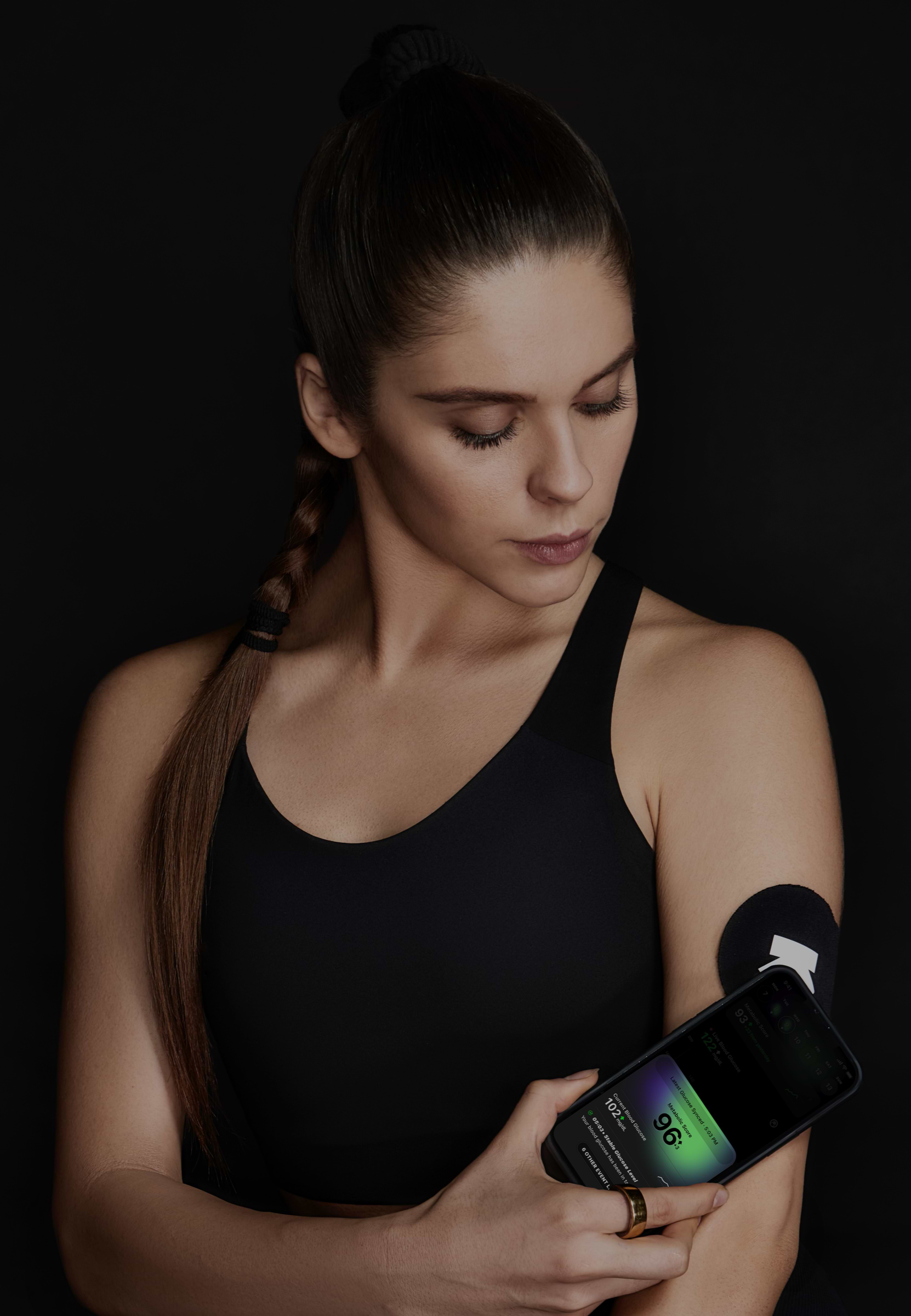
Ultrahuman M1 helps you measure the impact of food and activity on your body in real time through glucose as a biomarker.
Explore Ultrahuman M1Find Glucose response for your favourite foods
Explore OGDbYour cart is empty
Looks like you haven't added anything yet. Explore our products to get started.