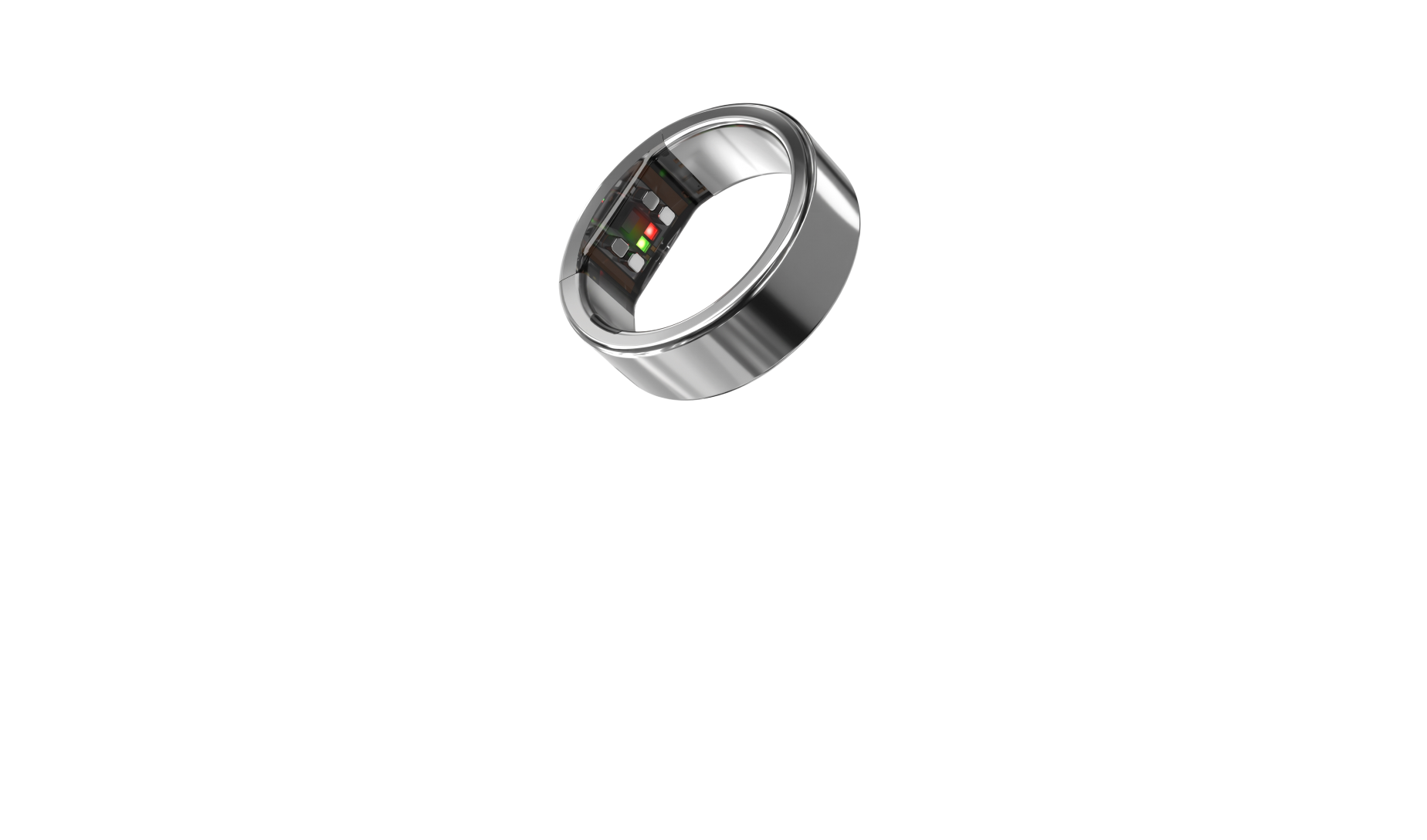
Ring PROEngineered to add more intelligence and more power for your every adventure.

Choose the ring built for you.
Train, test and recover at our Bengaluru facility.

 Lunch
Lunch
avg. peak value
Usually causes a medium spike
Avg. Food Score on Ultrahuman App
Ultrahuman Users got an UNSTABLE response
Other related foods
Asian cuisine often includes rice and noodles, which can contribute to glucose spikes. Opt for smaller portions to maintain better control over your blood sugar.
Swap white rice and regular noodles with brown rice or whole-grain noodles. These options are digested more slowly, helping to prevent a rapid increase in glucose levels.
Fill half of your plate with non-starchy vegetables such as broccoli, bok choy, and bell peppers. These are low in carbohydrates and can help to balance your meal.
Include lean protein sources like tofu, chicken breast, or fish. Proteins can slow the absorption of carbohydrates, leading to a more gradual rise in blood sugar.
Prefer steaming, grilling, or stir-frying with minimal oil over deep-frying. This reduces the calorie content and helps maintain stable glucose levels.
Be cautious with sauces, as they can contain hidden sugars. Choose options like soy sauce or make your own low-sugar sauces to dress your dishes.
Add beans or lentils to your meals. They provide fiber and protein, both of which can help manage blood sugar levels effectively.
Avoid sugary drinks that often accompany meals. Water or herbal teas are better choices that won’t contribute to glucose spikes.
Take your time to enjoy your meal. Eating slowly can improve digestion and help your body respond better to the carbohydrates consumed.
Keep track of how different foods affect your glucose levels. This can help you make better choices in the future and avoid specific dishes that cause spikes.
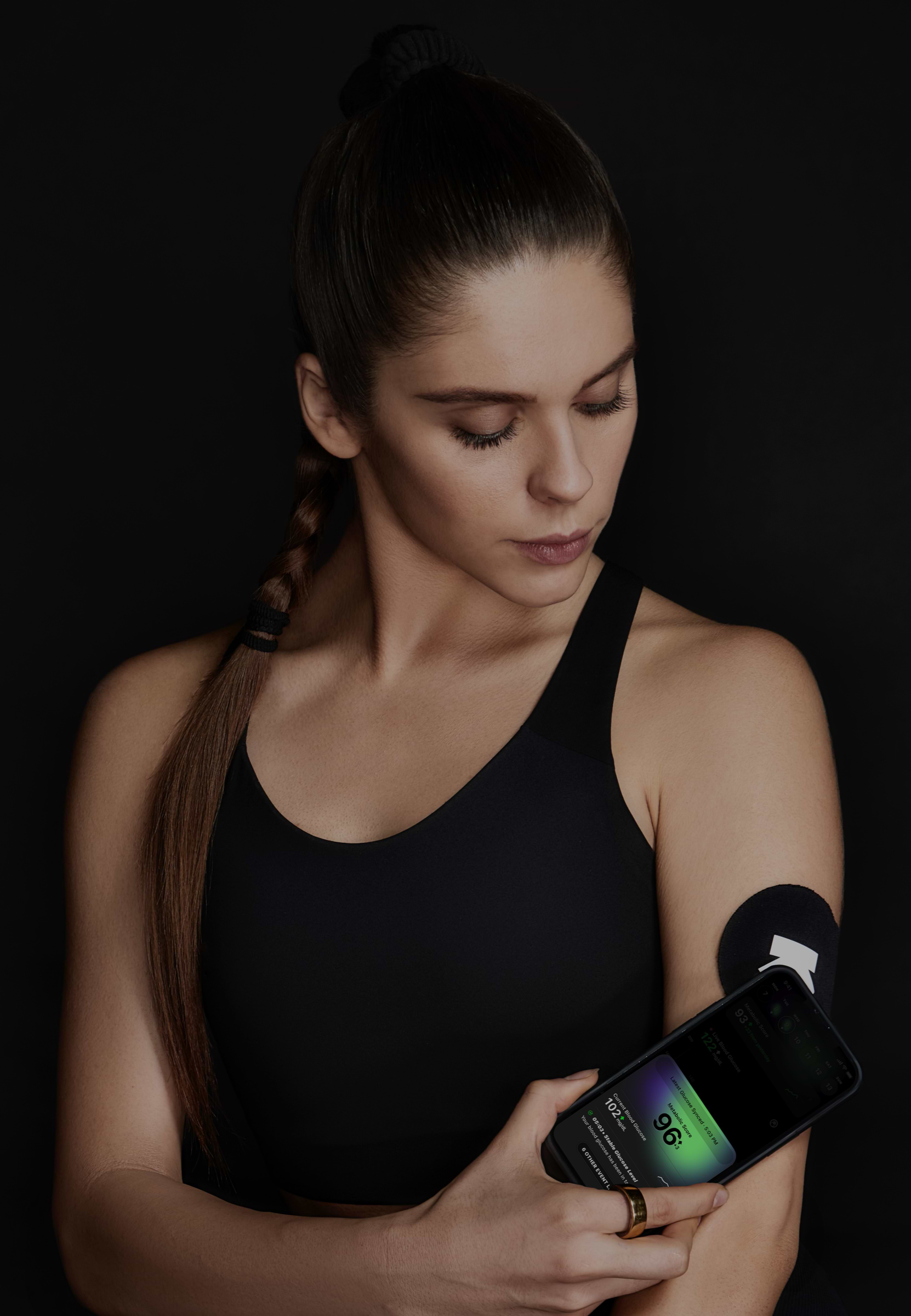
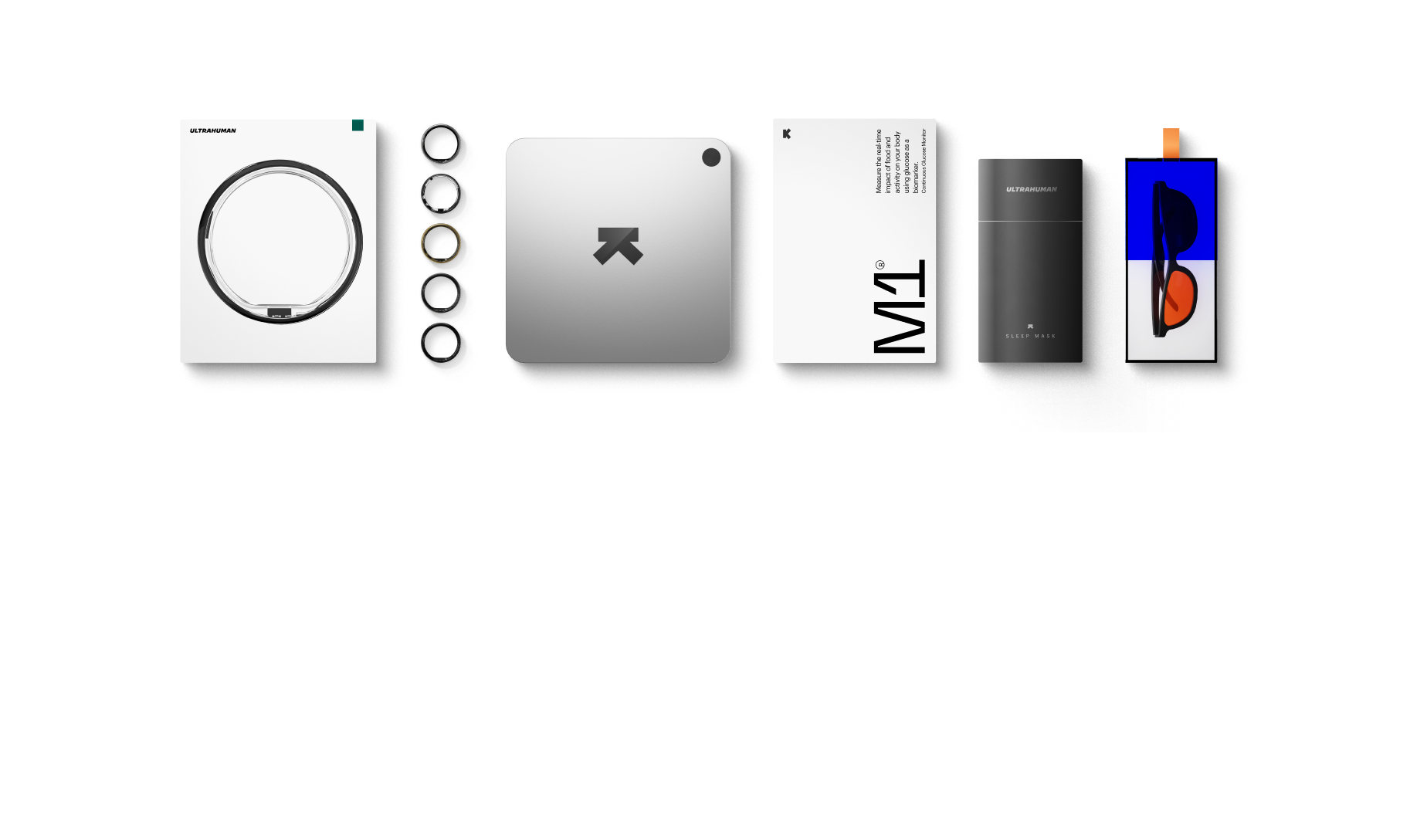
Ultrahuman M1 helps you measure the impact of food and activity on your body in real time through glucose as a biomarker.
Explore Ultrahuman M1Find Glucose response for your favourite foods
Explore OGDbLooks like you haven't added anything yet. Explore our products to get started.