

Performance Lab
Train, test and recover at our Bengaluru facility.


Science & Research

Beef Tenderloin (Trimmed to 1/2 Inches Fat, Prime Grade) (1 Steak)
 Lunch
95 mg/dL
avg. peak value
Usually has a stable response
Avg. Food Score on Ultrahuman App
100%
Ultrahuman Users got a STABLE response
How to consume beef tenderloin (trimmed to 1/2" fat, prime grade) without glucose spikes
Choose a leaner cut or trim all visible exterior and seam fat; prime tenderloin can produce a delayed rise from its higher fat content even without carbohydrate.
Reduce the portion size and test a smaller serving first, such as 3–4 oz cooked, especially if your rise occurs several hours after the meal.
Avoid sweet marinades, glazes, barbecue sauce, ketchup, honey, or sugary rubs; season with salt, pepper, herbs, garlic, vinegar, lemon, or mustard instead.
Pair the steak with high-fiber non-starchy vegetables such as broccoli, asparagus, spinach, zucchini, cauliflower, mushrooms, or a leafy salad, rather than bread, potatoes, rice, or sweet sides.
Take a gentle 10–20 minute walk after eating, if safe for you; this can reduce the size and duration of a post-meal rise.
Use your glucose data to compare preparation methods and timing: grilled or roasted steak with minimal added butter/oil may behave differently than steak cooked with extra fat, and delayed rises can warrant checking for several hours after the meal.
Powered by ChatGPT. ChatGPT's information is based on machine learning and may not be entirely accurate or reliable. Consult a healthcare professional before changing your lifestyle, diet or treatment. We don't endorse any specific foods, products and assume no liability for any loss or damage caused by relying on ChatGPT.

Discover
metabolic
health with M2
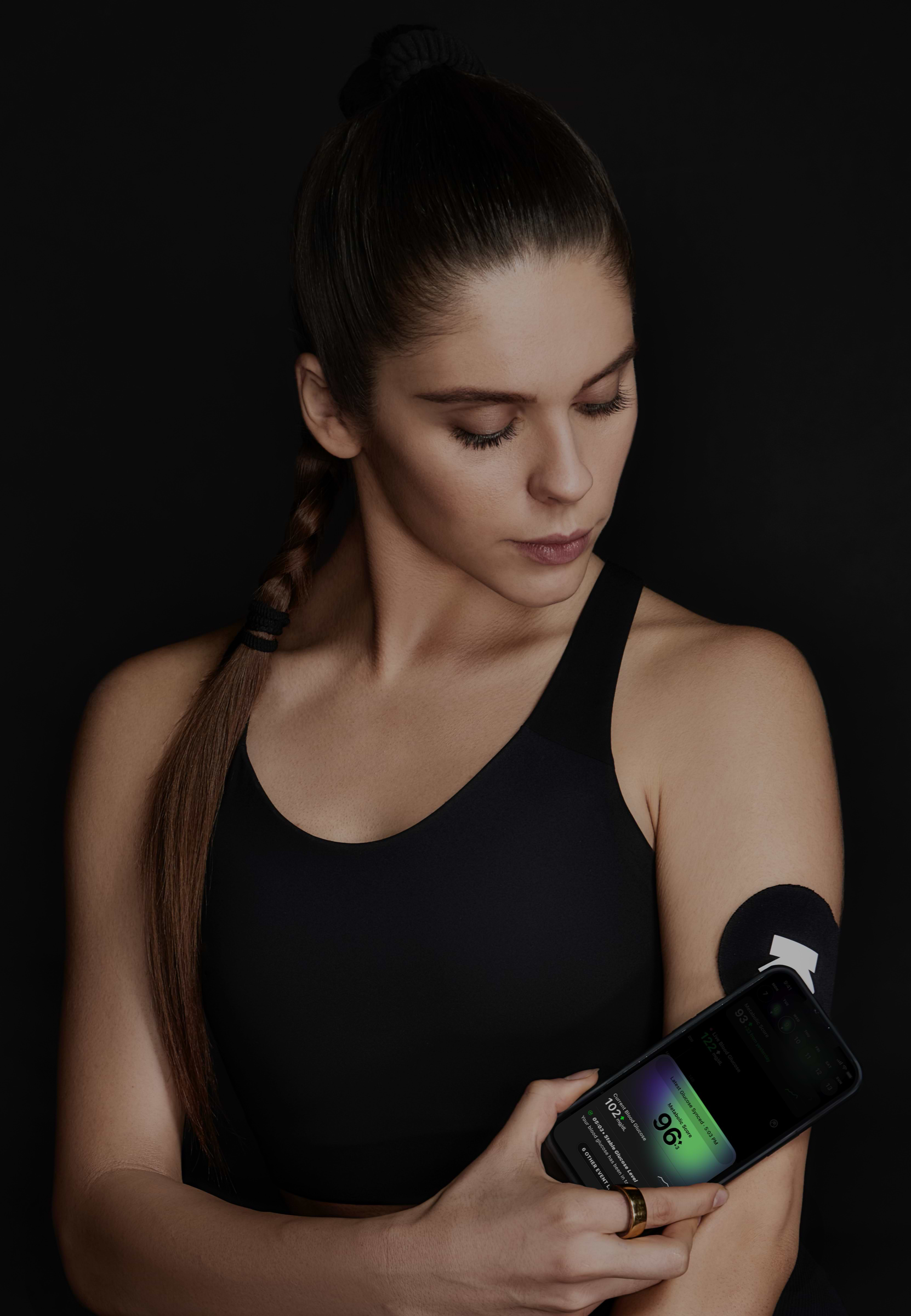
Ultrahuman M2 helps you measure the impact of food and activity on your body in real time through glucose as a biomarker.
Explore Ultrahuman M2Find Glucose response for your favourite foods
Explore OGDbYour cart is empty
Looks like you haven't added anything yet. Explore our products to get started.