

Black Tea (1 Mug (8 Fl Oz)) and Egg Omelet (1 Large)
 Breakfast
192 mg/dL
avg. peak value
Usually causes a small spike
Avg. Food Score on Ultrahuman App
Ultrahuman Users got a STABLE response
How to consume black tea, egg omelet without glucose spikes
Incorporate Fiber-Rich Vegetables
Add vegetables like spinach, bell peppers, or broccoli to your omelet. These can help slow down the absorption of carbohydrates and stabilize blood sugar levels.
Opt for Whole-Grain Bread
If you enjoy having bread with your omelet, choose whole-grain or multigrain options. These have a slower effect on blood sugar compared to refined grains.
Add Healthy Fats
Include a source of healthy fats, such as avocado slices or a sprinkle of nuts like almonds or walnuts, to your meal. This can help moderate blood sugar spikes.
Hydrate with Water
Drink water alongside your meal instead of sugary drinks or beverages that can increase blood sugar levels.
Try Herbal Teas
Consider replacing black tea with herbal teas, which may have less impact on blood sugar levels.
Monitor Portion Sizes
Keep an eye on the portion sizes of your meal to prevent overconsumption, which can lead to higher blood sugar spikes.
Include a Protein Source
Pair your omelet with a protein-rich food like Greek yogurt or cottage cheese. Protein can help balance blood sugar levels.
Add a Side of Berries
If you're looking for something sweet, have a small serving of berries, such as strawberries or blueberries, which can complement your meal without causing a significant increase in blood sugar.
Cook with Olive Oil
Use olive oil for cooking your omelet instead of butter or margarine to provide healthy fats and improve your meal's overall effect on blood sugar.
Mind Your Tea Consumption
If you're particularly sensitive to caffeine or certain compounds in black tea, consider reducing your intake or brewing it weaker to see if that helps manage your blood sugar levels.
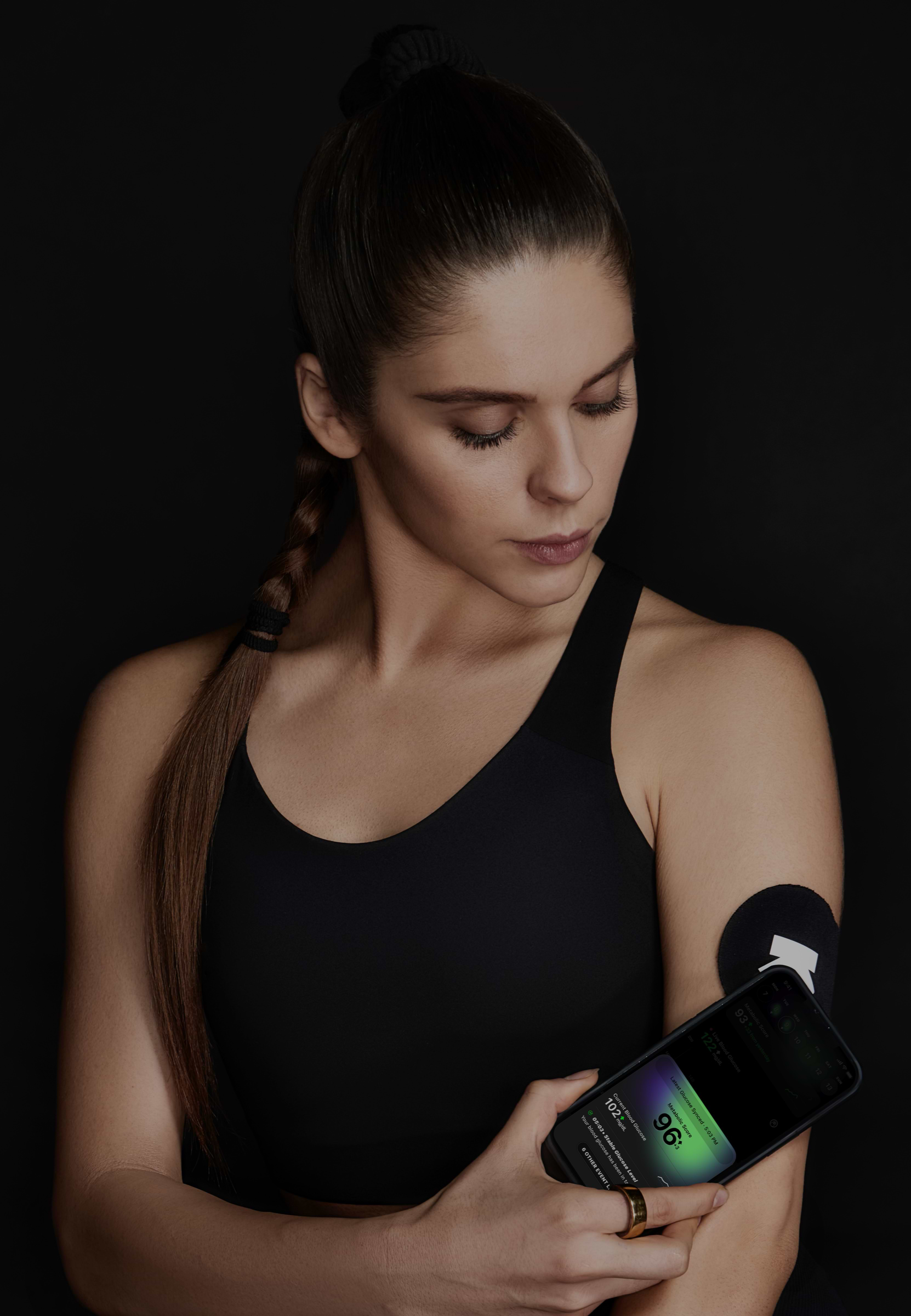
Discover
metabolic
health with M1
Ultrahuman M1 helps you measure the impact of food and activity on your body in real time through glucose as a biomarker.
Explore Ultrahuman M1Find Glucose response for your favourite foods
Explore OGDbYour cart is empty
Browse through our products and find something for you.