


Dosa (1 Piece) and Chapati (1 Piece)
 Dinner
164 mg/dL
avg. peak value
Usually causes a large spike
Avg. Food Score on Ultrahuman App
100%
Ultrahuman Users got an UNSTABLE response
How to consume chapati, dosa without glucose spikes
Portion Control
Start by reducing the portion size of chapati or dosa you consume. Smaller portions can lead to a reduced glucose response.
Increase Fiber Intake
Add more fiber-rich foods to your meal, such as vegetables or a small salad. This can help slow down the absorption of carbohydrates, leading to a more stable blood sugar response.
Protein Pairing
Incorporate a source of protein, like lentils, cottage cheese, or yogurt, with chapati or dosa. Protein can help moderate blood sugar spikes.
Healthy Fats Addition
Include healthy fats like avocado, nuts, or seeds in your meal. Fats can help slow down digestion and absorption of carbohydrates.
Whole Grain Alternatives
If possible, opt for whole grain or multigrain versions of chapati, as they may have a slower impact on blood sugar levels compared to refined flour versions.
Regular Meal Timing
Maintain a consistent meal schedule to help manage blood sugar levels more effectively throughout the day.
Incorporate Legumes
Include legumes like chickpeas or lentils in your meal. They can help stabilize blood sugar levels when combined with chapati or dosa.
Hydration
Ensure proper hydration by drinking water before and during your meal, which can aid digestion and help manage blood sugar levels.
Spices Addition
Use spices such as cinnamon or fenugreek in your cooking. These can have beneficial effects on blood sugar management.
Physical Activity
Engage in light physical activity, such as a brisk walk, after meals to help use up glucose and improve insulin sensitivity.
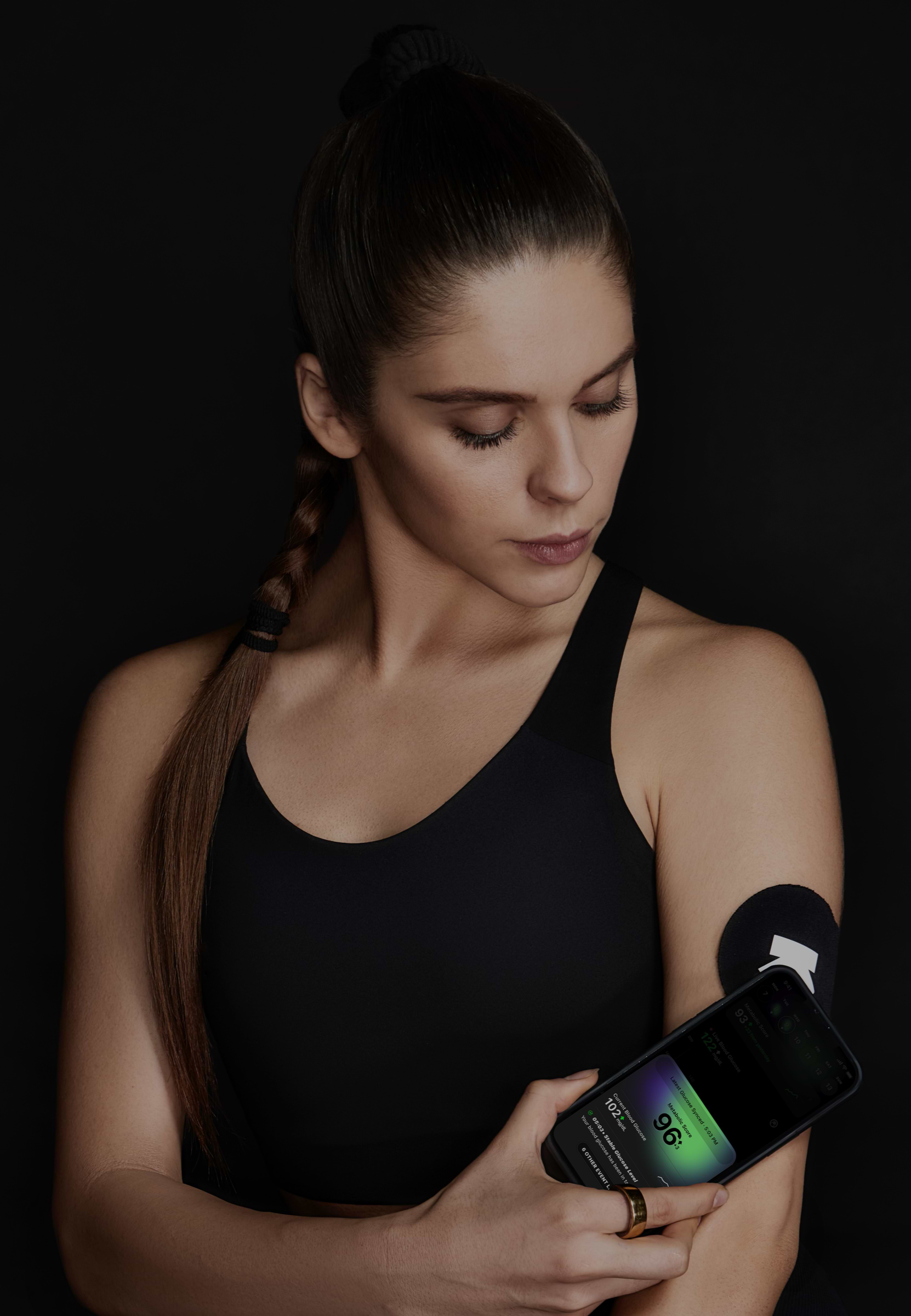
Discover
metabolic
health with M1
Ultrahuman M1 helps you measure the impact of food and activity on your body in real time through glucose as a biomarker.
Explore Ultrahuman M1Find Glucose response for your favourite foods
Explore OGDb