

Ghiya (Hommade) (1 Serving) and Chapati (1 Piece)
 Dinner
170 mg/dL
avg. peak value
Usually causes a medium spike
Avg. Food Score on Ultrahuman App
Ultrahuman Users got an UNSTABLE response
How to consume Chapati, Ghiya without glucose spikes
Portion Control
Start by eating smaller portions of chapati and ghiya. Monitor how your body responds to these changes and adjust accordingly.
Increase Fiber Intake
Pair chapati and ghiya with high-fiber foods such as lentils or beans. This can help slow down the absorption of glucose.
Healthy Fats Addition
Include a small serving of healthy fats like avocado, nuts, or olive oil. This can help slow down digestion and prevent spikes.
Protein Pairing
Incorporate protein sources such as grilled chicken, tofu, or paneer with your meal to help maintain stable blood sugar levels.
Stay Hydrated
Drink plenty of water throughout the day to support overall metabolic health.
Timed Meals
Avoid eating chapati and ghiya on an empty stomach or as your first meal of the day. Consume them as part of a balanced meal that includes protein and fat.
Consider Meal Frequency
Instead of having large meals, opt for smaller, more frequent meals to help maintain stable glucose levels.
Exercise Regularly
Engage in physical activity after meals, such as a light walk, to help manage blood sugar levels.
Monitor and Adjust
Keep track of your glucose levels after meals and make adjustments based on how your body responds to different combinations.
Cooking Methods
Avoid frying chapati or ghiya; instead, opt for steaming or boiling, which can reduce the impact on your glucose levels.
Discover
metabolic
health with M1
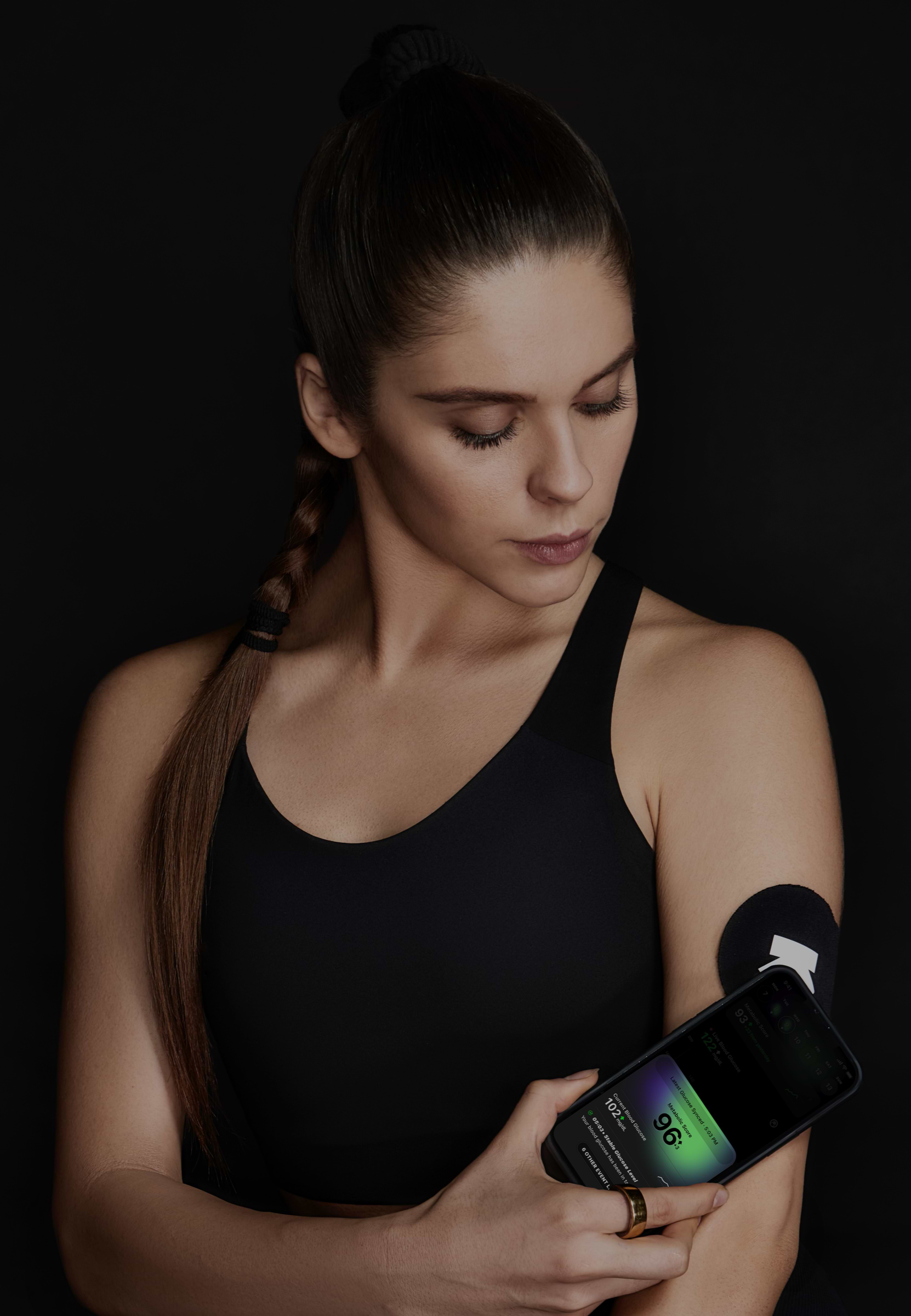
Ultrahuman M1 helps you measure the impact of food and activity on your body in real time through glucose as a biomarker.
Explore Ultrahuman M1Find Glucose response for your favourite foods
Explore OGDbYour cart is empty
Looks like you haven't added anything yet. Explore our products to get started.