

Sliced Ham (Regular, Approx. 11% Fat) (100 G) and Cheese (100 G)
 Midnight Snack
99 mg/dL
avg. peak value
Usually has a stable response
Avg. Food Score on Ultrahuman App
Ultrahuman Users got a STABLE response
How to consume cheese, sliced ham (regular, approx. 11% fat) without glucose spikes
Pair with Fiber-Rich Foods
Include foods high in fiber like vegetables (e.g., broccoli, spinach, or bell peppers) to slow down digestion and help stabilize glucose levels.
Add Healthy Fats
Incorporate sources of healthy fats such as avocados, nuts, or seeds to create a more balanced meal, which can help moderate blood sugar spikes.
Incorporate Whole Grains
Opt for whole grain options like barley or quinoa as part of your meal to provide a slow and steady release of energy.
Increase Protein Intake
Complement your meal with lean protein sources like grilled chicken or tofu, which can help in reducing the impact on blood sugar levels.
Stay Hydrated
Drink plenty of water before and after eating to aid digestion and assist in maintaining stable blood sugar levels.
Eat Smaller Portions
Reduce the portion sizes of cheese and ham to limit the potential impact on blood sugar levels.
Include Vinegar
Add a splash of vinegar or lemon juice to your meal, which may help improve insulin sensitivity and lower blood sugar spikes.
Opt for Low-Fat Versions
Choose low-fat or reduced-fat versions of cheese and ham to reduce overall fat intake, which may positively influence blood glucose control.
Mindful Eating
Slow down your eating pace to enhance digestion and absorption, which can help in moderating glucose responses.
Monitor Meal Timing
Spread out your intake by eating smaller, more frequent meals throughout the day to avoid overwhelming your body's ability to manage blood sugar levels.
Discover
metabolic
health with M1
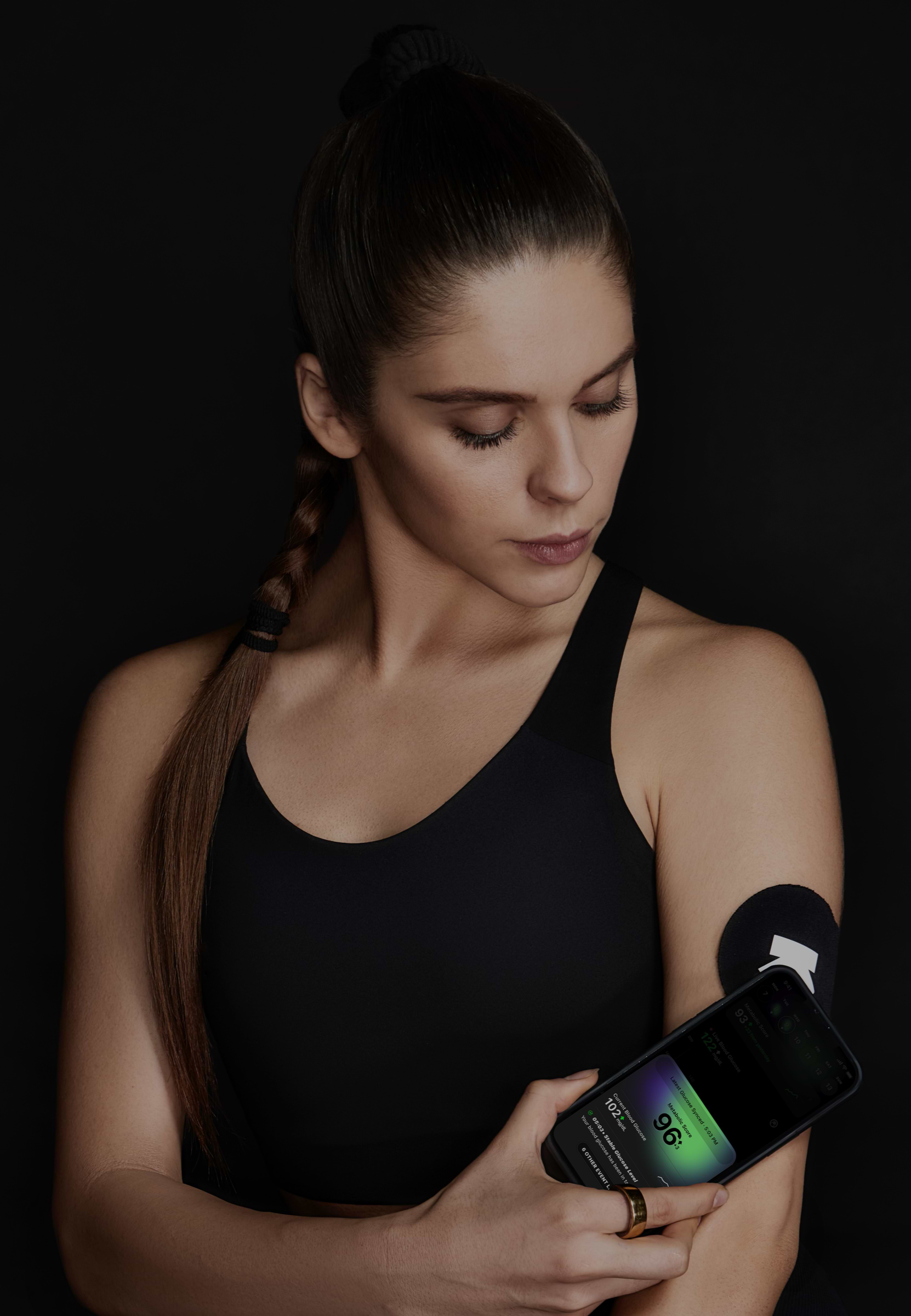
Ultrahuman M1 helps you measure the impact of food and activity on your body in real time through glucose as a biomarker.
Explore Ultrahuman M1Find Glucose response for your favourite foods
Explore OGDbYour cart is empty
Looks like you haven't added anything yet. Explore our products to get started.