



White Rice (1 Cup, Cooked), Dal Yellow (Hommade) (1 Serving) and English Indian Eggplant (100 G)
 Lunch
Lunch
134 mg/dL
avg. peak value
Usually causes a medium spike
Avg. Food Score on Ultrahuman App
67%
Ultrahuman Users got an UNSTABLE response
How to consume dal yellow, english indian eggplant, white rice without glucose spikes
Incorporate More Fiber
Add a variety of non-starchy vegetables, like broccoli or spinach, to your meal. These can help slow down the absorption of glucose.
Use Whole Grains
Substitute white rice with brown rice or quinoa. These options have a slower impact on blood sugar levels.
Include Healthy Fats
Add a source of healthy fat such as avocado or a handful of nuts to your meal. This can help slow down digestion and the release of glucose into the bloodstream.
Add Protein
Consider adding a lean protein source like grilled chicken or tofu to balance your meal and reduce spikes.
Portion Control
Carefully measure portions of high-carb foods, such as rice and dal, to help manage their impact on your blood sugar.
Pre-Meal Hydration
Drink a glass of water before your meal. Staying hydrated can help with the overall digestion process.
Mix Different Types of Lentils
Instead of only using yellow dal, combine it with other types of lentils that have a slower absorption rate.
Cook Vegetables Al Dente
Prepare your eggplant and other vegetables so they are slightly firm, which helps retain more fiber and reduces the speed of digestion.
Add Vinegar or Lemon Juice
Incorporating a small amount of vinegar or lemon juice can moderate blood sugar levels after meals.
Mindful Eating
Eat slowly and chew your food thoroughly to enhance digestion and help prevent spikes.

Discover
metabolic
health with M1
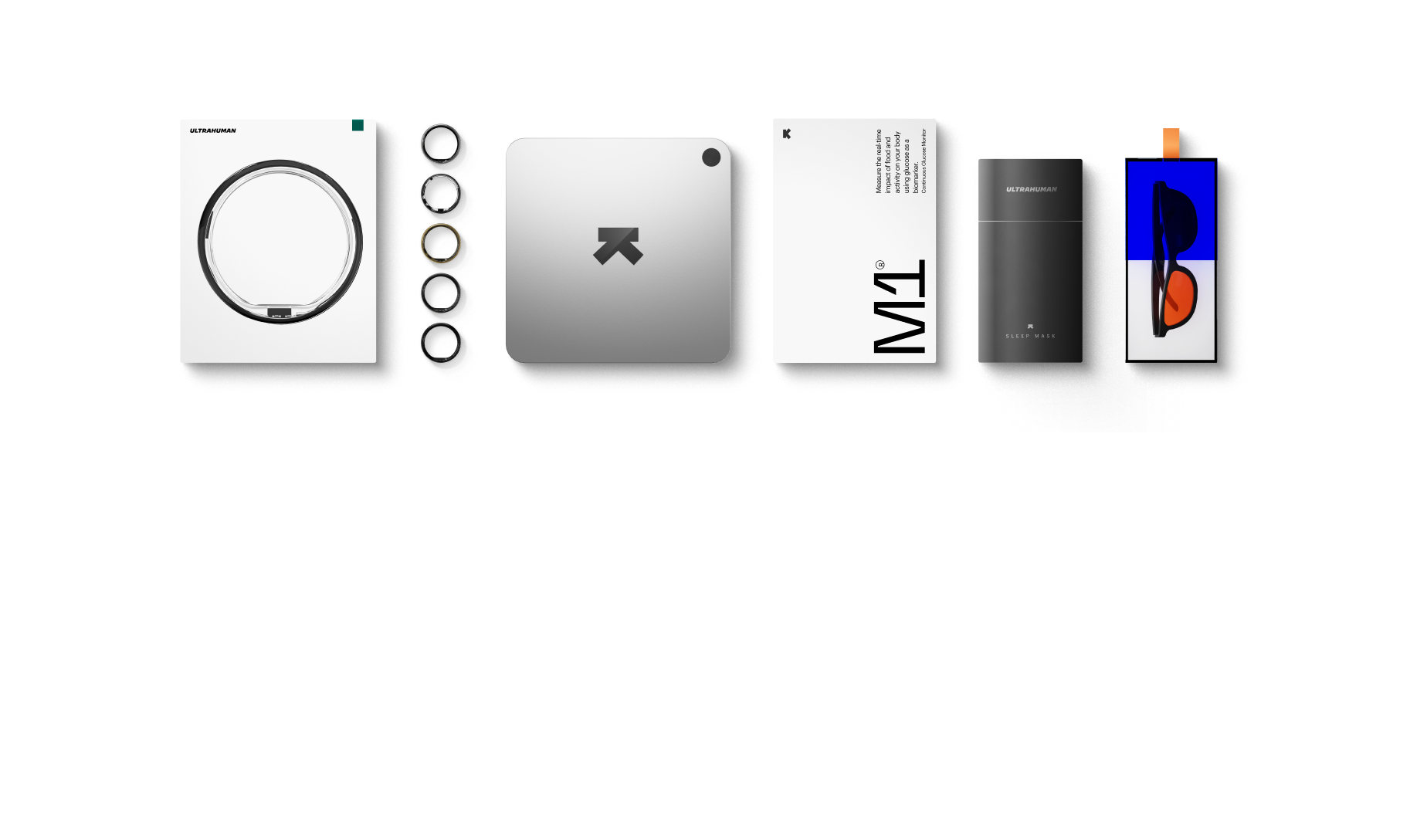
Ultrahuman M1 helps you measure the impact of food and activity on your body in real time through glucose as a biomarker.
Explore Ultrahuman M1Find Glucose response for your favourite foods
Explore OGDb