

Dal Yellow (Hommade) (1 Serving) and English Indian Paneer Bhurji (1 Cup)
 Lunch
Lunch
127 mg/dL
avg. peak value
Usually causes a medium spike
Avg. Food Score on Ultrahuman App
Ultrahuman Users got a STABLE response
How to consume dal yellow, english indian paneer bhurji without glucose spikes
Portion Control
Reduce the portion size of dal and paneer bhurji you consume. Smaller portions can lead to a smaller glucose response.
Fiber Addition
Incorporate high-fiber foods like leafy greens, broccoli, or carrots into your meal. Fiber slows digestion and absorption, helping to manage blood sugar spikes.
Balanced Meal
Add a source of healthy fats, such as avocado or a sprinkle of nuts and seeds, to your meal. Fats can help slow down the digestion process.
Protein Pairing
Include an additional lean protein source, like grilled chicken or fish, to balance the meal. Protein can help stabilize blood sugar levels.
Whole Grains
If you are consuming rice or bread with your meal, opt for whole-grain versions like brown rice or whole-grain bread, which digest more slowly than refined grains.
Timing
Eat smaller, more frequent meals throughout the day rather than large meals to prevent spikes.
Hydration
Ensure adequate water intake before and during your meal, as proper hydration aids in digestion and metabolism.
Meal Order
Consider eating vegetables and proteins first before carbohydrates to help moderate blood sugar levels.
Physical Activity
Engage in light physical activity like a brisk walk after your meal to help your body utilize the glucose more effectively.
Mindful Eating
Eat slowly and mindfully, fully chewing each bite. This can aid digestion and help you recognize when you’re full, preventing overeating.
Discover
metabolic
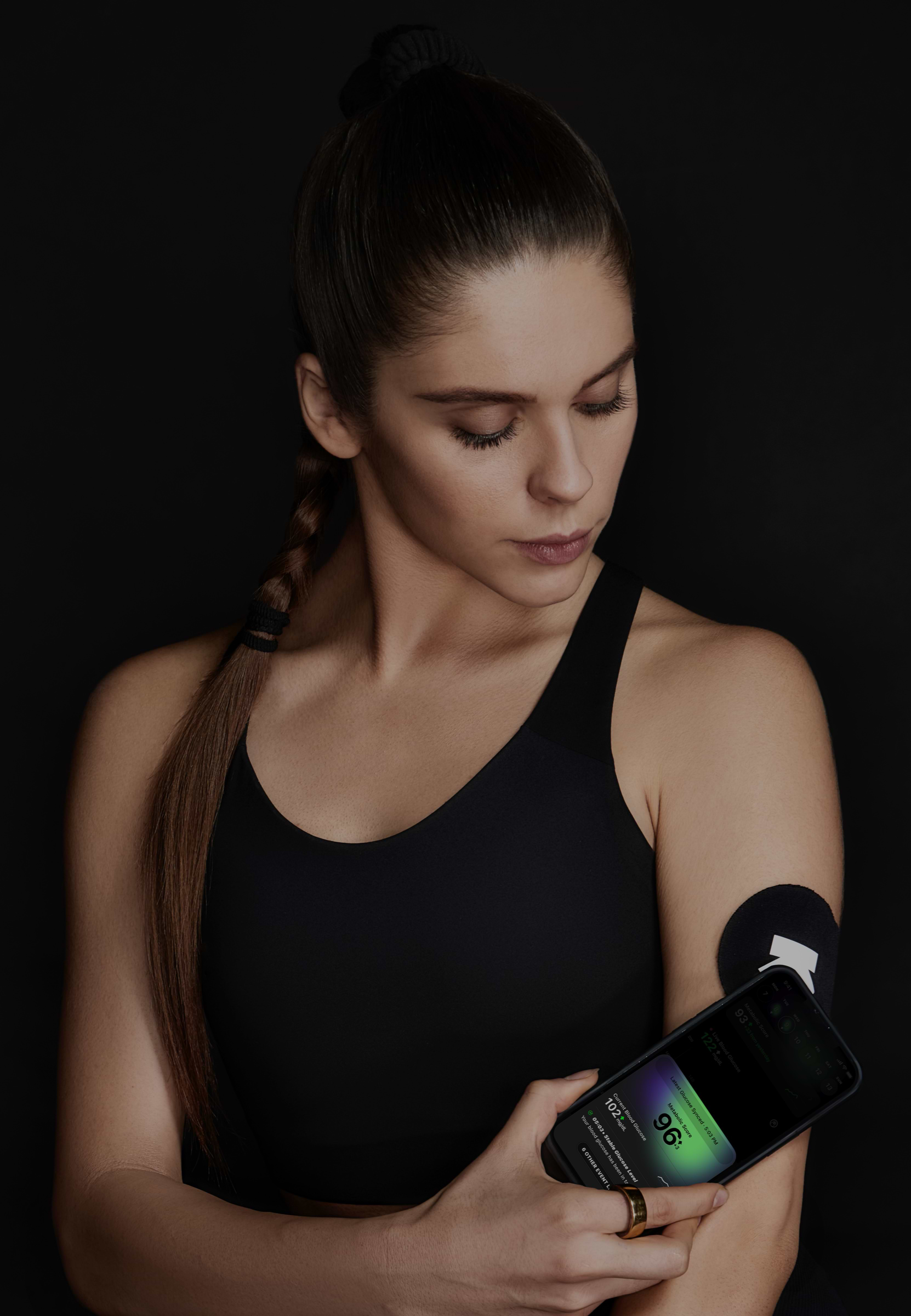
health with M1
Ultrahuman M1 helps you measure the impact of food and activity on your body in real time through glucose as a biomarker.
Explore Ultrahuman M1Find Glucose response for your favourite foods
Explore OGDbYour cart is empty
Browse through our products and find something for you.