
Loading...

Hotel buffet - Lunch (1 grams)

food-timeLunch

137 mg/dL

avg. peak value

Usually causes a medium spike

5

Avg. Food Score on Ultrahuman App

80%

Ultrahuman Users got an UNSTABLE response

How to consume Hotel buffet - Lunch without glucose spikes

Portion Control

Start by taking smaller portions of high-carbohydrate foods. This will help in managing the overall impact on your blood sugar levels.

Choose Whole Grains

Opt for whole grain bread, brown rice, or quinoa instead of white bread, white rice, or pasta. These options release glucose more slowly into your bloodstream.

Load Up on Vegetables

Fill your plate with non-starchy vegetables like broccoli, spinach, and bell peppers. These are low in carbohydrates and high in fiber, which can help stabilize blood sugar levels.

Include Healthy Proteins

Add lean proteins such as grilled chicken, turkey, fish, or legumes. Protein can help slow down the absorption of carbohydrates.

Incorporate Healthy Fats

Choose healthy fats like avocado, nuts, and olive oil. These can help keep you full and reduce the speed at which your body processes carbohydrates.

Stay Hydrated

Drink plenty of water throughout your meal. Staying hydrated can help with digestion and prevent overeating.

Mindful Eating

Eat slowly and mindfully, paying attention to hunger and fullness cues. This can help prevent overeating.

Avoid Sugary Beverages

Opt for water, unsweetened tea, or coffee instead of sodas or fruit juices, which can cause rapid spikes in blood sugar.

Opt for Low-Sugar Desserts

If you have a sweet tooth, choose desserts like plain yogurt with berries or a small piece of dark chocolate.

Walk After Eating

A short walk after your meal can help reduce blood sugar levels by promoting the uptake of glucose by your muscles.

healthspan-mbl

Discover
metabolic
health with M1

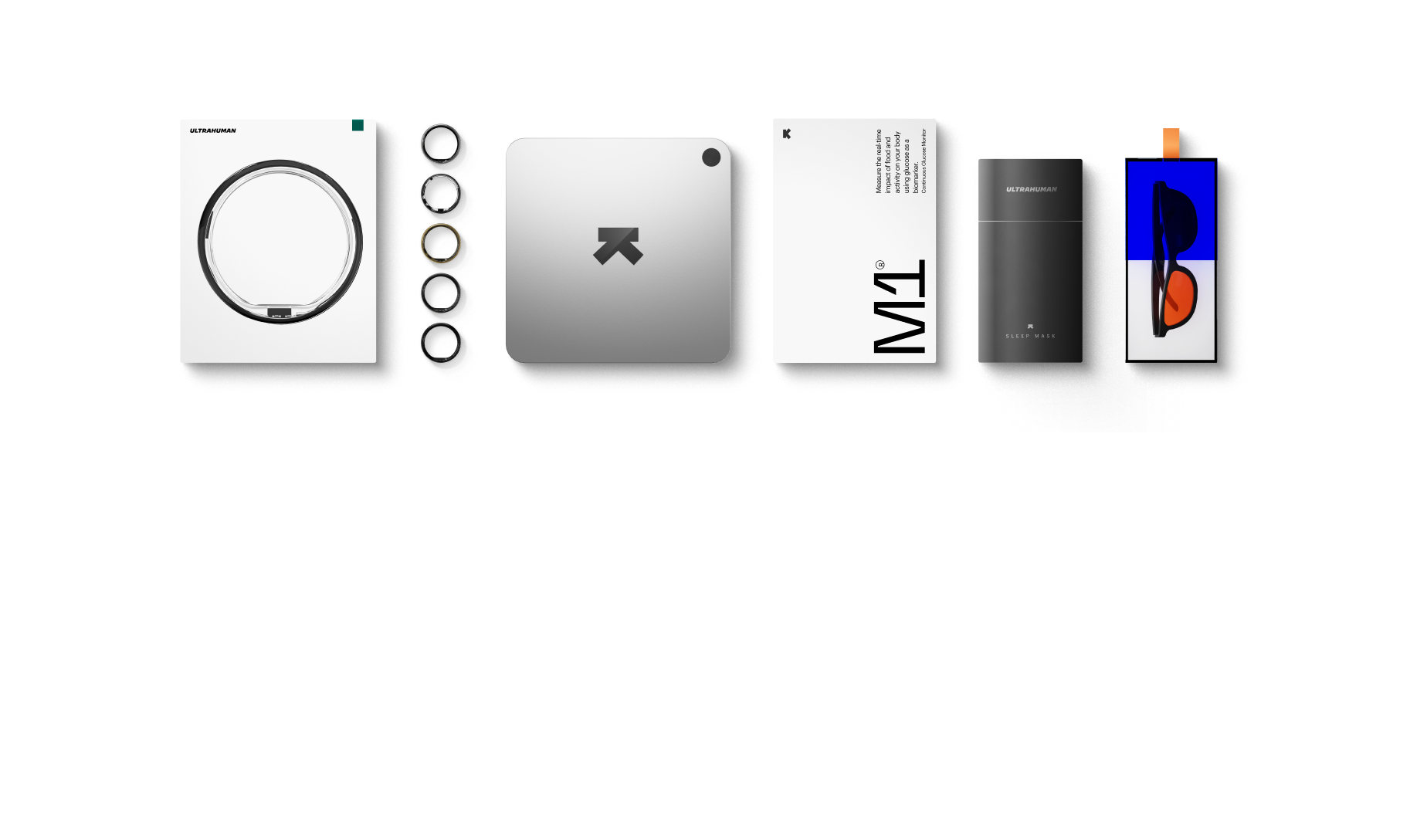
Ultrahuman M1 helps you measure the impact of food and activity on your body in real time through glucose as a biomarker.

Explore Ultrahuman M1

Find Glucose response for your favourite foods

Explore OGDb