
Loading...

Mandi (1 piece)

food-timeLunch

147 mg/dL

avg. peak value

Usually causes a medium spike

3

Avg. Food Score on Ultrahuman App

80%

Ultrahuman Users got an UNSTABLE response

Other related foods

How to consume Mandi without glucose spikes

Portion Control

Reduce the portion size of Mandi you consume in one sitting. Smaller portions lead to a slower rise in blood sugar levels.

Add Fiber-Rich Vegetables

Incorporate vegetables such as broccoli, spinach, or bell peppers into your meal. These vegetables help slow down the absorption of sugars.

Include Healthy Fats

Add a small portion of healthy fats like avocado or a handful of nuts to your meal. Healthy fats can help moderate blood sugar spikes.

Protein Pairing

Include a source of lean protein, such as grilled chicken or fish, with your Mandi to help stabilize blood sugar levels.

Stay Hydrated

Drink water before your meal. Staying hydrated can help your body better manage blood sugar levels.

Eat Slowly

Take your time to eat and chew your food thoroughly. Eating slowly can help your body have a better response to insulin.

Physical Activity

Engage in light physical activity, like a short walk, after your meal to help lower blood sugar levels more quickly.

Choose Whole Grains

If possible, opt for whole grain rice when preparing Mandi to increase fiber content, which can aid in blood sugar regulation.

Try Adding Legumes

Include legumes, such as lentils or chickpeas, in your meal. They provide additional fiber and protein, helping to keep blood sugar levels stable.

Monitor Meal Timing

Avoid eating large meals late at night. Eating earlier allows more time for your body to process glucose effectively.

healthspan-mbl

Discover
metabolic
health with M1

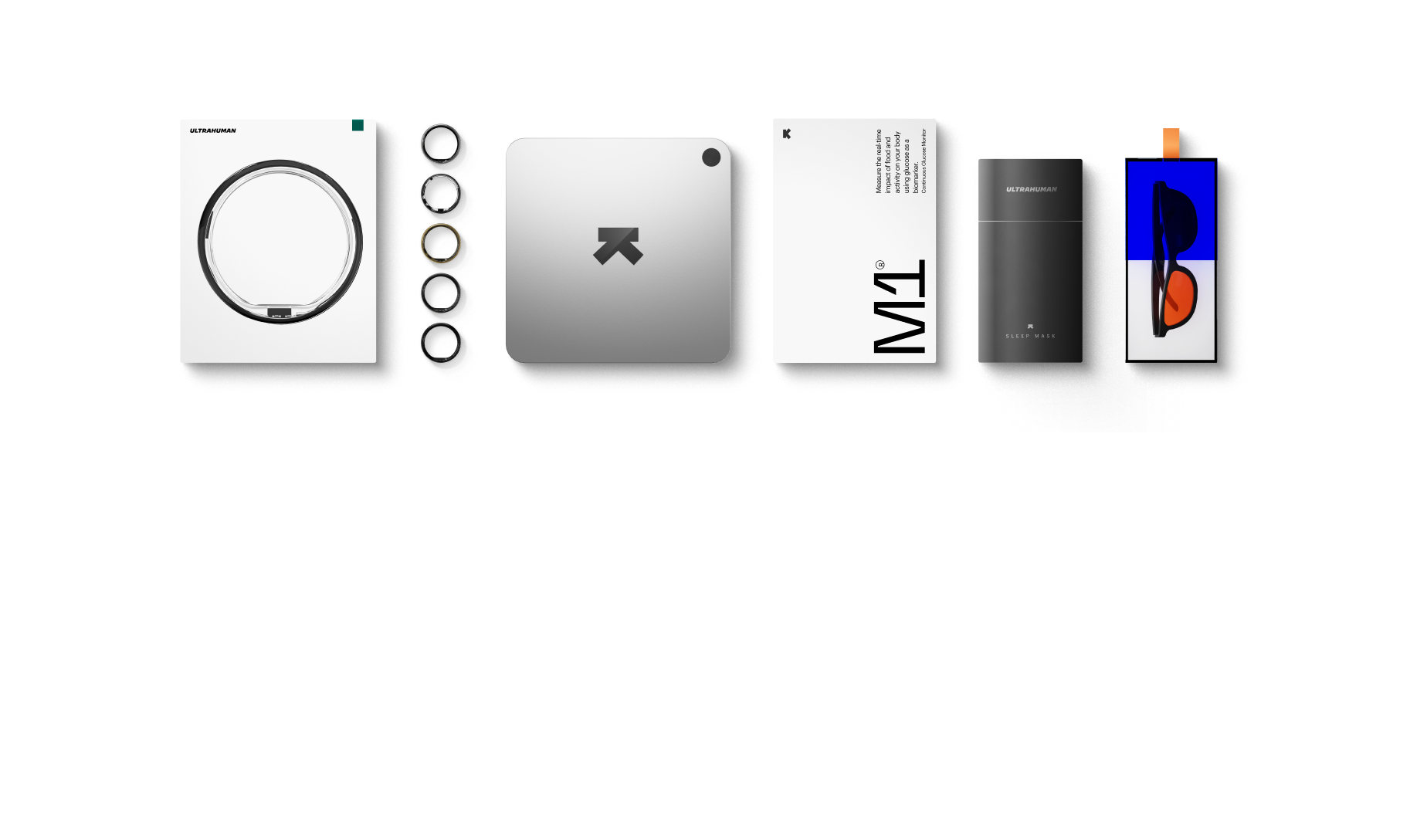
Ultrahuman M1 helps you measure the impact of food and activity on your body in real time through glucose as a biomarker.

Explore Ultrahuman M1

Find Glucose response for your favourite foods

Explore OGDb