

Blueberries (100 G) and Walnuts (1 Nut)
 Dinner
117 mg/dL
avg. peak value
Usually causes a medium spike
Avg. Food Score on Ultrahuman App
Ultrahuman Users got an UNSTABLE response
Other related foods
- blueberries
- blueberries raspberries
- blueberries greek yogurt
- blueberries strawberries
- blueberries walnuts
- blueberries english greek yoghurt
- blueberries low fat greek yogurt
- blueberries cioccolato fondente amedei 92 fiocchi d avena kefir mandorle semi di chia semi di chia biologici
- avocados blueberries cioccolato fondente amedei 92 fiocchi d avena kefir mandorle semi di chia semi di chia biologici toasted white bread
- blueberries celery juice apple cider shia seed tumeric powder ginger pineapple coffee with cinnamon and cream powder
How to consume Blueberries, Walnuts without glucose spikes
Portion Control
Reduce the portion size of blueberries and walnuts to lower the overall intake of carbohydrates and sugar, which can help in managing glucose spikes.
Protein Pairing
Combine blueberries and walnuts with a source of lean protein like Greek yogurt or cottage cheese. Protein can slow down the absorption of sugar into the bloodstream.
Fiber Addition
Add high-fiber foods to your meal, such as chia seeds or flaxseeds. This can help slow digestion and stabilize blood sugar levels.
Meal Timing
Consume these foods as part of a balanced meal rather than on an empty stomach. Eating them with other macronutrients can help moderate the glucose response.
Physical Activity
Engage in light physical activity like a short walk after consuming meals with blueberries and walnuts to help your body use glucose more efficiently.
Hydration
Ensure proper hydration by drinking water before and after meals, as it aids in digestion and the metabolic process.
Mindful Eating
Eat slowly and mindfully, paying attention to your body's hunger and fullness cues, which may prevent overeating and excess sugar intake.
Cinnamon Supplement
Consider adding a sprinkle of cinnamon to your blueberries and walnuts, as it may help in reducing blood sugar levels.
Alternative Snacks
Swap out some of the blueberries and walnuts for snacks like apple slices with almond butter or a small avocado, which are known for their slower sugar absorption rates.
Regular Monitoring
Keep track of your blood sugar levels to understand how these foods affect you personally and adjust your intake accordingly.
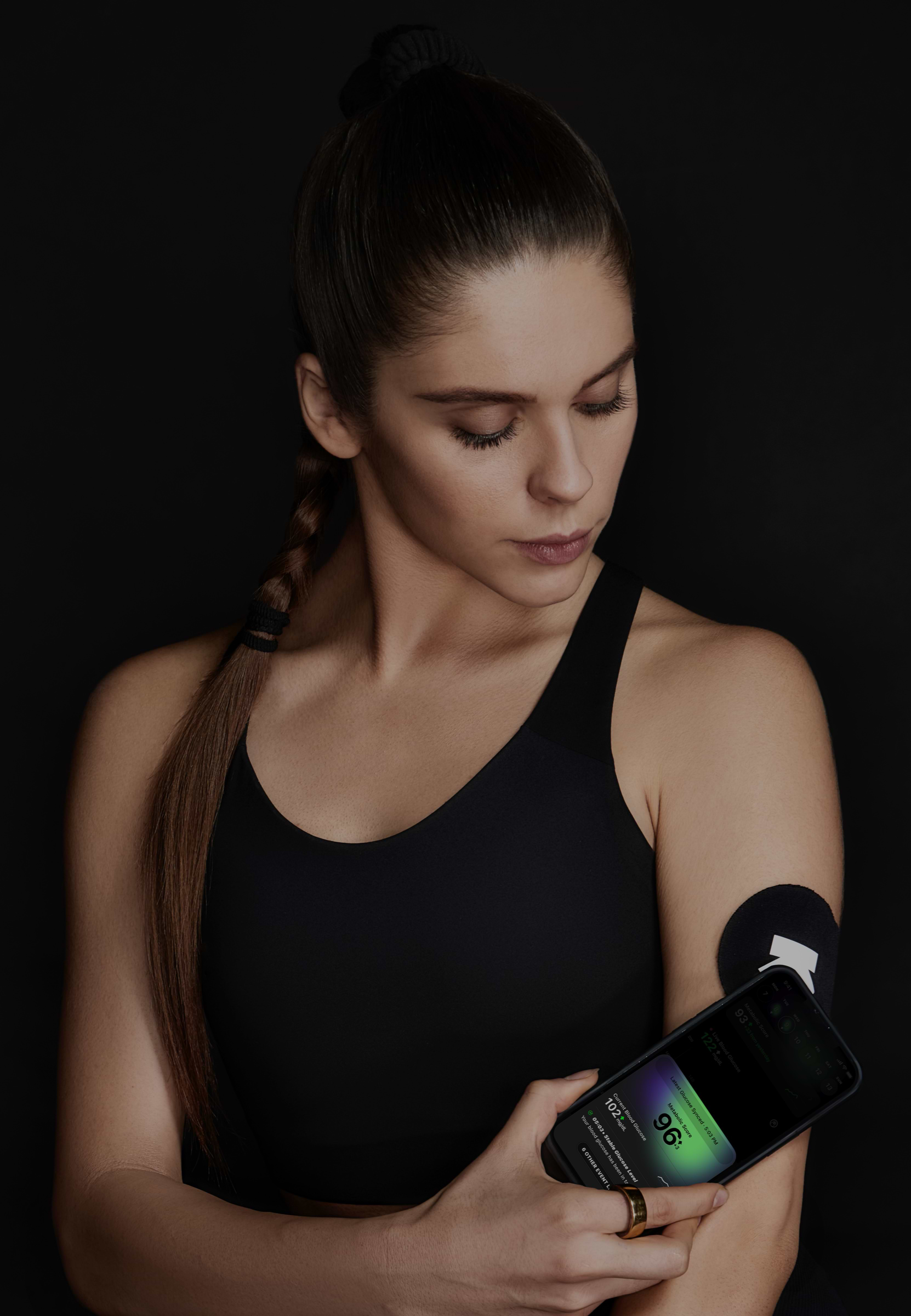
Discover
metabolic
health with M1
Ultrahuman M1 helps you measure the impact of food and activity on your body in real time through glucose as a biomarker.
Explore Ultrahuman M1Entdecken Sie die glykämische Reaktion Ihrer Lieblingsspeisen
Entdecken Sie OGDbYour cart is empty
Browse through our products and find something for you.