




White Rice (1 Cup, Cooked), English Indian Rasam Soup (1 Cup) and Aloo Sabzi (100 G)
 Dinner
117 mg/dL
avg. peak value
Usually causes a medium spike
Avg. Food Score on Ultrahuman App
100%
Ultrahuman Users got an UNSTABLE response
How to consume aloo sabzi, english indian rasam soup, white rice without glucose spikes
Portion Control
Reduce the portion size of white rice, as it is a primary contributor to glucose spikes. Consider limiting it to a smaller serving and filling the plate with more non-starchy vegetables.
Fiber Addition
Incorporate high-fiber vegetables like broccoli, spinach, or kale into your meal. These can slow down the digestion process and reduce the glucose spike.
Protein Pairing
Add a source of protein such as lentils, chickpeas, or tofu to your meal. Protein can help in moderating blood sugar levels by slowing carbohydrate absorption.
Healthy Fats
Include healthy fats like a handful of nuts or seeds, such as almonds or flaxseeds. These can help in stabilizing blood sugar levels.
Whole Grains
Swap a portion of white rice with whole grains like quinoa or barley. These have a slower release of glucose into the bloodstream.
Meal Timing
Avoid eating large meals in one sitting. Instead, opt for smaller, frequent meals throughout the day to maintain stable blood sugar levels.
Stay Hydrated
Drink plenty of water throughout the day. Proper hydration can assist in regulating blood sugar levels.
Physical Activity
Engage in light physical activity, such as a walk, after meals. This can help in improving insulin sensitivity and reducing post-meal blood sugar levels.
Mindful Eating
Eat slowly and chew your food thoroughly. This can help in better digestion and prevent overeating, which can contribute to spikes in blood sugar.
Monitor and Adjust
Keep track of your blood sugar levels and adjust your meal components accordingly. This personalized approach can help in finding the right balance for your body.
Discover
metabolic
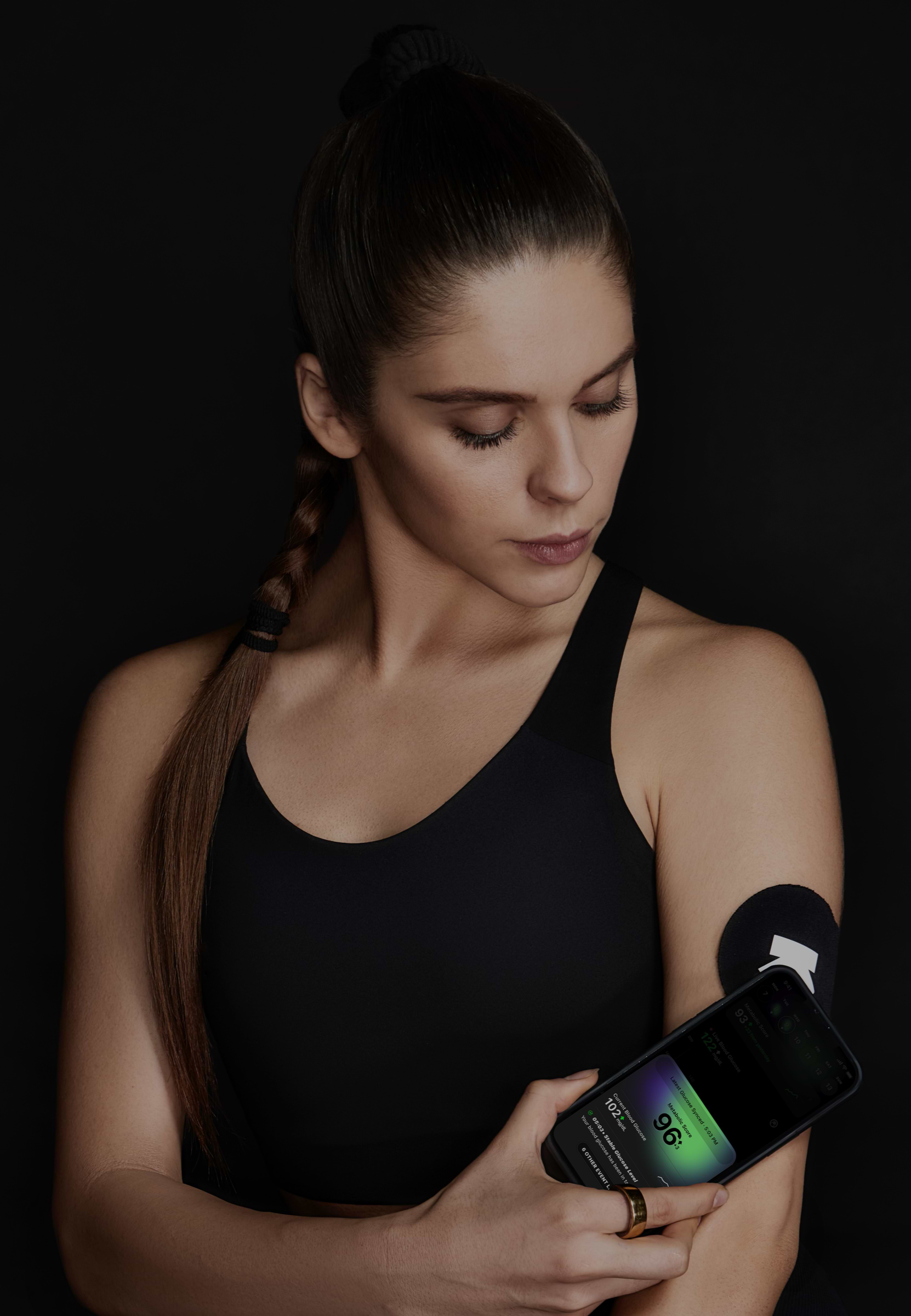
health with M1
Ultrahuman M1 helps you measure the impact of food and activity on your body in real time through glucose as a biomarker.
Explore Ultrahuman M1Find Glucose response for your favourite foods
Explore OGDb