

Introducing Pulsomics. Contribute to science. Learn MoreIntroducing Pulsomics. Contribute to science.
M2 Live is here. Continuous Glucose Tracking, no Rx
Introducing Pulsomics. Contribute to science. Learn MoreIntroducing Pulsomics. Contribute to science.
Ultrahuman Ring
Choose the ring built for you.

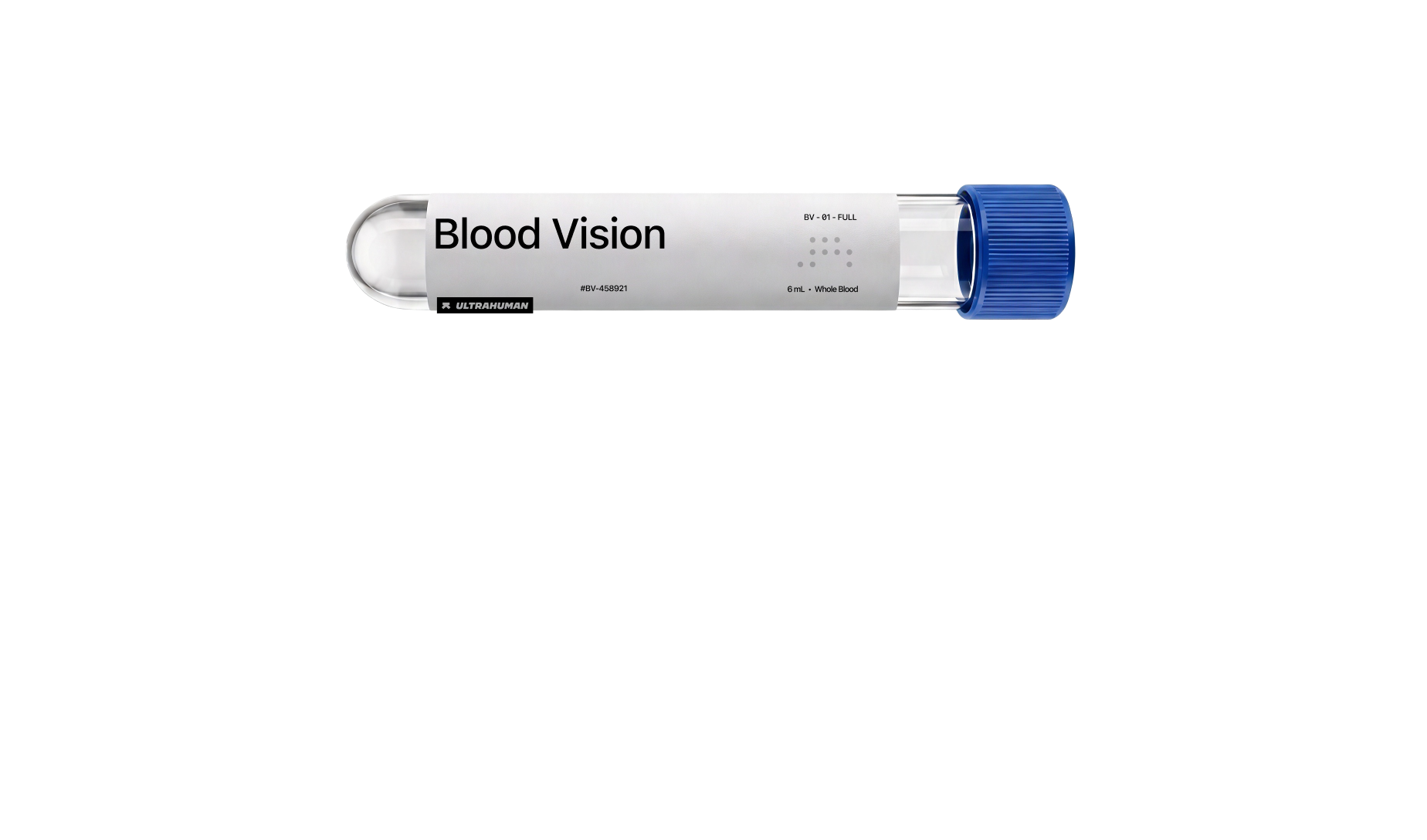
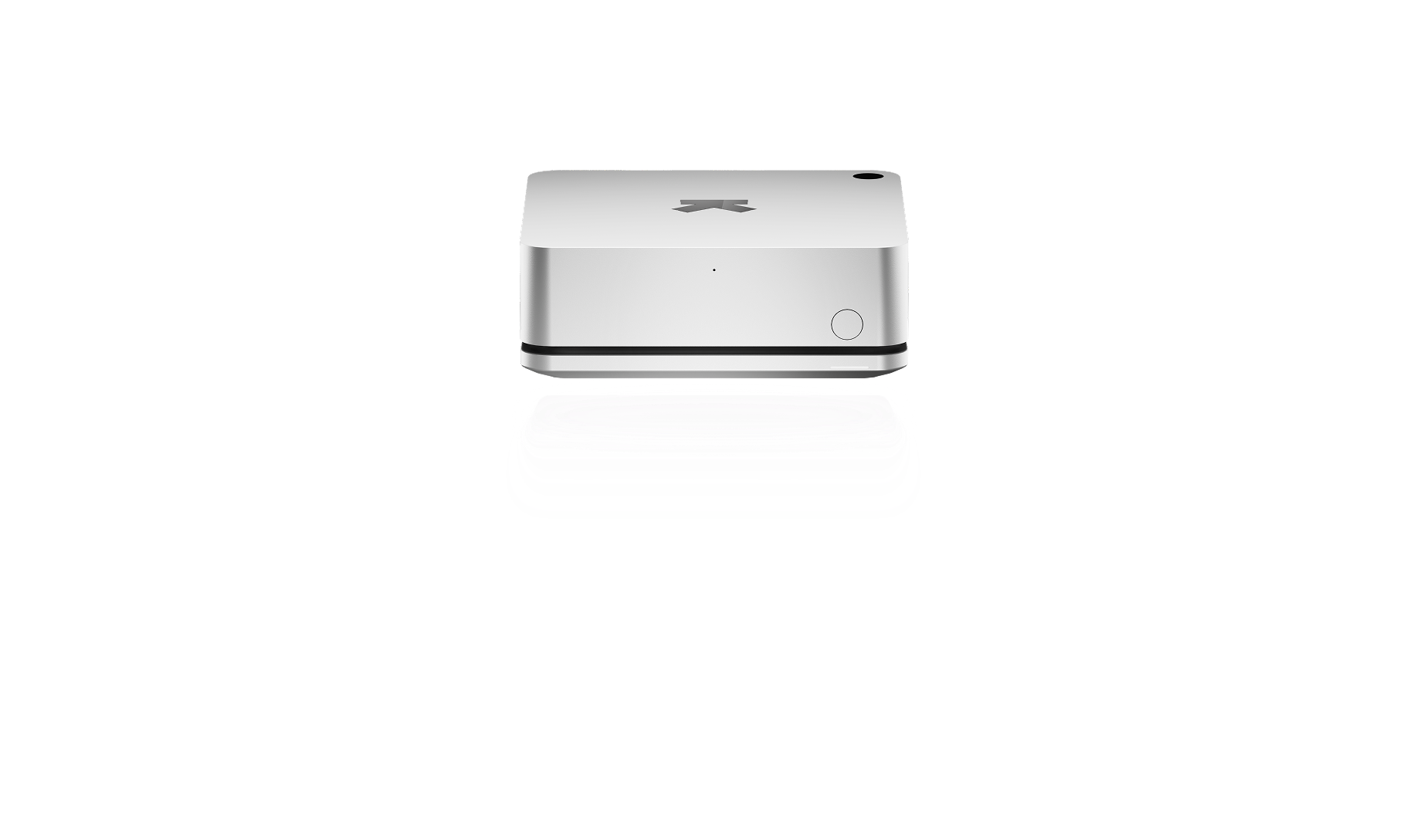
Performance Lab
Train, test and recover at our Bengaluru facility.


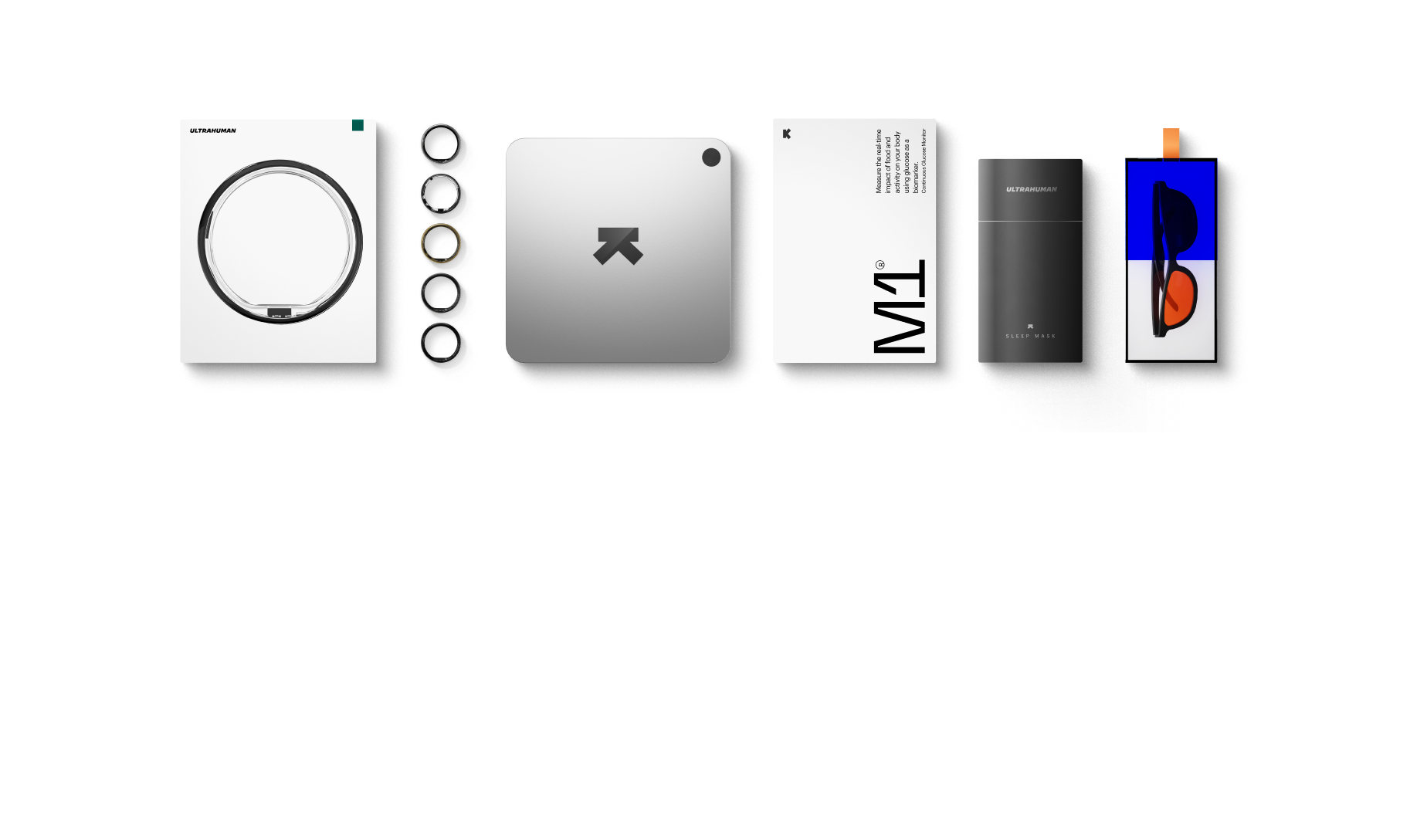
Science & Research

Probiotic Dahi (Mother Dairy) (1 Serving), Ghiya (Hommade) (1 Serving), Cooked Okra (100 G) and Mixed Salad Greens (1 Cup, Shredded Or Chopped)
 Lunch
Lunch
101 mg/dL
avg. peak value
Usually causes a small spike
Avg. Food Score on Ultrahuman App
83%
Ultrahuman Users got a STABLE response
How to consume cooked okra, ghiya, mixed salad greens, probiotic dahi without glucose spikes
Portion Control
Limit the amount of okra and ghiya you consume in one meal to manage the glucose spike effectively.
Balanced Meal Composition
Pair okra and ghiya with protein sources such as grilled chicken or tofu to slow down carbohydrate absorption.
Include Healthy Fats
Add sources of healthy fats like avocados, nuts, or seeds to your meal to help stabilize blood sugar levels.
Monitor Cooking Methods
Cook okra and ghiya using methods like steaming or sautéing rather than frying to maintain their nutritional benefits.
Incorporate Fiber-Rich Foods
Add more fiber-rich foods such as lentils or quinoa to your meals to further reduce glucose spikes.
Stay Hydrated
Drink plenty of water before, during, and after meals to support digestion and nutrient absorption.
Regular Meal Timing
Maintain consistent meal times to help regulate blood sugar levels throughout the day.
Mindful Eating Practices
Eat slowly and savor your food, allowing your body time to process nutrients and signal fullness effectively.
Regular Physical Activity
Engage in light physical activity like walking after meals to help your body utilize glucose more efficiently.
Monitor Blood Sugar Levels
Keep track of your blood sugar before and after meals to understand how different foods affect your glucose levels and adjust your diet accordingly.


Discover
metabolic
health with M1
Ultrahuman M1 helps you measure the impact of food and activity on your body in real time through glucose as a biomarker.
Explore Ultrahuman M1Find Glucose response for your favourite foods
Explore OGDbYour cart is empty
Looks like you haven't added anything yet. Explore our products to get started.