
Greek Yogurt (Epigamia) (1 Serving)
Dinner
110 mg/dL
avg. peak value
Usually has a stable response
Avg. Food Score on Ultrahuman App
Ultrahuman Users got a STABLE response
How to consume Greek Yogurt without glucose spikes

Choose Plain Yogurt
Opt for plain Greek yogurt rather than flavored varieties, as plain yogurt typically contains less sugar and fewer additives.
Portion Control
Be mindful of your serving size. A smaller portion can help manage glucose spikes more effectively.
Add Protein
Enhance your yogurt with a protein source like a handful of nuts or seeds (such as almonds or chia seeds) to help slow down the absorption of carbohydrates.
Incorporate Healthy Fats
Mix in some healthy fats like a drizzle of olive oil or a few slices of avocado. Healthy fats can slow digestion and stabilize blood sugar levels.
Top with Low-Sugar Fruits
Add fruits such as berries (like raspberries, strawberries, or blueberries) that have a lower impact on blood sugar to increase fiber and nutrient intake.
Include Fiber
Sprinkle some flaxseeds or a small portion of oats to increase fiber content, which can help moderate glucose levels.
Avoid Added Sugars
Steer clear of toppings or additions that contain added sugars, such as honey or sweetened granola.
Pair with Non-Starchy Vegetables
Enjoy your yogurt with a side of non-starchy vegetables like sliced cucumber or cherry tomatoes to balance your meal.
Stay Hydrated
Drink a glass of water before or with your meal to improve digestion and help regulate appetite.
Monitor Meal Timing
Consume your yogurt as part of a balanced meal rather than a standalone snack, which can aid in managing glucose responses.

Discover
metabolic
health with M1
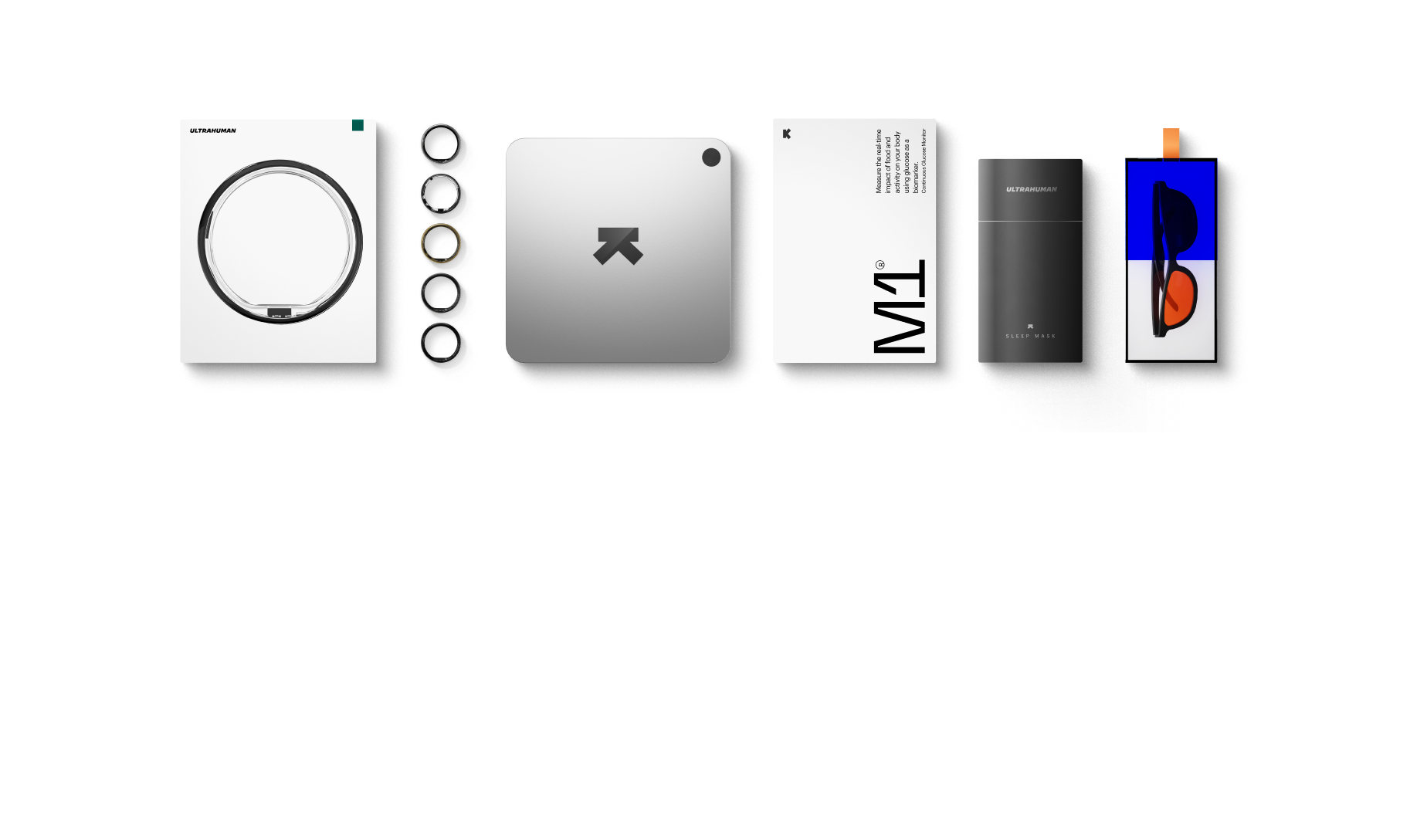
Ultrahuman M1 helps you measure the impact of food and activity on your body in real time through glucose as a biomarker.
Explore Ultrahuman M1Find Glucose response for your favourite foods
Explore OGDbYour cart is empty
Browse through our products and find something for you.