

Khichdi (1 Cup, Cooked) and Khichdi (1 Cup, Cooked)
 Dinner
189 mg/dL
avg. peak value
Usually causes a medium spike
Avg. Food Score on Ultrahuman App
Ultrahuman Users got an UNSTABLE response
How to consume Khichdi | Khichdi without glucose spikes
Portion Control
Start by reducing the portion size of Khichdi you consume. Smaller portions can mitigate the impact on your blood sugar levels.
Include Protein
Add a source of lean protein to your meal, such as grilled chicken, tofu, or lentils, to help slow down the absorption of carbohydrates.
Increase Fiber
Incorporate high-fiber ingredients like vegetables (spinach, broccoli, or carrots) into your Khichdi. Fiber-rich foods help in slowing glucose absorption.
Add Healthy Fats
Include healthy fats such as a small serving of nuts, seeds, or a drizzle of olive oil, which can help stabilize blood sugar levels.
Consume with a Salad
Pair your Khichdi with a salad containing greens, cucumbers, and tomatoes. The additional fiber and water content can help moderate blood sugar spikes.
Cook with Whole Grains
Use whole grains like brown rice or quinoa instead of white rice to prepare Khichdi. These grains have a slower rate of digestion.
Use Lentils Instead of Rice
Try making Khichdi with only lentils, which can be a lower-impact option for blood sugar compared to traditional rice-based Khichdi.
Stay Hydrated
Drink plenty of water before and after meals to aid in digestion and help manage blood sugar levels.
Exercise Post-Meal
Consider a short walk or light physical activity after meals. It can help in using up the glucose present in the bloodstream.
Monitor Meal Timing
Eating meals at regular intervals and not skipping meals can help keep your glucose levels stable.
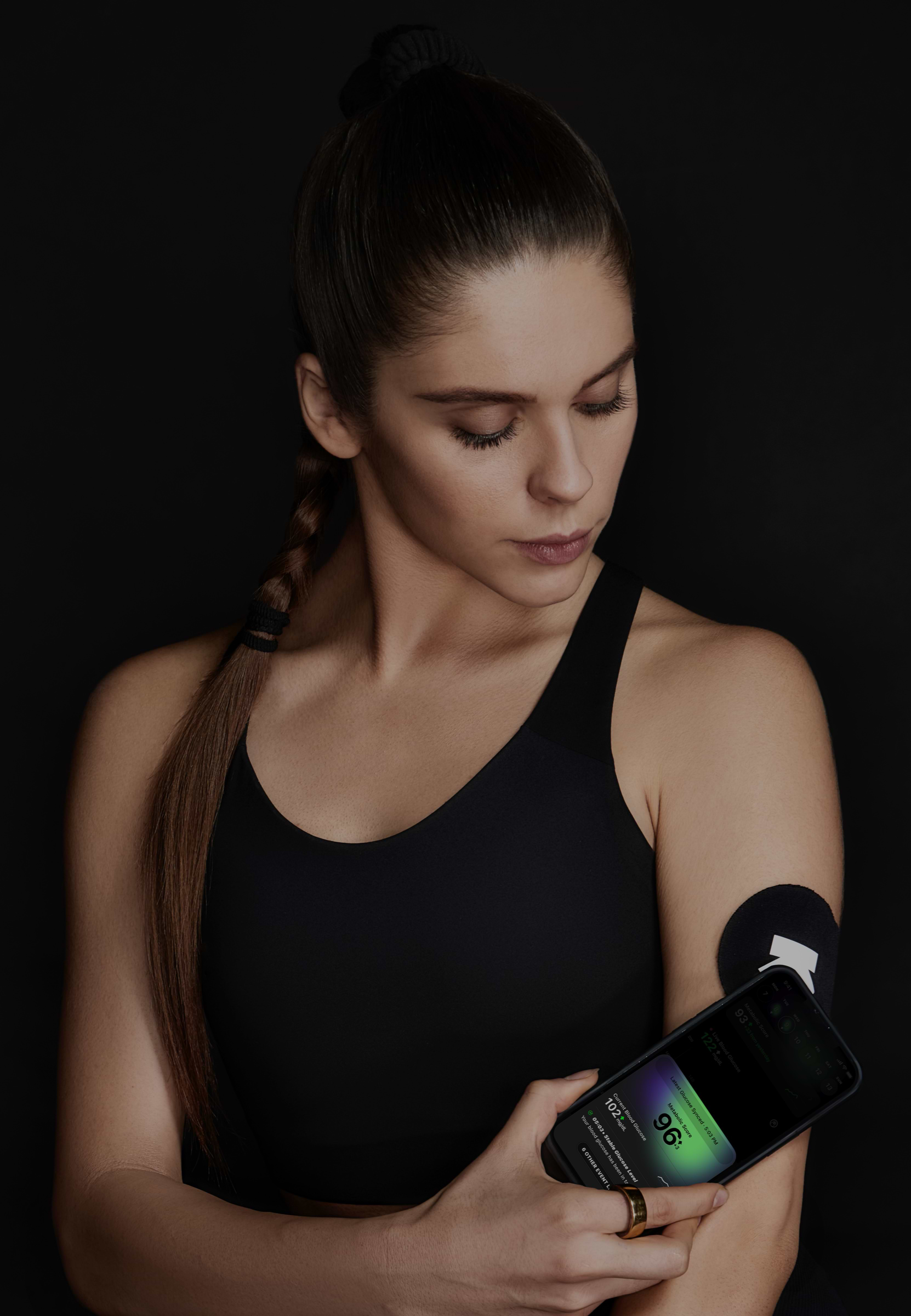
Find Glucose response for your favourite foods
Explore OGDbDiscover
metabolic
health with M1
Ultrahuman M1 helps you measure the impact of food and activity on your body in real time through glucose as a biomarker.
Explore Ultrahuman M1Your cart is empty
Browse through our products and find something for you.