

Milk (2% Lowfat with Added Vitamin A and Protein) (1 Cup)
 Midnight Snack
93 mg/dL
avg. peak value
Usually has a stable response
Avg. Food Score on Ultrahuman App
Ultrahuman Users got a STABLE response
How to consume milk (2% lowfat with added vitamin a and protein) without glucose spikes
Pair with Fiber-Rich Foods
Consume your milk with high-fiber foods like oats, chia seeds, or whole grain bread as they can slow down the absorption of sugar into the bloodstream.
Incorporate Healthy Fats
Add a source of healthy fats such as nuts, seeds, or avocado to your meal. This can help to stabilize blood sugar levels by slowing down digestion.
Add Protein
Combine milk with other protein sources like Greek yogurt, eggs, or a small serving of lean meat to help moderate the release of sugar into the bloodstream.
Portion Control
Limit the quantity of milk you consume in one sitting to reduce the overall impact on your blood sugar levels.
Spread Across Meals
If you enjoy milk, consider drinking smaller amounts at different times throughout the day instead of consuming it all at once.
Pre-Meal Hydration
Drink a glass of water before your meal, which can help you feel fuller and reduce the amount of milk you consume.
Add Cinnamon
Sprinkle some cinnamon into your milk or onto your cereal. Cinnamon is known for its potential to help lower blood sugar levels.
Include Citrus Fruits
Pair your milk with fruits like oranges or grapefruit which have fiber and can help moderate sugar absorption.
Stay Active
Engage in a short walk or light physical activity after consuming milk to help utilize the sugar more effectively.
Monitor Your Response
Keep track of how your body responds to milk consumption and adjust your diet accordingly to prevent spikes.
Discover
metabolic
health with M1
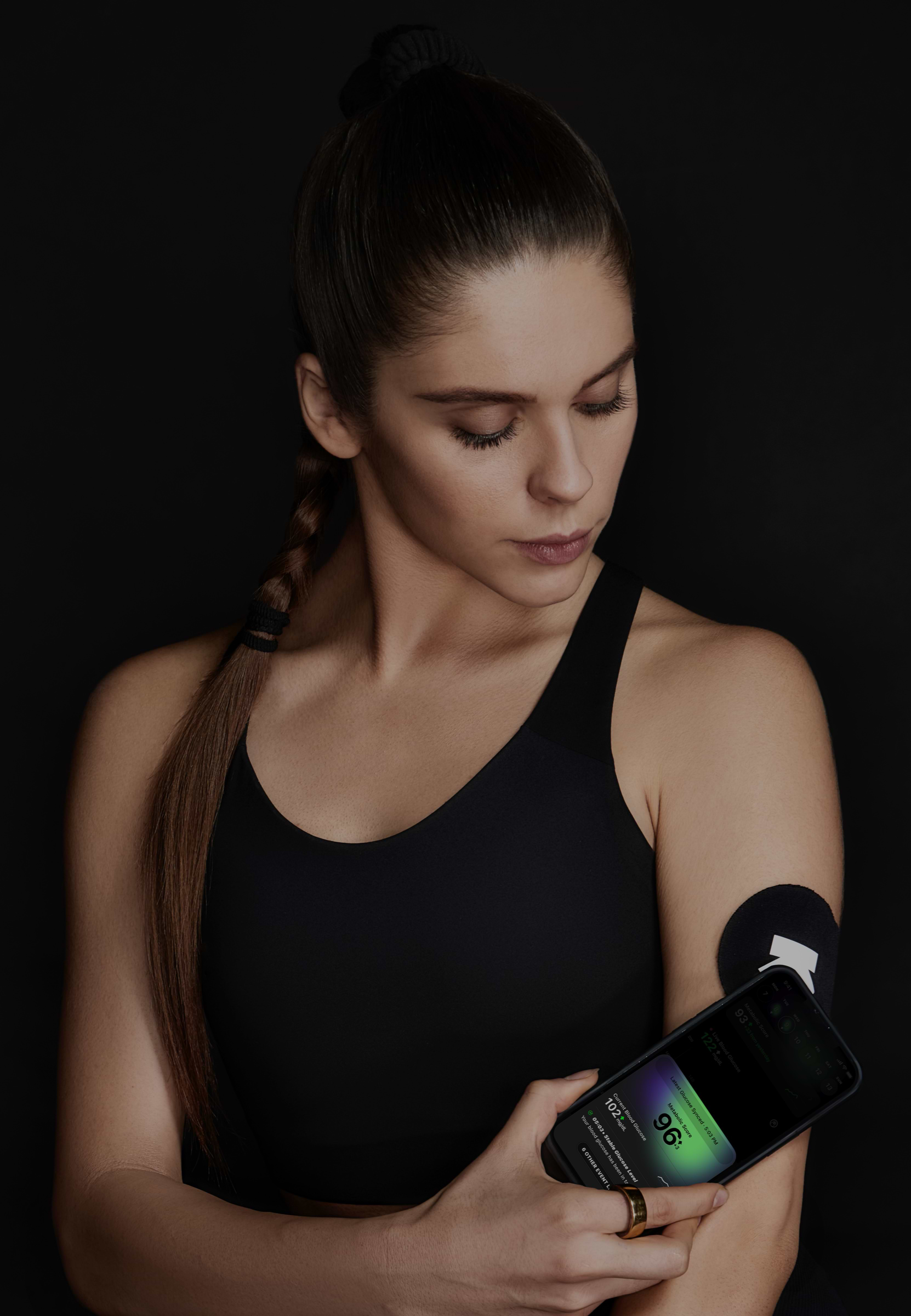
Ultrahuman M1 helps you measure the impact of food and activity on your body in real time through glucose as a biomarker.
Explore Ultrahuman M1Find Glucose response for your favourite foods
Explore OGDbYour cart is empty
Looks like you haven't added anything yet. Explore our products to get started.