
Introducing Pulsomics. Contribute to science. Learn MoreIntroducing Pulsomics. Contribute to science.
M2 Live is here. Continuous Glucose Tracking, no Rx
Introducing Pulsomics. Contribute to science. Learn MoreIntroducing Pulsomics. Contribute to science.
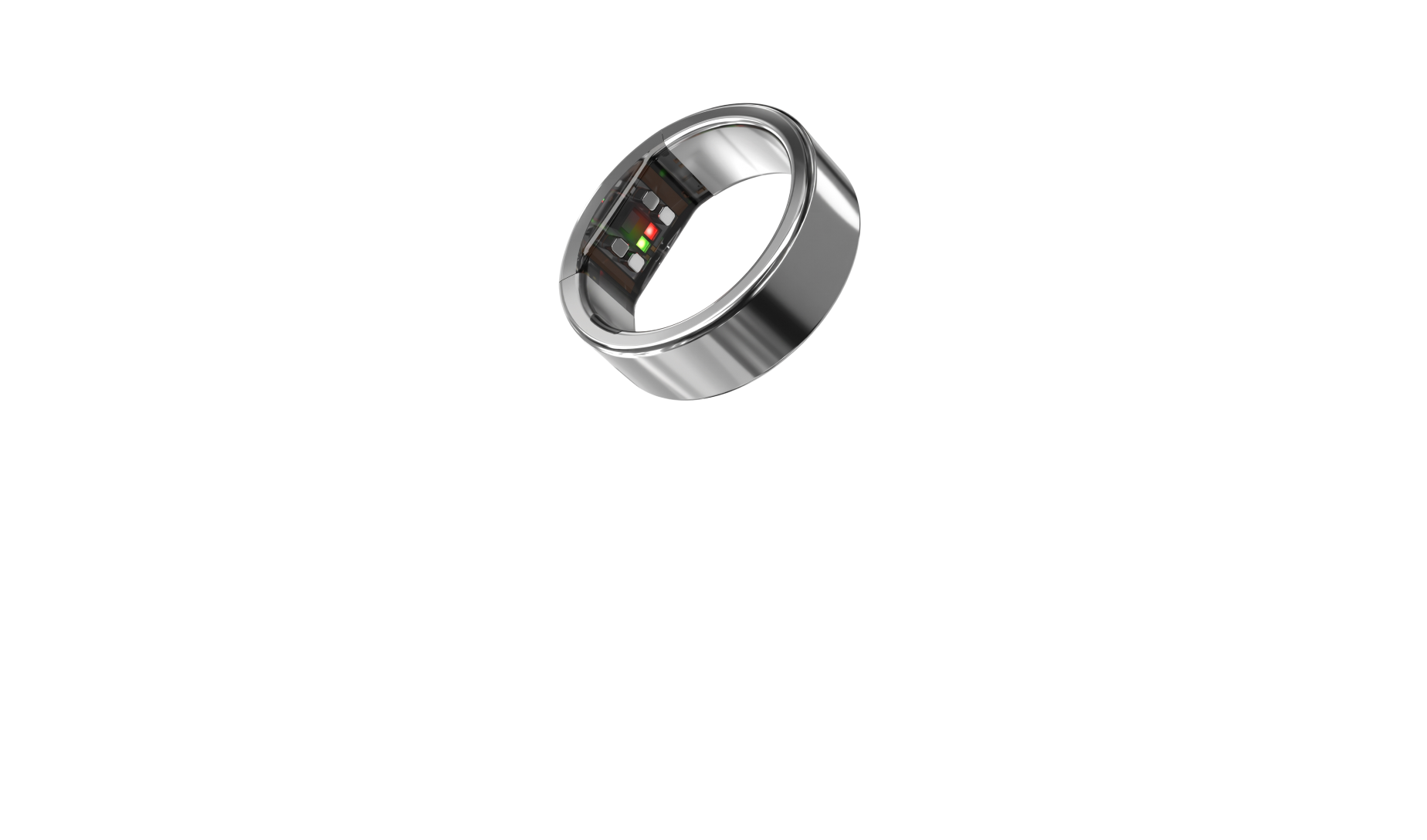
Ultrahuman Ring
Choose the ring built for you.

Performance Lab
Train, test and recover at our Bengaluru facility.


Red rice kanji (1 piece)
 Lunch
Lunch
220 mg/dL
avg. peak value
Usually causes a large spike
Avg. Food Score on Ultrahuman App
100%
Ultrahuman Users got an UNSTABLE response
How to consume red rice kanji without glucose spikes
Monitor Portions
Reduce the portion size of red rice kanji to minimize the rapid influx of carbohydrates into your system.
Include Fiber
Add a serving of leafy greens or vegetables like broccoli, cauliflower, or spinach to your meal to slow down the absorption of sugars.
Add Protein
Incorporate a protein source such as lentils, beans, or a small portion of chicken or fish. This helps in stabilizing blood sugar levels.
Incorporate Healthy Fats
Include a small amount of healthy fats such as avocado, nuts, or seeds. These can help in moderating the glucose spike.
Stay Hydrated
Drink plenty of water throughout the day to help your body manage blood sugar levels more efficiently.
Eat Mindfully
Chew your food thoroughly and eat slowly to give your body time to process the carbohydrates more gradually.
Physical Activity
Engage in light physical activity like walking after a meal to help lower blood sugar levels.
Balance Your Meal
Combine the red rice kanji with other low-carbohydrate and nutrient-rich foods to create a balanced meal.
Timing of Meals
Try eating smaller, more frequent meals rather than large portions to avoid spikes throughout the day.
Monitor Carbohydrates
Keep track of the types and amounts of carbohydrates you consume to better manage their impact on your blood sugar levels.

Discover
metabolic
health with M1
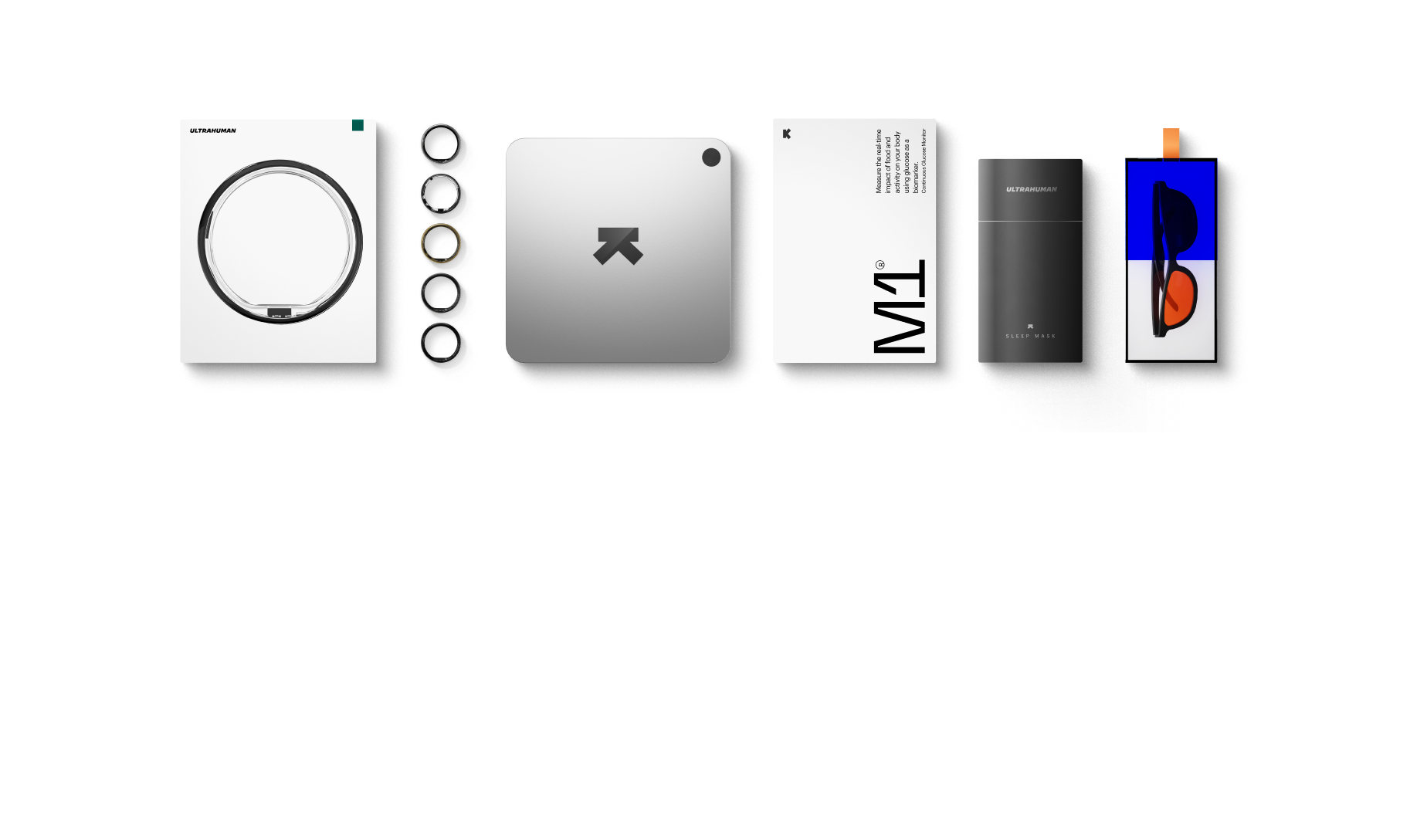
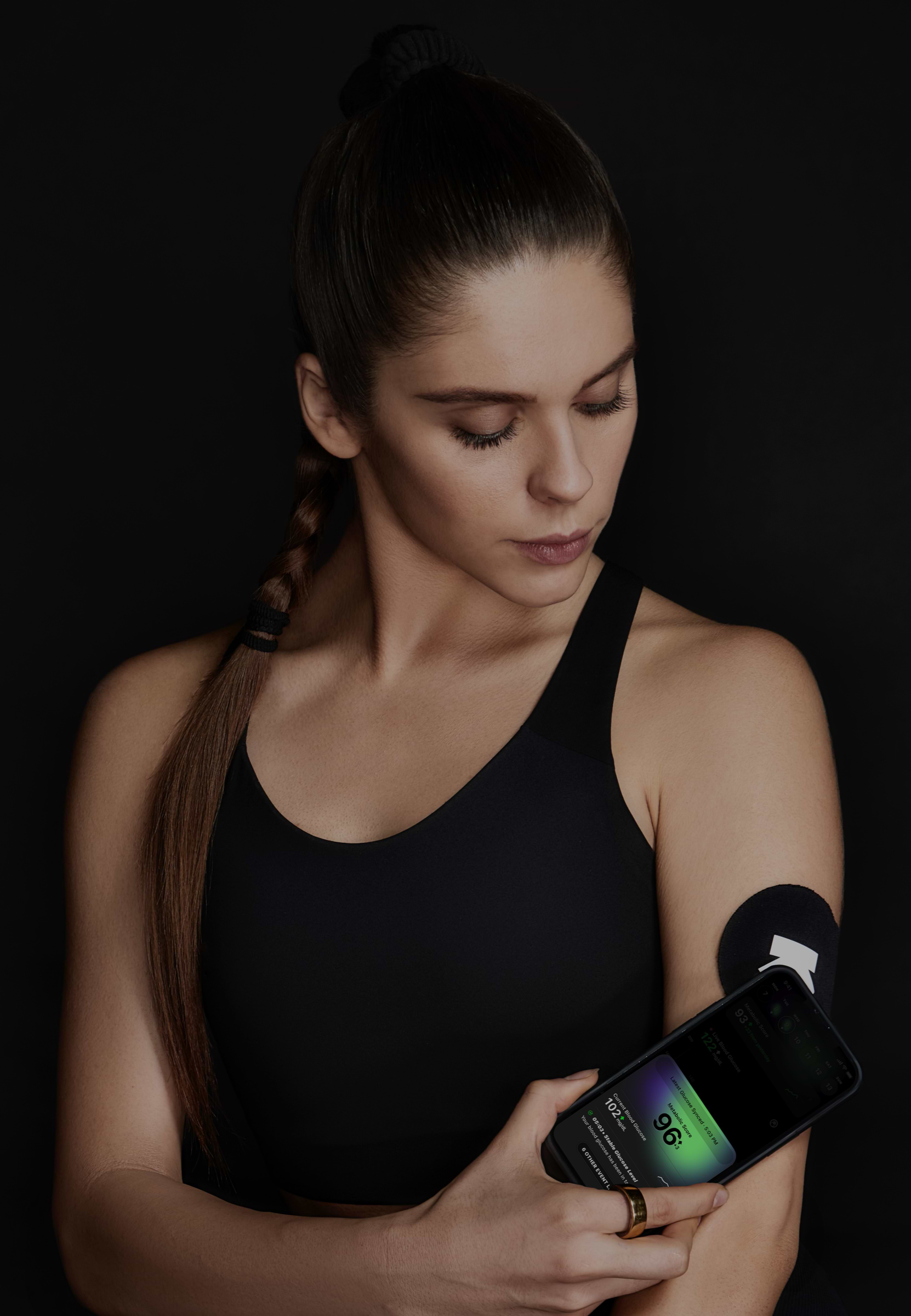
Ultrahuman M1 helps you measure the impact of food and activity on your body in real time through glucose as a biomarker.
Explore Ultrahuman M1Find Glucose response for your favourite foods
Explore OGDbYour cart is empty
Looks like you haven't added anything yet. Explore our products to get started.