

Turkey (1 Thin Slice (Approx 3 Inches X 2 Inches X 1/8 Inches))
 Dinner
105 mg/dL
avg. peak value
Usually has a stable response
Avg. Food Score on Ultrahuman App
Ultrahuman Users got a STABLE response
Other related foods
- chicken or turkey salad
- chicken or turkey and noodles mixture
- egg roll with chicken or turkey
- turkey sandwich
- chicken or turkey garden salad chicken and or turkey tomato and or carrots other vegetables
- chicken or turkey garden salad chicken and or turkey other vegetables excluding tomato and carrots
- chicken or turkey rice and vegetables mixture
- chicken or turkey and rice mixture
- turkey
- chicken or turkey chow mein or chop suey
How to consume turkey without glucose spikes
Portion Control
Keep your portion sizes of turkey moderate to minimize the potential for a glucose spike.
Balance Your Plate
Pair turkey with non-starchy vegetables like broccoli, spinach, and asparagus. These options help slow down the absorption of glucose.
Include Healthy Fats
Add healthy fats like avocado, nuts, or seeds to your meal. These fats can help stabilize blood sugar levels.
Incorporate Whole Grains
Opt for whole grains such as quinoa or barley as a side dish instead of refined grains. They digest more slowly, providing a steadier response.
Add Legumes
Include beans or lentils as part of your meal. They are high in fiber and protein, which can help prevent a glucose spike.
Hydration
Drink water before and during your meal. Staying hydrated can aid digestion and slow the rise in blood sugar levels.
Eat Mindfully
Focus on eating slowly and thoroughly chewing your food. This practice can improve digestion and lead to a more controlled glucose response.
Include a Vinegar-Based Dressing
If you’re having a salad, consider using a dressing with vinegar. It may help in moderating blood sugar levels.
Snack Wisely
If you feel you need a snack before or after your meal, consider consuming a small portion of nuts or an apple with nut butter to keep your levels stable.
Stay Active
Engage in light physical activity like a walk after your meal to help your body utilize glucose more effectively.
Discover
metabolic
health with M1
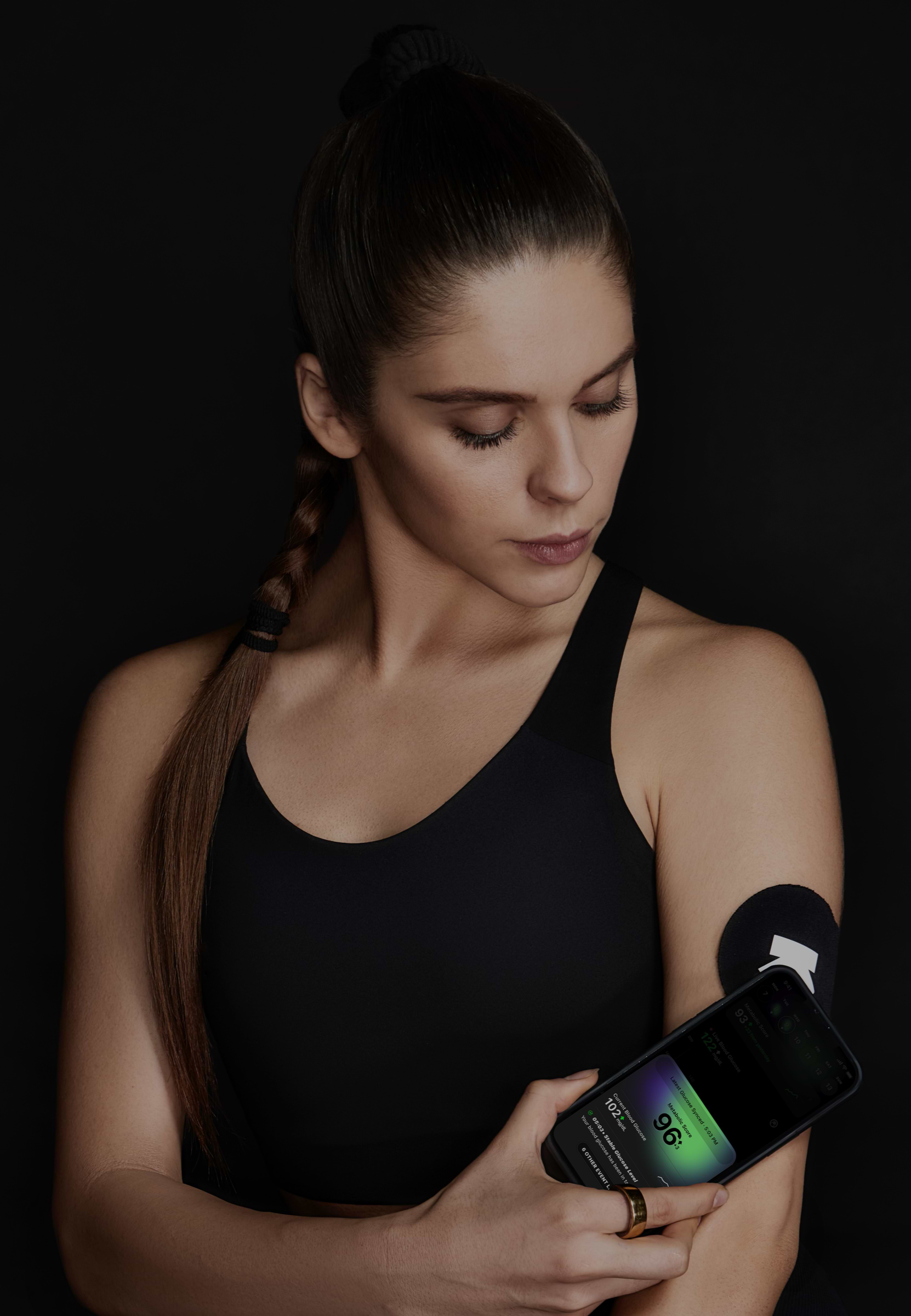
Ultrahuman M1 helps you measure the impact of food and activity on your body in real time through glucose as a biomarker.
Explore Ultrahuman M1Find Glucose response for your favourite foods
Explore OGDbYour cart is empty
Looks like you haven't added anything yet. Explore our products to get started.