
Loading...

bajji (1 piece)

food-timeAfternoon Snack

124 mg/dL

avg. peak value

Usually causes a medium spike

6

Avg. Food Score on Ultrahuman App

67%

Ultrahuman Users got an UNSTABLE response

How to consume Bajji without glucose spikes
Pair with Protein

Consume Bajji with a good source of protein like grilled chicken or fish. Protein can help moderate the rise in blood sugar levels.

Add Healthy Fats

Incorporate healthy fats such as avocados, nuts, or seeds with your meal. Fats can slow down carbohydrate absorption, reducing spikes.

Include Fiber-rich Vegetables

Serve Bajji with a side of fiber-rich vegetables such as broccoli, spinach, or kale. The fiber content can slow digestion and help control blood sugar levels.

Moderate Portion Size

Be mindful of the portion size of Bajji you consume. Smaller portions can lead to a smaller glucose response.

Stay Hydrated

Drink plenty of water before and during your meal. Proper hydration can aid in the efficient metabolism of carbohydrates.

Opt for Whole Grains

If making Bajji at home, use whole grain or chickpea flour instead of refined flour to add more fiber to the dish.

Incorporate Vinegar

Adding a small amount of vinegar or eating a salad with a vinegar-based dressing before your meal may help lower post-meal blood sugar levels.

Practice Mindful Eating

Eat slowly and savor each bite. Mindful eating can help you better recognize fullness cues and prevent overeating.

Engage in Light Physical Activity

A short walk after eating can help your muscles use some of the glucose, thereby reducing the spike.

Monitor Carbohydrate Intake

Keep track of the total carbohydrates consumed throughout the day and adjust your meals accordingly to prevent excessive intake at once.

healthspan-mbl

Discover
metabolic
health with M1

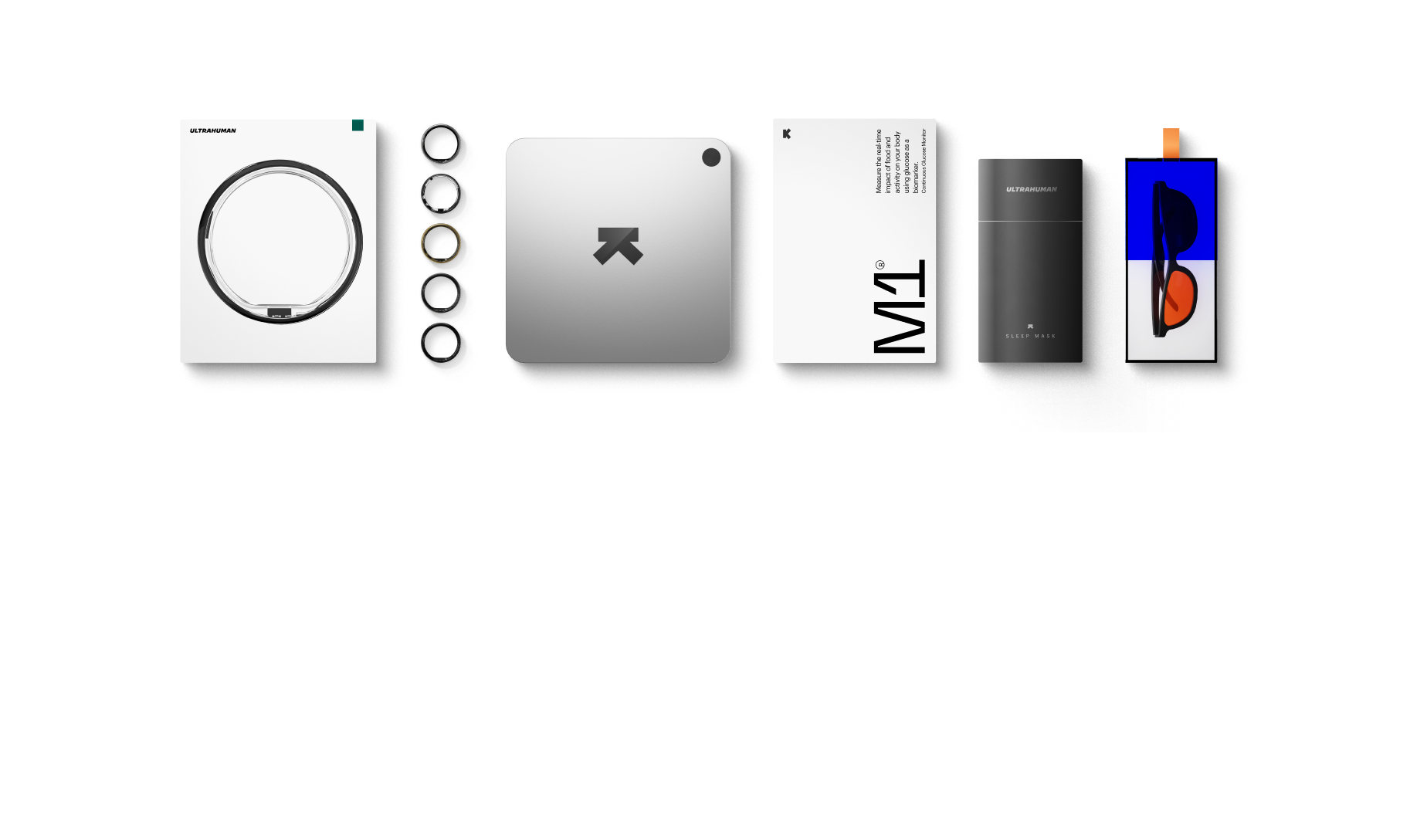
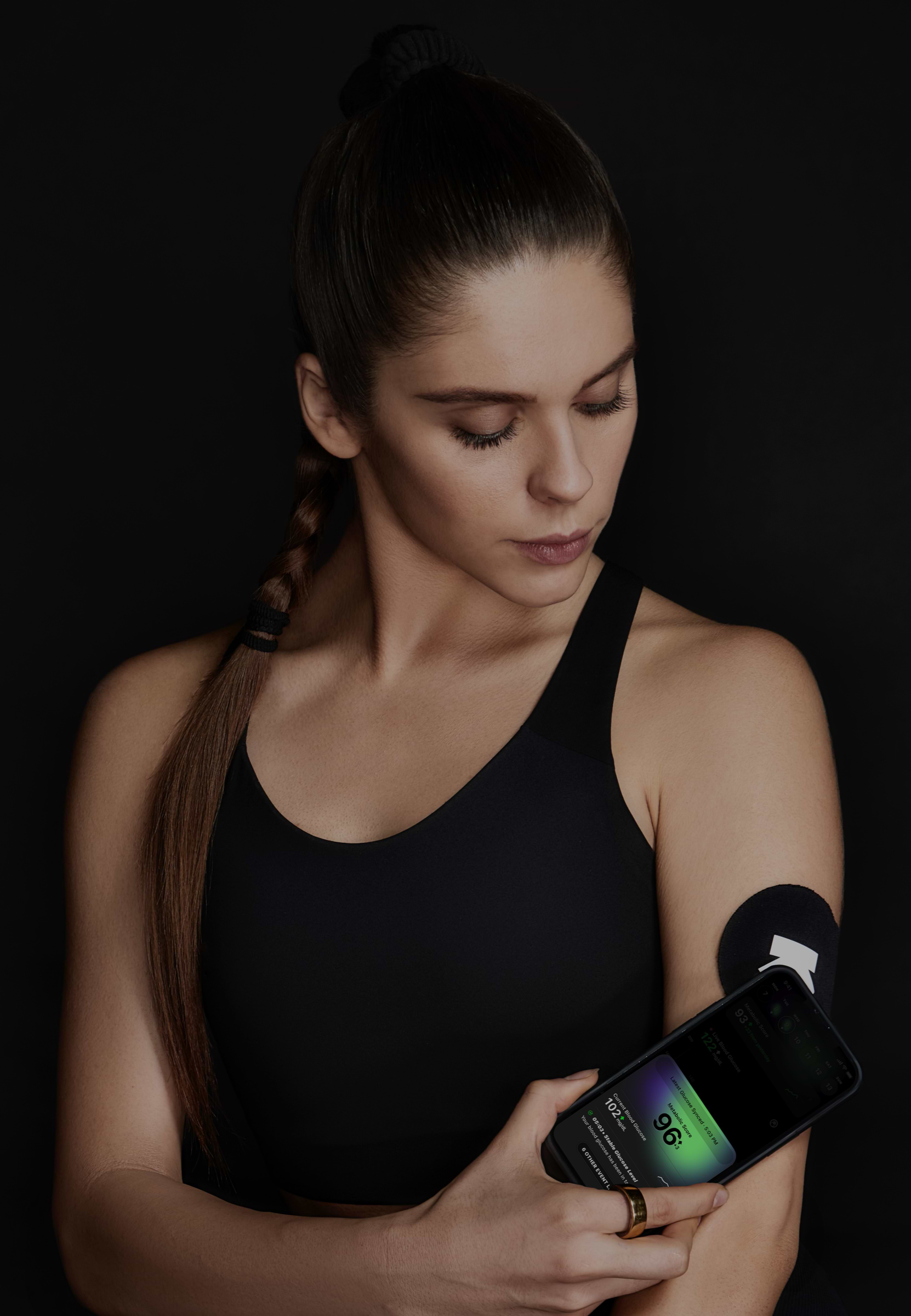
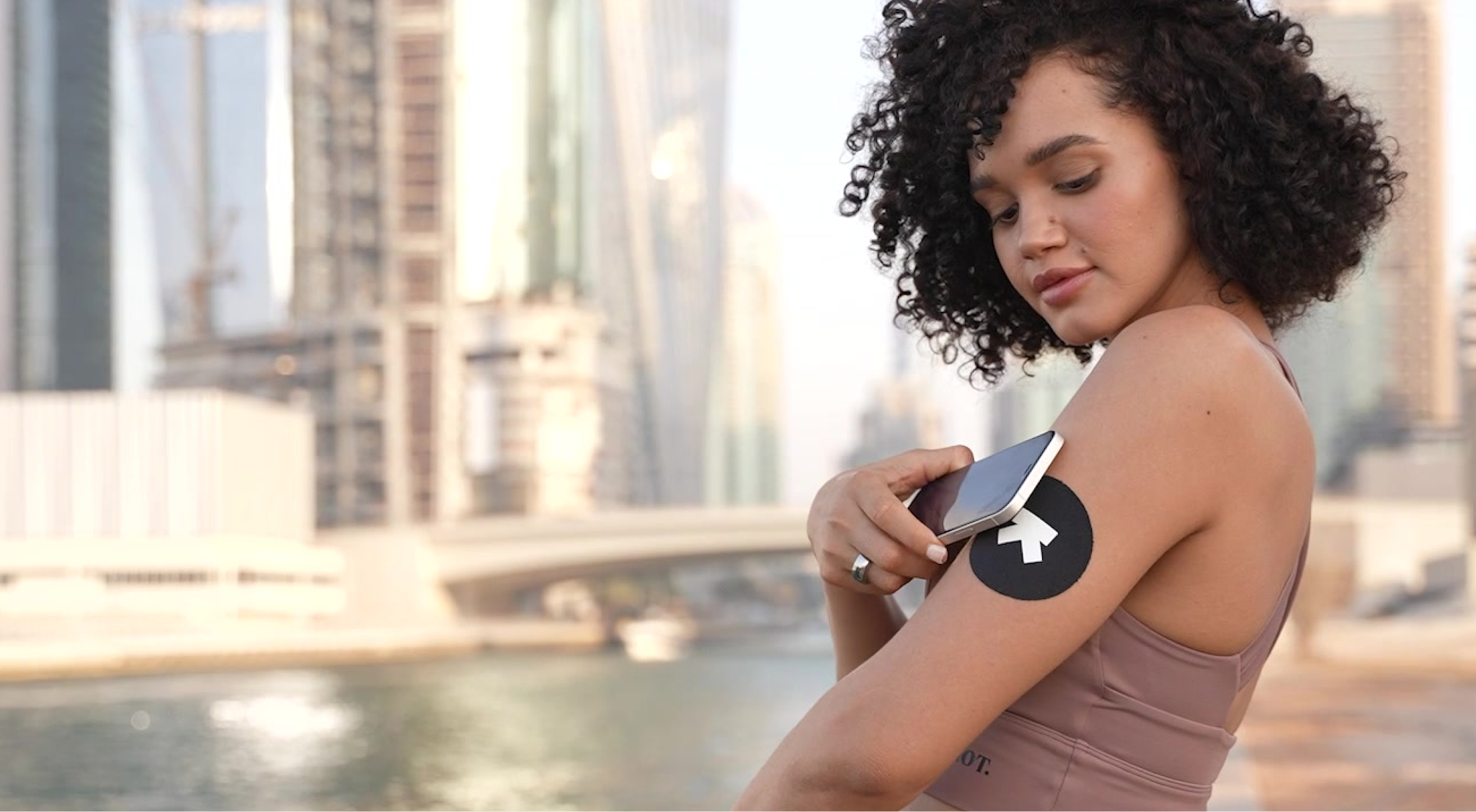
Ultrahuman M1 helps you measure the impact of food and activity on your body in real time through glucose as a biomarker.

Explore Ultrahuman M1

Find Glucose response for your favourite foods

Explore OGDb