
Loading...

Cappuccino (1 Mug (8 Fl Oz)) and Butter Croissants (1 Croissant, Medium)

food-timeBreakfast

How to consume Butter Croissants, Cappuccino without glucose spikes

Pair with Protein and Healthy Fats

Consume a source of lean protein or healthy fats alongside your butter croissant and cappuccino. Options like a handful of almonds, a boiled egg, or Greek yogurt can help slow the absorption of sugars.

Choose Whole Grain Alternatives

If possible, opt for whole grain or multigrain pastries instead of butter croissants. These alternatives often have more fiber, which can help moderate blood sugar levels.

Add Fiber-Rich Foods

Incorporate fiber-rich foods such as berries (like strawberries or blueberries) or a small apple with your meal. The fiber in these fruits can help reduce the blood glucose response.

Focus on Portion Control

Reduce the portion size of the croissant and cappuccino. Consider having half a croissant or a smaller coffee with less sugar to minimize the glucose spike.

Stay Hydrated

Drink water alongside your meal. Staying well-hydrated can aid in maintaining stable blood sugar levels.

Incorporate Physical Activity

Engage in light physical activity, such as a brisk walk, after consuming your meal. This can help your body use up some of the glucose.

Monitor Meal Timing

Try to have your meal at a consistent time each day and avoid consuming it on an empty stomach to help with better blood sugar control.

Opt for Unsweetened Alternatives

Choose an unsweetened or sugar-free version of your cappuccino, and consider using natural sweeteners if needed.

Mindful Eating

Eat slowly and mindfully to allow your body time to metabolize the food more effectively, which can help in managing blood sugar levels.

Regular Monitoring

Keep track of your blood glucose levels regularly to better understand how specific foods affect you and adjust your diet accordingly.

healthspan-mbl

Discover
metabolic
health with M1

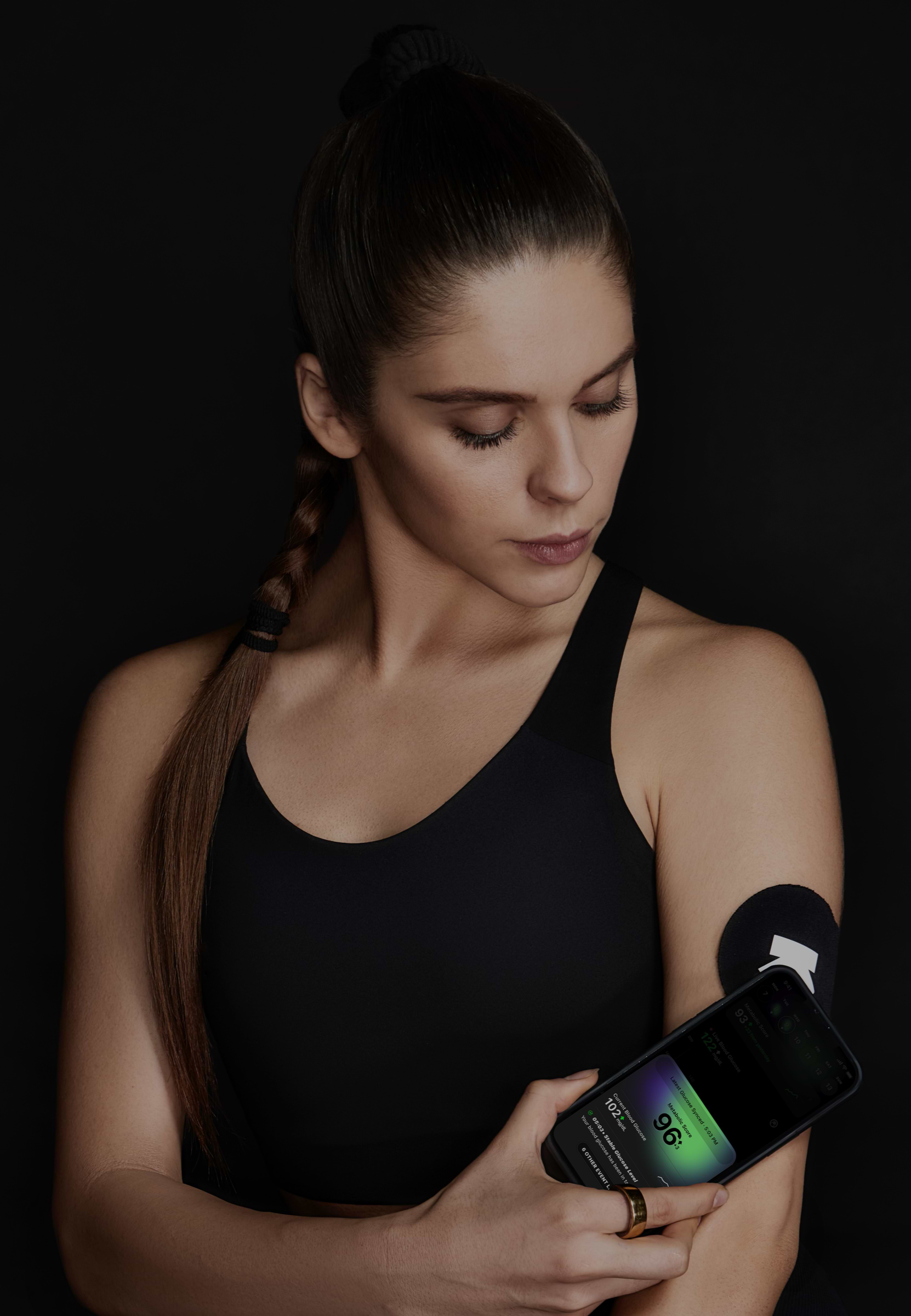
Ultrahuman M1 helps you measure the impact of food and activity on your body in real time through glucose as a biomarker.

Explore Ultrahuman M1

Find Glucose response for your favourite foods

Explore OGDb