
Loading...

Coffee with Almond Milk (1 cup)

food-timeBreakfast

115 mg/dL

avg. peak value

Usually has a stable response

7

Avg. Food Score on Ultrahuman App

75%

Ultrahuman Users got a STABLE response

How to consume Coffee with almond milk without glucose spikes

Choose Unsweetened Almond Milk

Opt for unsweetened almond milk instead of sweetened varieties to minimize sugar content.

Incorporate Fiber

Add a source of fiber to your meal, such as a small portion of chia seeds or ground flaxseeds, which can help moderate blood sugar levels.

Include Healthy Fats

Consider adding a small amount of healthy fats, such as a handful of almonds or a spoonful of nut butter, to your diet to slow down glucose absorption.

Add Protein

Include a protein source like a boiled egg or a small piece of cheese. Protein can help stabilize blood sugar levels and keep you full longer.

Manage Portion Size

Be mindful of the portion size of both the coffee and the almond milk to avoid excess intake that could contribute to glucose spikes.

Balanced Breakfast

Pair your coffee with a balanced breakfast that includes whole grains like oatmeal or whole-grain toast, which have slower digestion rates.

Time Your Coffee Intake

Consider drinking your coffee after meals rather than on an empty stomach to help reduce its impact on your glucose levels.

Avoid Added Sugars

Refrain from adding sugar or flavored syrups to your coffee, as they can significantly increase glucose spikes.

Stay Hydrated

Drink plenty of water throughout the day, as staying hydrated can help maintain stable blood sugar levels.

Regular Monitoring

Keep track of how your body responds to different foods and combinations, and adjust your diet accordingly to maintain stable glucose levels.

healthspan-mbl

Discover
metabolic
health with M1

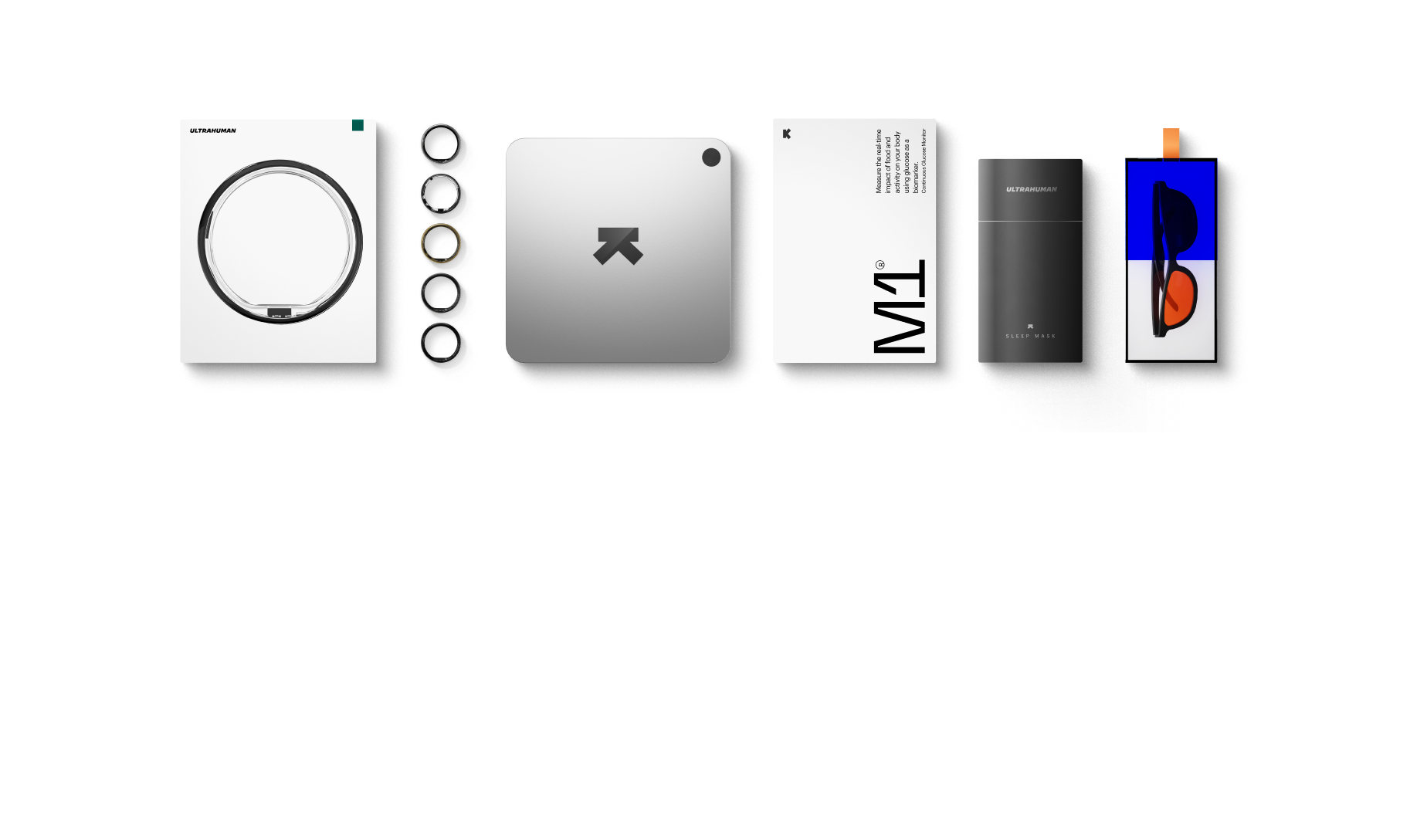
Ultrahuman M1 helps you measure the impact of food and activity on your body in real time through glucose as a biomarker.

Explore Ultrahuman M1

Find Glucose response for your favourite foods

Explore OGDb