
Introducing Pulsomics. Contribute to science. Learn MoreIntroducing Pulsomics. Contribute to science.
M2 Live is here. Continuous Glucose Tracking, no Rx
Introducing Pulsomics. Contribute to science. Learn MoreIntroducing Pulsomics. Contribute to science.
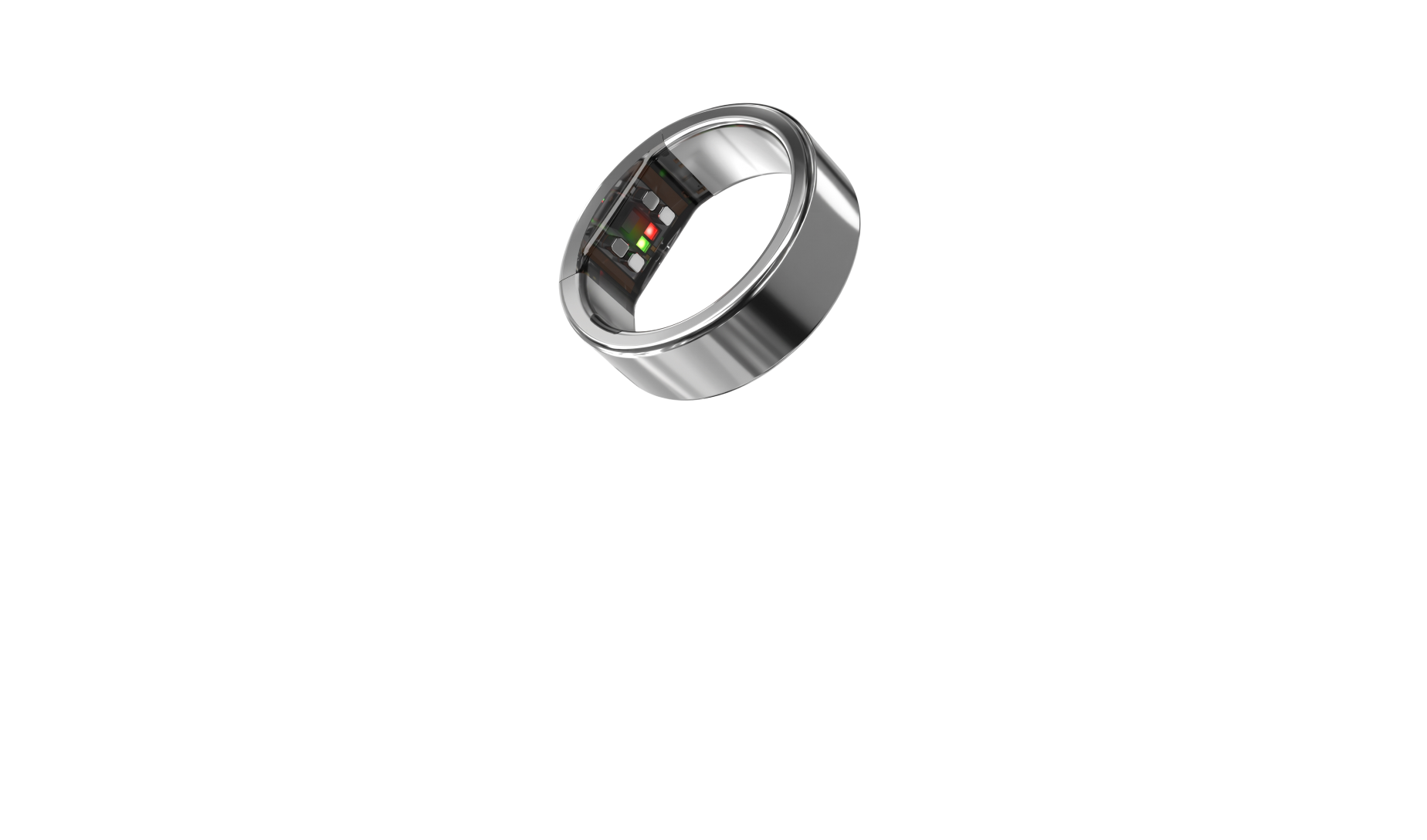
Ultrahuman Ring
Choose the ring built for you.

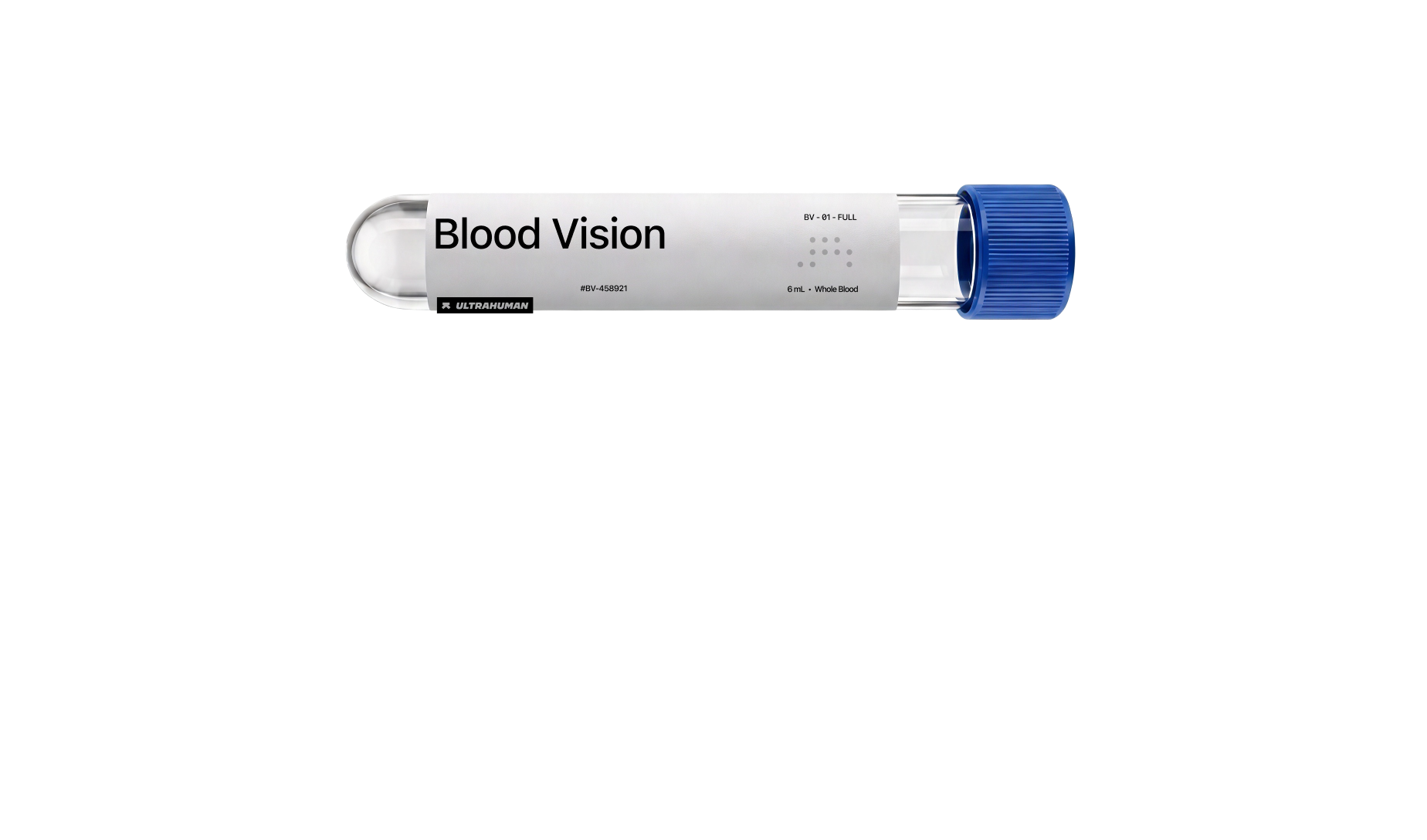
Performance Lab
Train, test and recover at our Bengaluru facility.


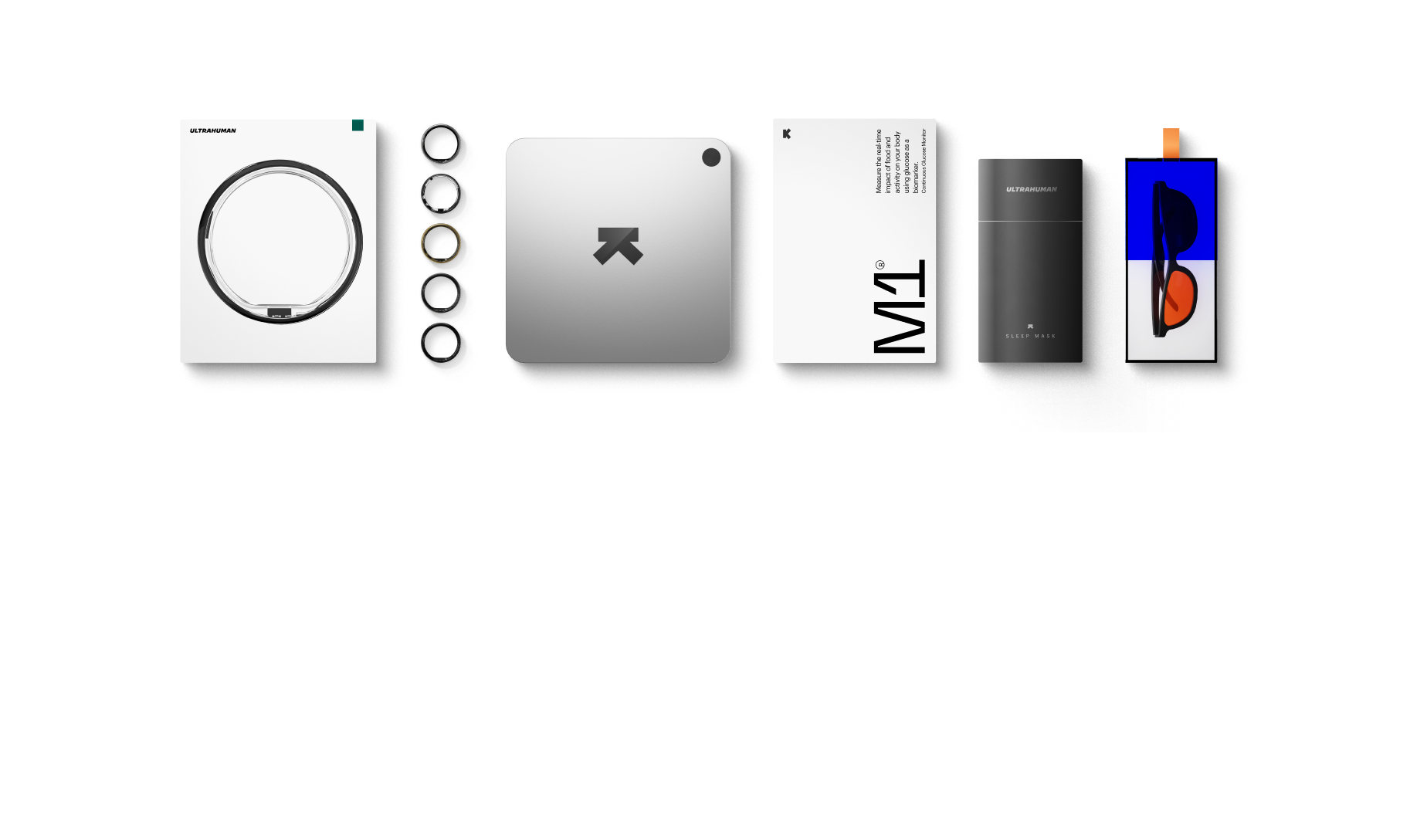
Science & Research

Dried Fish (1 Cup)
 Dinner
146 mg/dL
avg. peak value
Usually causes a small spike
Avg. Food Score on Ultrahuman App
60%
Ultrahuman Users got a STABLE response
How to consume dried fish without glucose spikes
Pair with Fiber-rich Foods
Include foods such as vegetables, legumes, or whole grains alongside dried fish to slow down digestion and help stabilize blood sugar levels.
Incorporate Healthy Fats
Add sources of healthy fats like avocado, nuts, or seeds to your meal. These can help reduce the absorption rate of glucose.
Include Protein-rich Sources
Consume the dried fish along with other protein-rich foods like eggs or tofu to help mitigate the glucose spike.
Opt for Vinegar
Add a small amount of vinegar-based dressing or sauce to your meal. The acetic acid can help lower blood sugar levels post-meal.
Hydrate
Drink plenty of water before and during your meal to help with digestion and maintain blood sugar levels.
Moderate Portion Sizes
Be mindful of the quantity of dried fish you consume to manage the glucose load.
Choose Whole, Unprocessed Dried Fish
Opt for varieties with little to no added sugars or preservatives to minimize additional blood sugar elevation.
Time Your Meal Appropriately
Consider having dried fish during a larger meal rather than as a standalone snack to reduce the impact on blood sugar.
Add a Citrus Element
Include lemon or lime juice, which can add flavor and have a moderating effect on blood sugar levels.
Stay Physically Active
Engage in light physical activity like walking after your meal to help lower blood sugar levels effectively.

Discover
metabolic
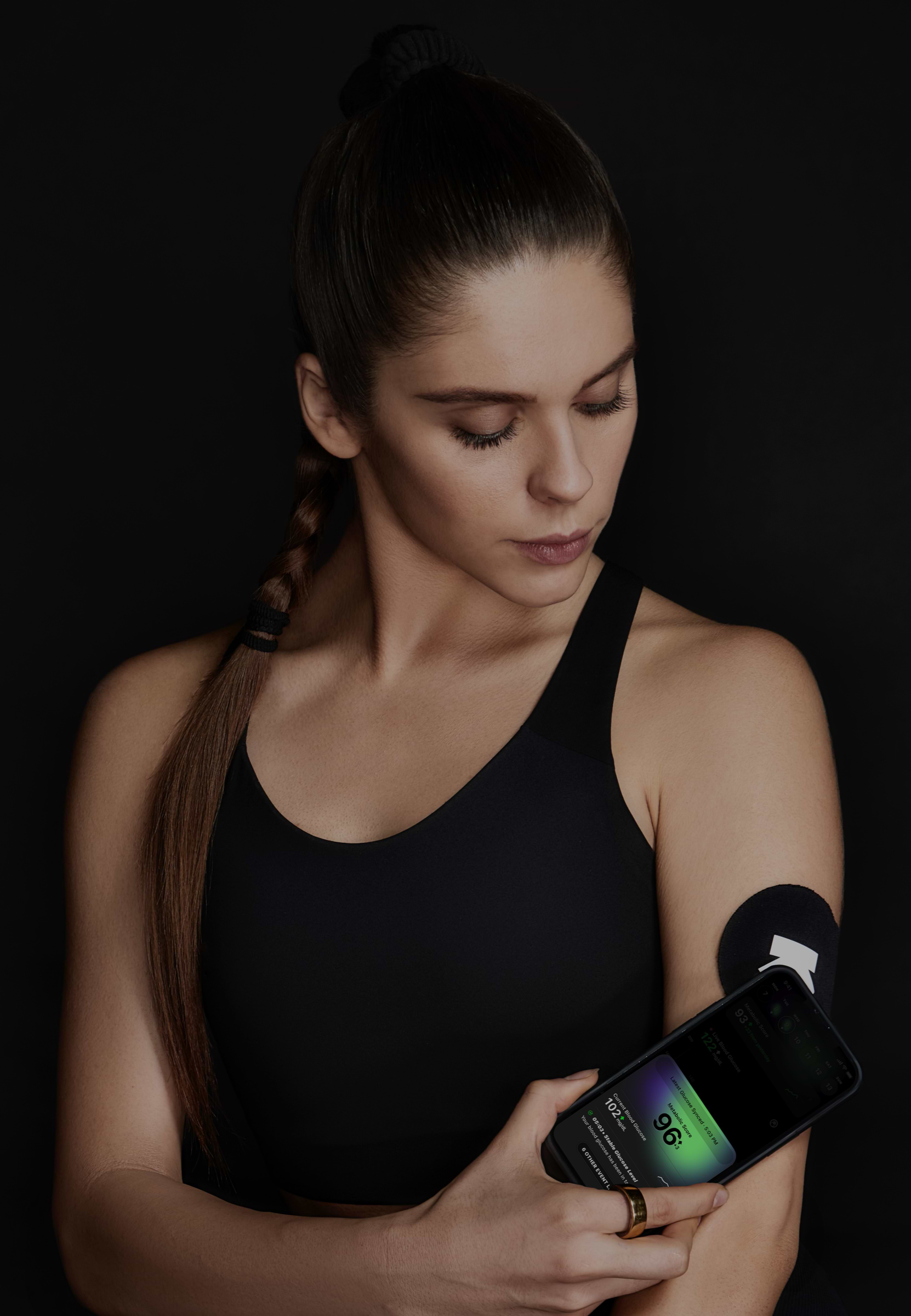
health with M1
Ultrahuman M1 helps you measure the impact of food and activity on your body in real time through glucose as a biomarker.
Explore Ultrahuman M1Find Glucose response for your favourite foods
Explore OGDbYour cart is empty
Looks like you haven't added anything yet. Explore our products to get started.