




Vegetable Biryani (1 Cup) and English Dal Makhani (100 G)
 Lunch
Lunch
137 mg/dL
avg. peak value
Usually has a stable response
Avg. Food Score on Ultrahuman App
67%
Ultrahuman Users got a STABLE response
How to consume english dal makhani, vegetable biryani without glucose spikes
Portion Control
Reduce the portion size of the dal makhani and vegetable biryani to limit the intake of carbohydrates that can cause spikes in glucose levels.
Add Protein
Include a source of lean protein such as grilled chicken, tofu, or paneer to your meal. Proteins can help slow down the absorption of carbohydrates.
Incorporate Healthy Fats
Add a side of avocados or a handful of nuts like almonds or walnuts. Healthy fats can also help in moderating glucose spikes.
Include Non-Starchy Vegetables
Serve with a side salad that includes greens like spinach, kale, or cucumbers. These vegetables provide fiber and help in stabilizing blood sugar levels.
Use Whole Grains
If possible, prepare the vegetable biryani with brown rice or quinoa instead of white rice to increase fiber content.
Add Fermented Foods
Include a small serving of yogurt or a few spoonfuls of kimchi. Fermented foods contain probiotics that can aid in digestion and help regulate blood sugar.
Stay Hydrated
Drink plenty of water throughout the meal and the day. Adequate hydration helps in maintaining optimal metabolic function.
Be Mindful of Cooking Methods
Avoid deep frying ingredients. Opt for boiling, steaming, or sautéing with minimal oil to maintain a healthier dish.
Add Lemon Juice
Squeeze fresh lemon juice over the meal. The acidity in lemon juice can help slow digestion and absorption of carbohydrates.
Exercise Post-Meal
Engage in light physical activity, such as a walk, after eating to help your body use up the glucose more effectively.

Discover
metabolic
health with M1
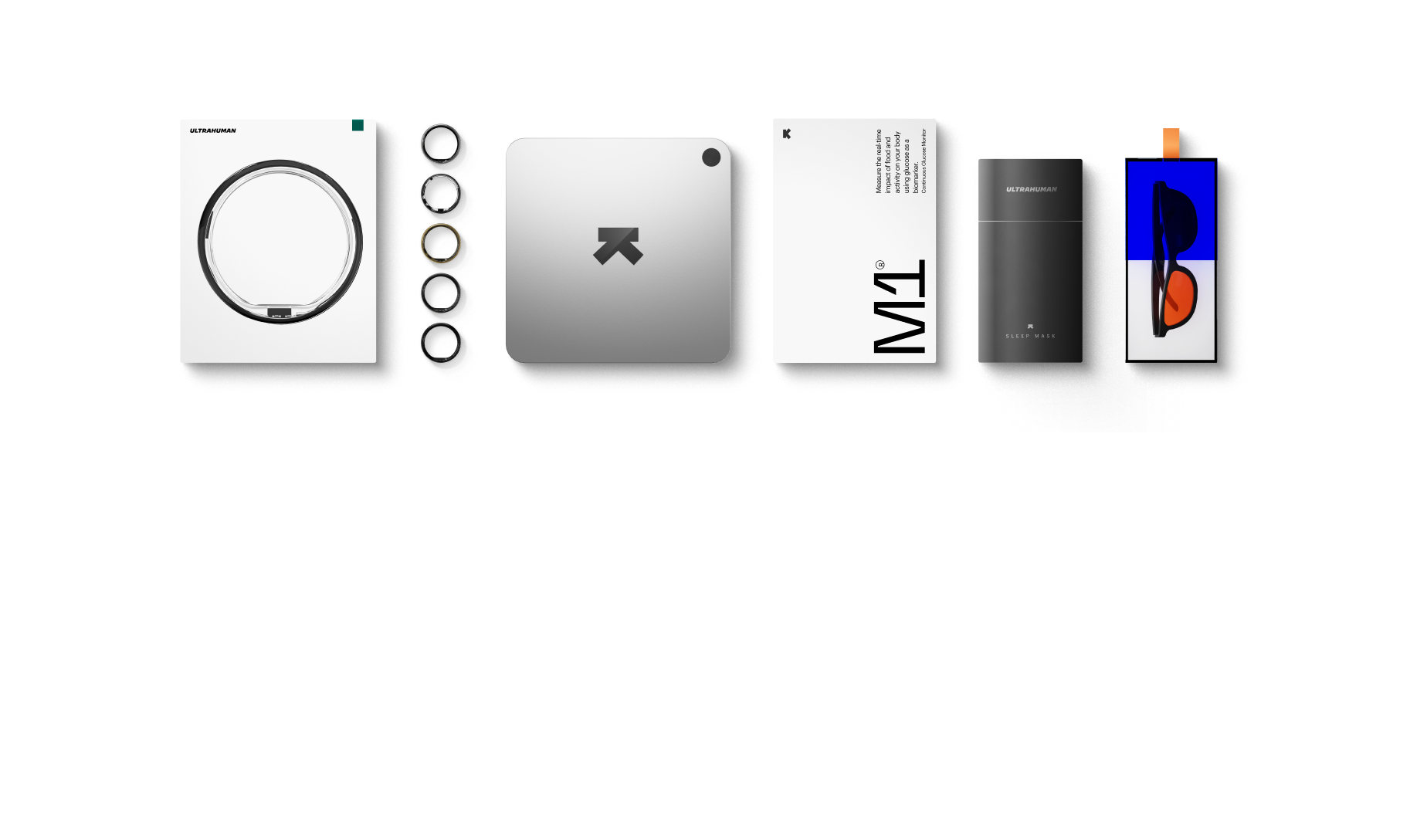
Ultrahuman M1 helps you measure the impact of food and activity on your body in real time through glucose as a biomarker.
Explore Ultrahuman M1Find Glucose response for your favourite foods
Explore OGDb