


Khichdi (1 Cup, Cooked) and English Ghee (1 Tablespoon)
 Lunch
Lunch
157 mg/dL
avg. peak value
Usually causes a large spike
Avg. Food Score on Ultrahuman App
83%
Ultrahuman Users got an UNSTABLE response
How to consume english ghee, khichdi without glucose spikes
Portion Control
Start by reducing the portion size of the khichdi and ghee. Smaller portions can help minimize blood sugar spikes.
Increase Fiber
Add high-fiber vegetables like spinach, broccoli, or bell peppers to your khichdi. Fiber can help slow down the absorption of carbohydrates.
Add Protein
Include a source of protein such as lentils, chickpeas, or a side of grilled chicken or tofu. Protein can help stabilize blood sugar levels.
Healthy Fats
Use a moderate amount of healthy fats like olive oil or avocado instead of ghee, which can help in moderating glucose absorption.
Include Whole Grains
Use whole grain rice or add quinoa or barley to your khichdi. These grains are digested more slowly, helping to prevent spikes.
Hydration
Drink plenty of water throughout the day. Proper hydration can help your body regulate glucose levels more effectively.
Physical Activity
Engage in light physical activity post-meal, such as a short walk, to help your muscles use up some of the glucose.
Mindful Eating
Eat slowly and mindfully, paying attention to hunger cues. This can help prevent overeating, which can lead to larger glucose spikes.
Monitor Timing
Consider eating your largest meal earlier in the day when your body may be more efficient at processing glucose.
Regular Check-ups
Keep track of your glucose levels regularly and consult with a healthcare professional to tailor dietary strategies effectively.
Discover
metabolic
health with M1
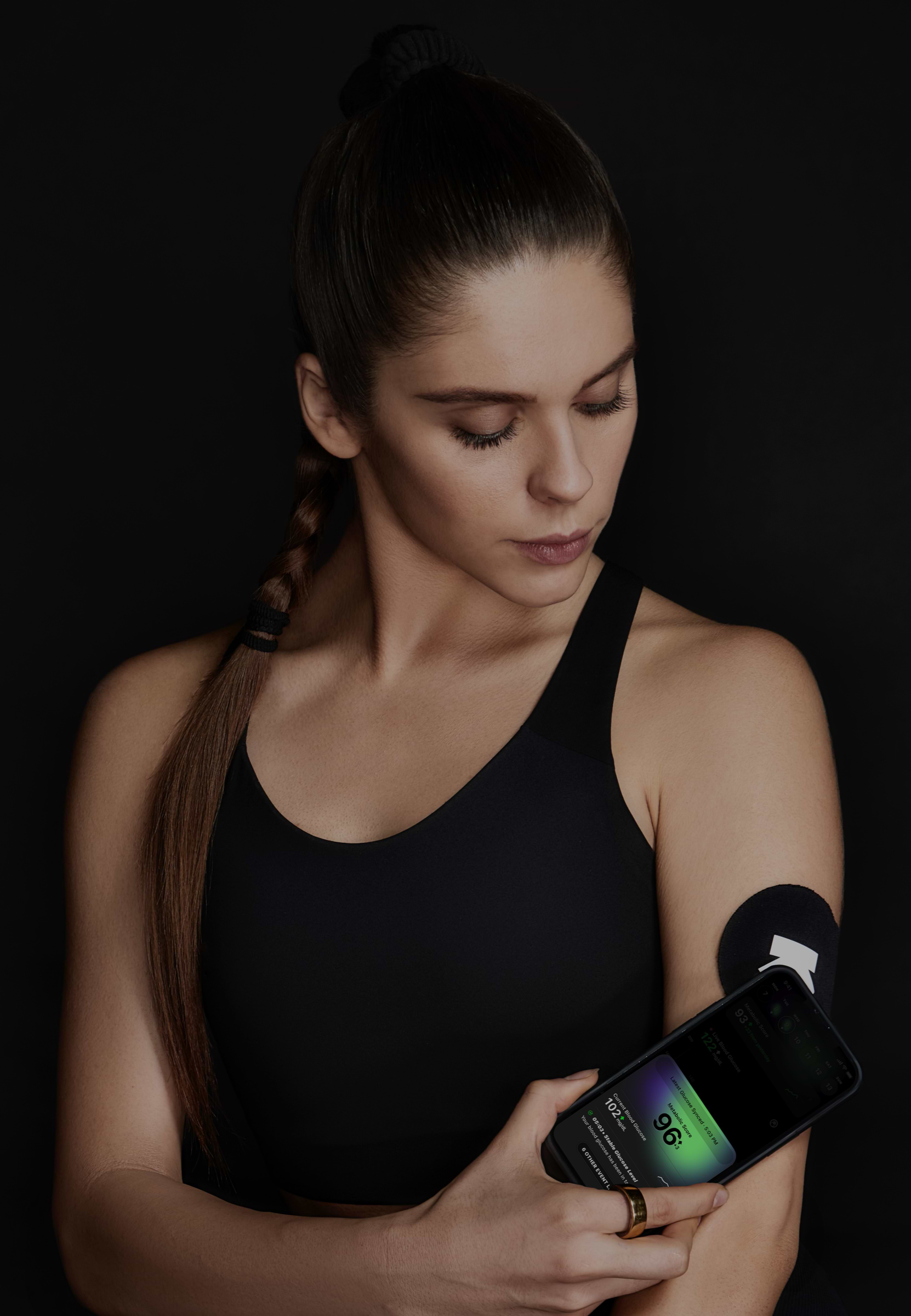
Ultrahuman M1 helps you measure the impact of food and activity on your body in real time through glucose as a biomarker.
Explore Ultrahuman M1Find Glucose response for your favourite foods
Explore OGDb