
Introducing Pulsomics. Contribute to science. Learn MoreIntroducing Pulsomics. Contribute to science.
M2 Live is here. Continuous Glucose Tracking, no Rx
Introducing Pulsomics. Contribute to science. Learn MoreIntroducing Pulsomics. Contribute to science.
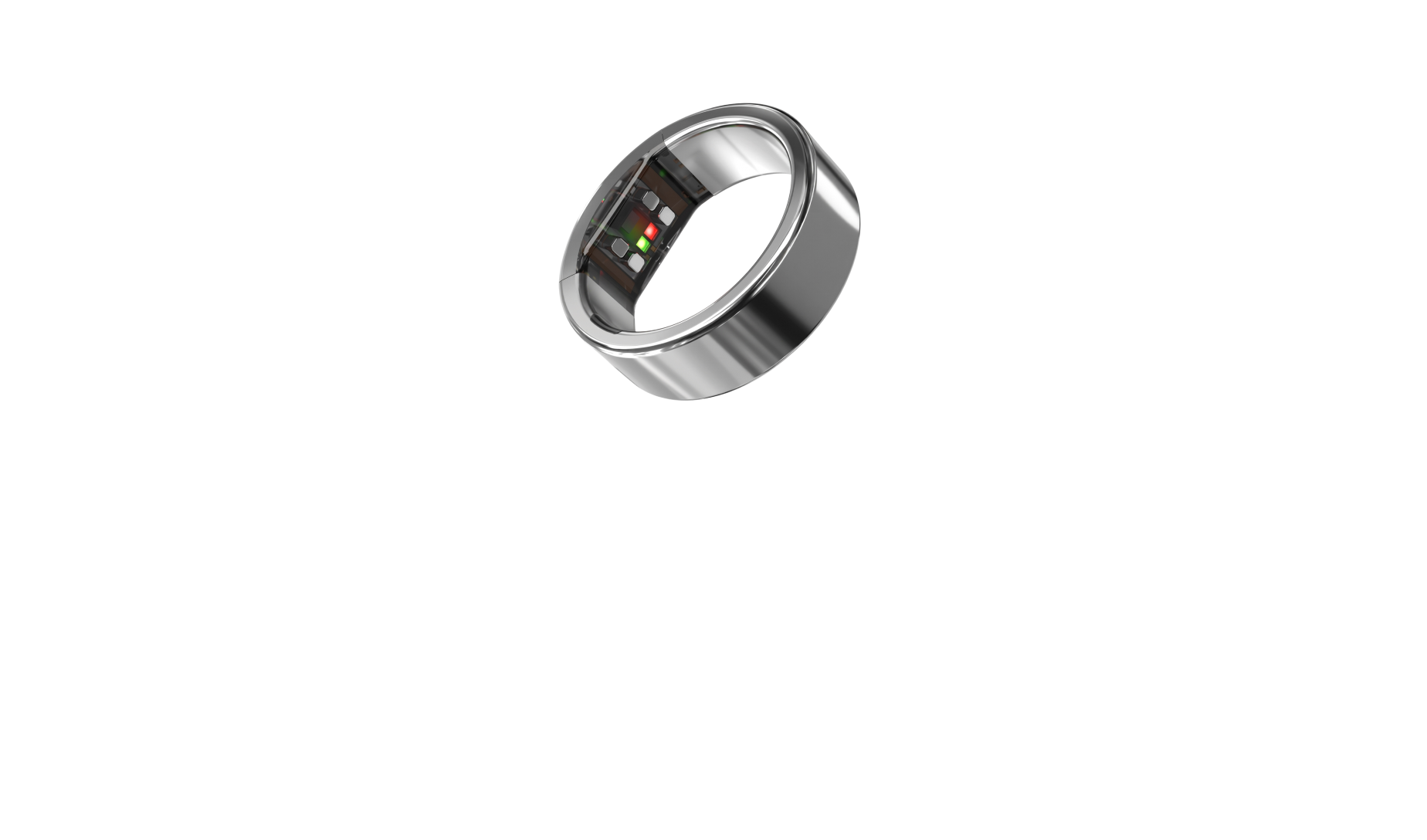
Ultrahuman Ring
Choose the ring built for you.



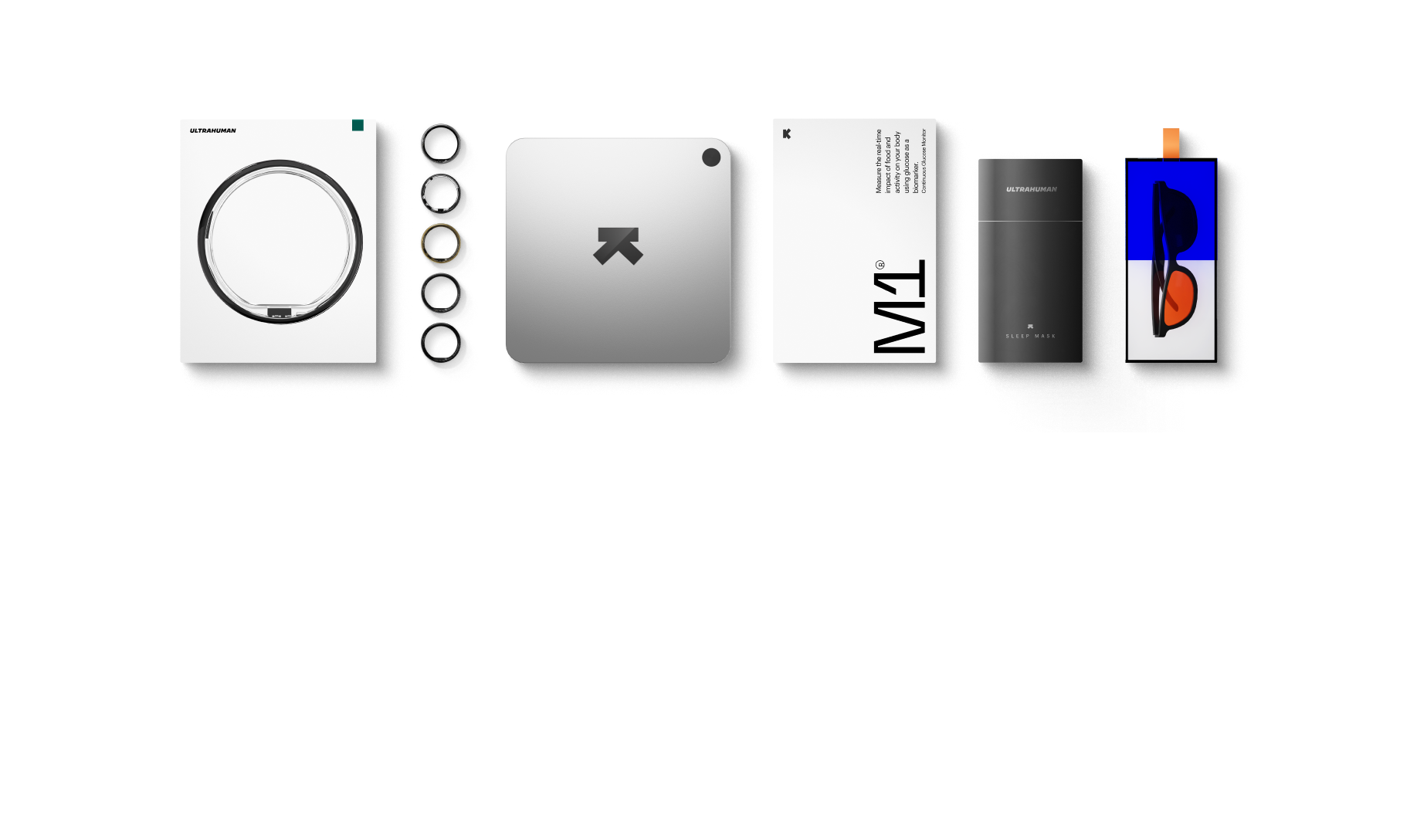
Performance Lab
Train, test and recover at our Bengaluru facility.


Science & Research

English Indian Pesarattu (1 Piece) and Peanut Chutney (Saravana Bhavan) (1 Serving)
 Breakfast
151 mg/dL
avg. peak value
Usually causes a medium spike
Avg. Food Score on Ultrahuman App
100%
Ultrahuman Users got an UNSTABLE response
How to consume english indian pesarattu, peanut chutney without glucose spikes
Keep the pesarattu portion modest (for example, one medium), and avoid adding rice, potato filling, sweet chutney, or sweetened drinks to the meal.
Increase the mung-bean batter proportion and use minimal oil; skip refined-flour additions that can make the dosa more rapidly absorbed.
Pair it with a generous serving of non-starchy vegetables such as spinach, mushrooms, cucumber, tomato, cabbage, or okra.
Keep peanut chutney to a small serving and prepare it without sugar, jaggery, or sweetened coconut; add extra roasted peanuts or unsweetened yogurt for more protein and fat.
Add a protein side such as eggs, paneer, tofu, or plain unsweetened Greek yogurt to slow the meal’s glucose rise.
Take a 10–20 minute easy walk soon after eating, and avoid lying down or having dessert immediately afterward.
Powered by ChatGPT. ChatGPT's information is based on machine learning and may not be entirely accurate or reliable. Consult a healthcare professional before changing your lifestyle, diet or treatment. We don't endorse any specific foods, products and assume no liability for any loss or damage caused by relying on ChatGPT.

Discover
metabolic
health with M2
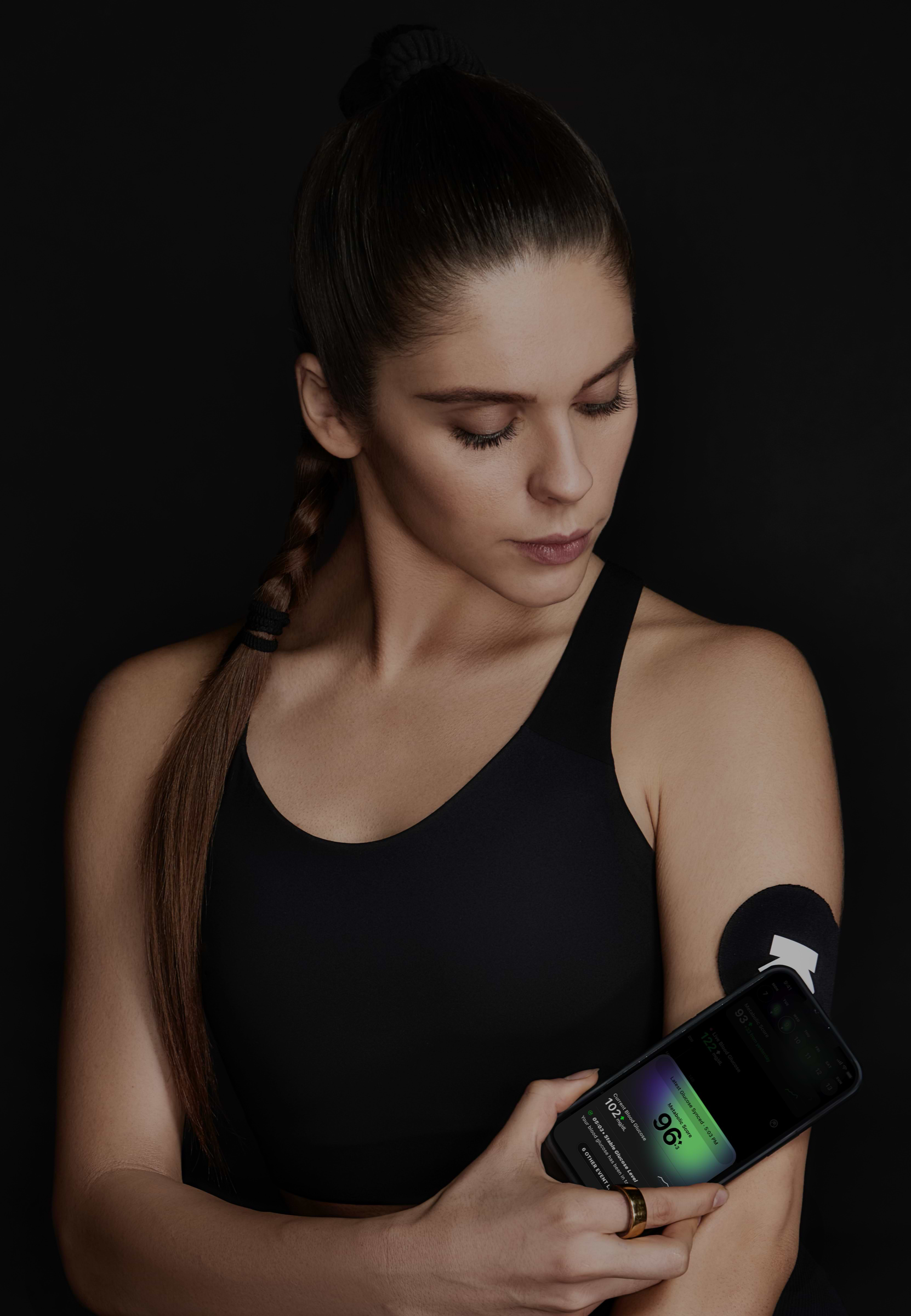
Ultrahuman M2 helps you measure the impact of food and activity on your body in real time through glucose as a biomarker.
Explore Ultrahuman M2Find Glucose response for your favourite foods
Explore OGDbYour cart is empty
Looks like you haven't added anything yet. Explore our products to get started.