
Loading...

White Rice (100 G), English Indian Sabji (100 G) and Roti (1 piece)

food-timeLunch

159 mg/dL

avg. peak value

Usually has a stable response

6

Avg. Food Score on Ultrahuman App

50%

Ultrahuman Users got a STABLE response

How to consume english indian sabji, roti, white rice without glucose spikes

Incorporate More Vegetables

Increase the proportion of non-starchy vegetables in your meal. Consider adding cooked leafy greens, broccoli, or cauliflower to your plate to help slow down the absorption of carbohydrates.

Opt for Whole Grains

Instead of white rice, try substituting with brown rice, quinoa, or barley. These alternatives digest more slowly and are less likely to cause a spike.

Use Whole Wheat Roti

Choose roti made from whole wheat flour instead of refined flour. Whole wheat has more fiber, which helps in moderating blood sugar levels.

Add Protein Sources

Include a source of lean protein such as lentils, chickpeas, or tofu in your meal. Protein slows down digestion and reduces the likelihood of a glucose spike.

Incorporate Healthy Fats

Add a small amount of healthy fats like avocado, nuts, or seeds to your meal. Fats further slow down the digestion of carbohydrates.

Portion Control

Be mindful of serving sizes, especially for the rice and roti. Smaller portions will naturally reduce the intake of carbohydrates.

Stay Hydrated

Drink water before and during your meal to help regulate digestion and absorption of food.

Include a Salad

Start your meal with a salad made of mixed greens, cucumbers, and tomatoes, as this can help fill you up and reduce the consumption of higher-carb foods.

Cook with Spices

Use spices like turmeric, cinnamon, and fenugreek in your sabji, as they may help in managing blood sugar levels.

Eat Slowly and Mindfully

Take your time to chew and savor your food. This practice can prevent overeating and help your body better regulate blood sugar levels after eating.

healthspan-mbl

Discover
metabolic
health with M1

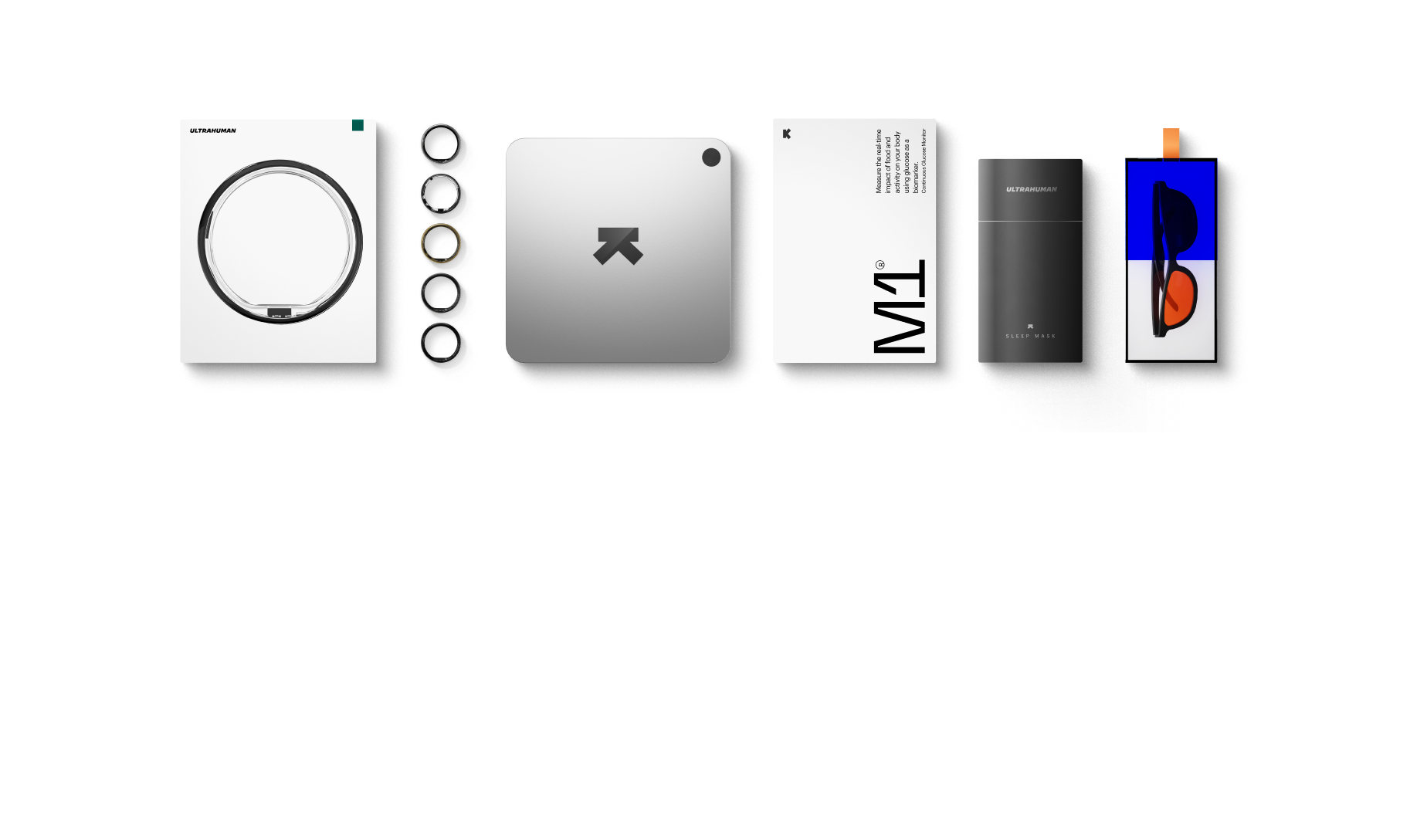
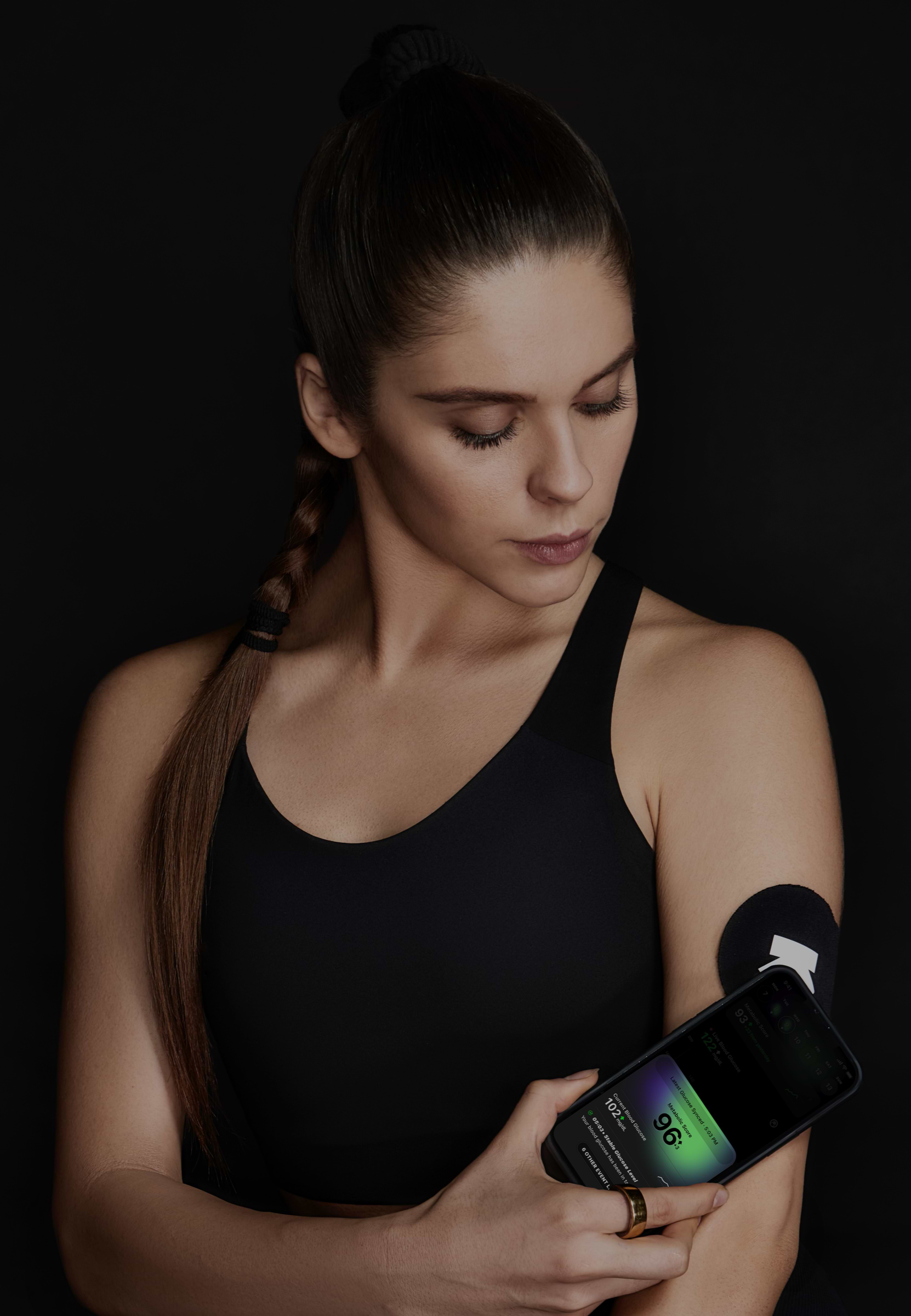
Ultrahuman M1 helps you measure the impact of food and activity on your body in real time through glucose as a biomarker.

Explore Ultrahuman M1

Find Glucose response for your favourite foods

Explore OGDb