

Khichdi (1 Cup, Cooked) and English Raita (1 Serving (30g))
 Dinner
126 mg/dL
avg. peak value
Usually causes a small spike
Avg. Food Score on Ultrahuman App
Ultrahuman Users got a STABLE response
How to consume english raita, khichdi without glucose spikes
Increase Portion of Vegetables
Add a larger portion of low-starch vegetables such as spinach, cucumbers, or tomatoes to your meal. These can complement the khichdi and raita and help balance the overall impact on your blood sugar.
Add Protein
Incorporate a source of protein like grilled chicken, tofu, or legumes. Protein can help slow down the absorption of carbohydrates, thus moderating glucose spikes.
Incorporate Healthy Fats
Include a small amount of healthy fats, such as avocado slices or a sprinkle of nuts and seeds (like almonds or flaxseeds). These can help stabilize blood sugar levels.
Use Whole Grains
If possible, prepare your khichdi using whole grains such as brown rice or quinoa instead of white rice to slow carbohydrate absorption.
Monitor Portion Sizes
Be mindful of portion sizes for both the raita and khichdi. Smaller portions can help manage the overall carbohydrate intake, reducing the likelihood of a glucose spike.
Add Fiber
Increase the fiber content by mixing in higher-fiber ingredients like peas, carrots, or a tablespoon of chia seeds to the khichdi. This can slow digestion and glucose absorption.
Stay Hydrated
Drink water before and during your meal. Staying hydrated can help with digestion and reduce the concentration effects of sugar in the blood post-meal.
Include a Side Salad
Start your meal with a fresh salad made of greens and raw vegetables. This can help fill you up and reduce the amount you might eat of higher carbohydrate foods.
Use Low-Fat Yogurt
When making raita, opt for low-fat or Greek yogurt. It provides a good source of protein and can help moderate sugar release.
Practice Mindful Eating
Eat slowly and mindfully, paying attention to hunger and fullness cues. This practice can prevent overeating and aid in better digestion, reducing the risk of a spike.
Discover
metabolic
health with M1
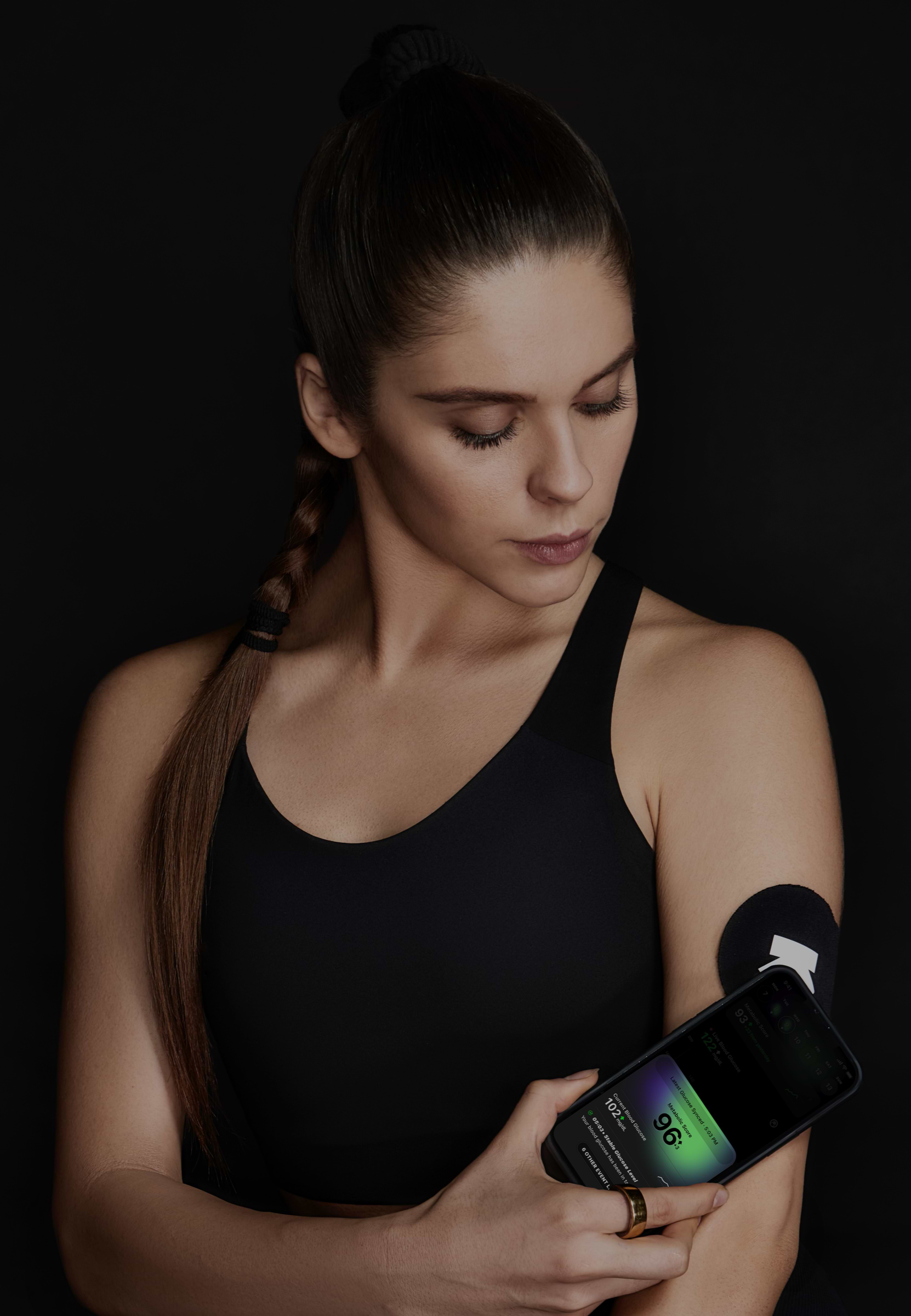
Ultrahuman M1 helps you measure the impact of food and activity on your body in real time through glucose as a biomarker.
Explore Ultrahuman M1Find Glucose response for your favourite foods
Explore OGDbYour cart is empty
Looks like you haven't added anything yet. Explore our products to get started.