
Loading...

Fruit Yoghurt (Milky Mist) (1 Serving)

food-timeLunch

How to consume Fruit Yoghurt without glucose spikes

Choose Low-Sugar Varieties

Opt for fruit yoghurts that have no added sugars or are labeled as "light" or "diet." These options typically contain fewer carbohydrates that can contribute to glucose spikes.

Add Fiber-Rich Foods

Include a topping of fiber-rich foods such as chia seeds, flaxseeds, or a small serving of oats. These can help slow down the absorption of sugar in the bloodstream.

Pair with Protein

Incorporate a source of protein, like a handful of nuts or a scoop of protein powder, to your fruit yoghurt to help stabilize blood sugar levels.

Control Portion Size

Eat smaller portions of fruit yoghurt to reduce the overall amount of sugar intake, thus minimizing potential glucose spikes.

Select Whole Fruits

Mix in fresh or frozen fruits such as berries or cherries, which are naturally lower in sugar compared to processed fruit yoghurts.

Include Cinnamon

Sprinkle a small amount of cinnamon on your yoghurt. Cinnamon can enhance insulin sensitivity and help manage blood sugar levels.

Read Labels Carefully

Check nutrition labels to choose yoghurts with lower carbohydrate and sugar content, and avoid those with high fructose corn syrup or other high-sugar ingredients.

Opt for Plain Yoghurt

Start with plain yoghurt and add your own low-sugar fruits and natural sweeteners like stevia or monk fruit.

Incorporate Healthy Fats

Add a small portion of healthy fats such as avocado or a teaspoon of natural nut butter to your yoghurt to slow down sugar absorption.

Stay Hydrated

Drink water before consuming yoghurt to help with digestion and potentially slow down the rate at which sugar enters the bloodstream.

healthspan-mbl

Discover
metabolic
health with M1

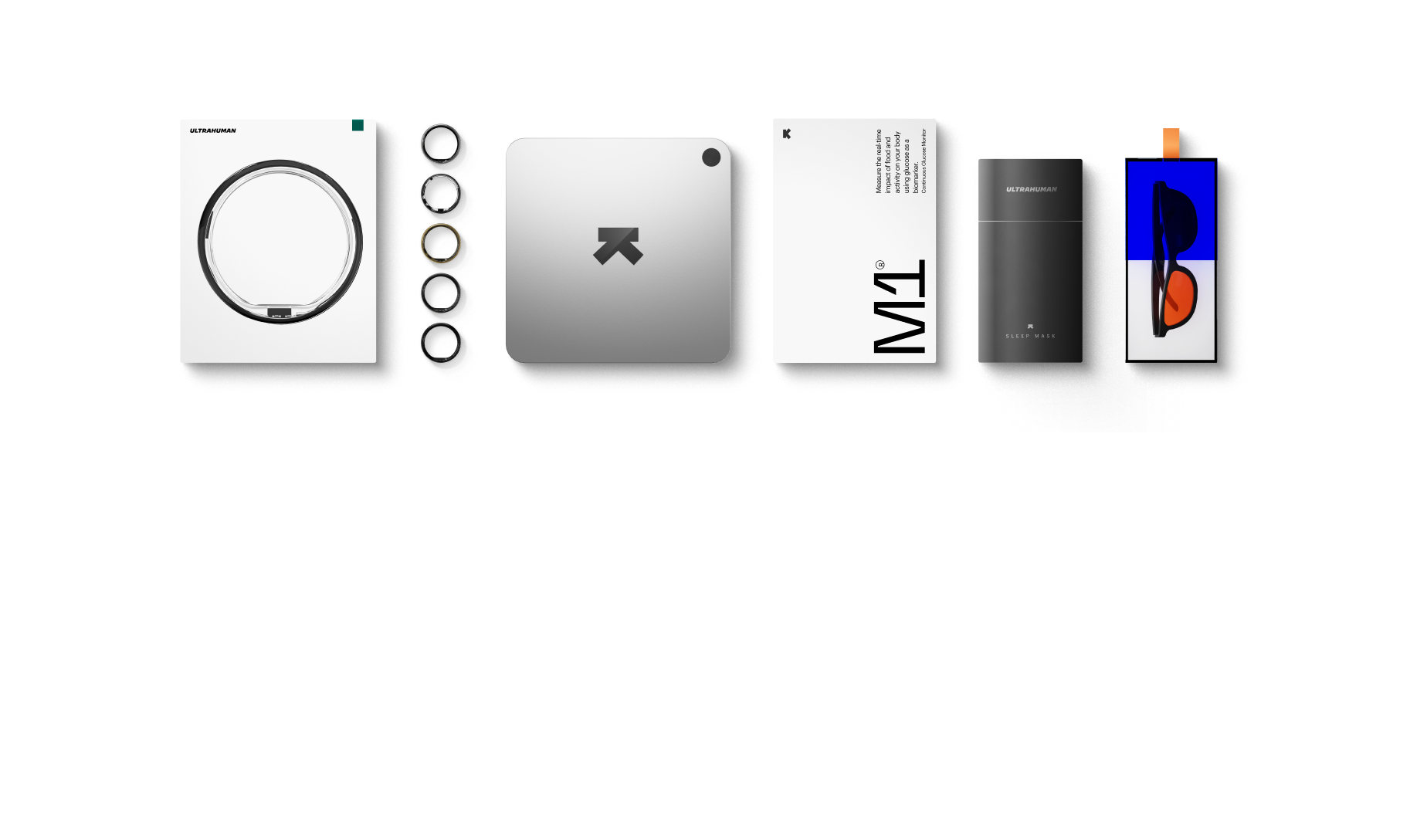
Ultrahuman M1 helps you measure the impact of food and activity on your body in real time through glucose as a biomarker.

Explore Ultrahuman M1

Find Glucose response for your favourite foods

Explore OGDb