


White Rice (1 Cup, Cooked) and Kabuli Chana Chickpeas (Patanjali) (1 Serving)
 Lunch
140 mg/dL
avg. peak value
Usually causes a large spike
Avg. Food Score on Ultrahuman App
100%
Ultrahuman Users got an UNSTABLE response
Other related foods
How to consume Kabuli Chana Chickpeas, White Rice without glucose spikes
Reduce the white-rice portion substantially and make chickpeas the larger share of the meal; avoid seconds and sweet drinks alongside it.
Replace white rice with cooked barley, quinoa, or lentils, and keep portions moderate.
Add plenty of non-starchy vegetables such as broccoli, spinach, okra, cauliflower, peppers, or salad to slow digestion and increase meal volume.
Include protein and healthy fats with the meal—for example eggs, fish, chicken, tofu, plain Greek yogurt, nuts, or seeds—rather than eating rice and chickpeas alone.
Choose firm, less-cooked chickpeas when possible, and avoid mashing or pureeing them; intact legumes tend to raise glucose more gradually.
Take a 10–20 minute easy walk after eating and check your personal response with your usual glucose-monitoring plan.
Powered by ChatGPT. ChatGPT's information is based on machine learning and may not be entirely accurate or reliable. Consult a healthcare professional before changing your lifestyle, diet or treatment. We don't endorse any specific foods, products and assume no liability for any loss or damage caused by relying on ChatGPT.
Discover
metabolic
health with M2
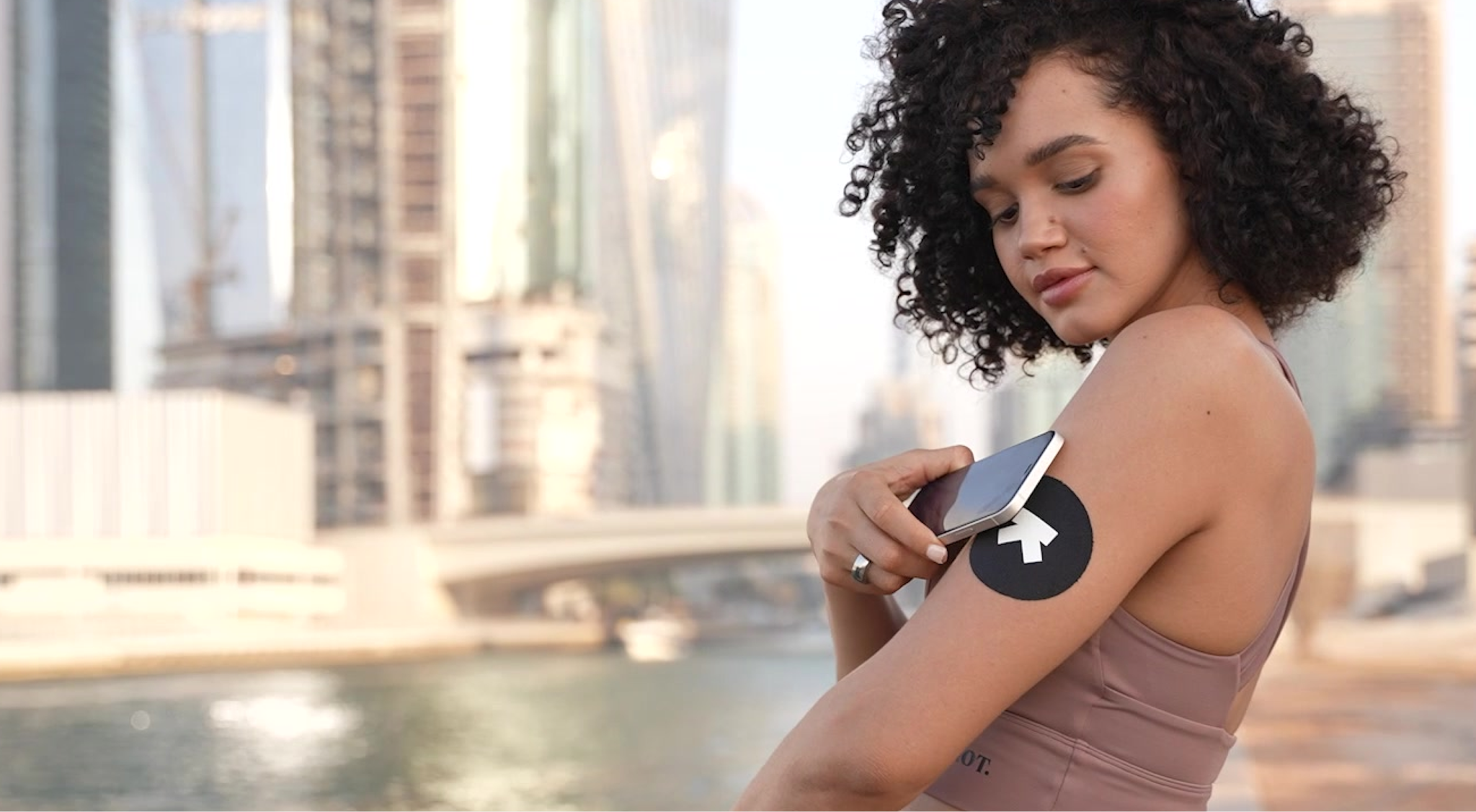
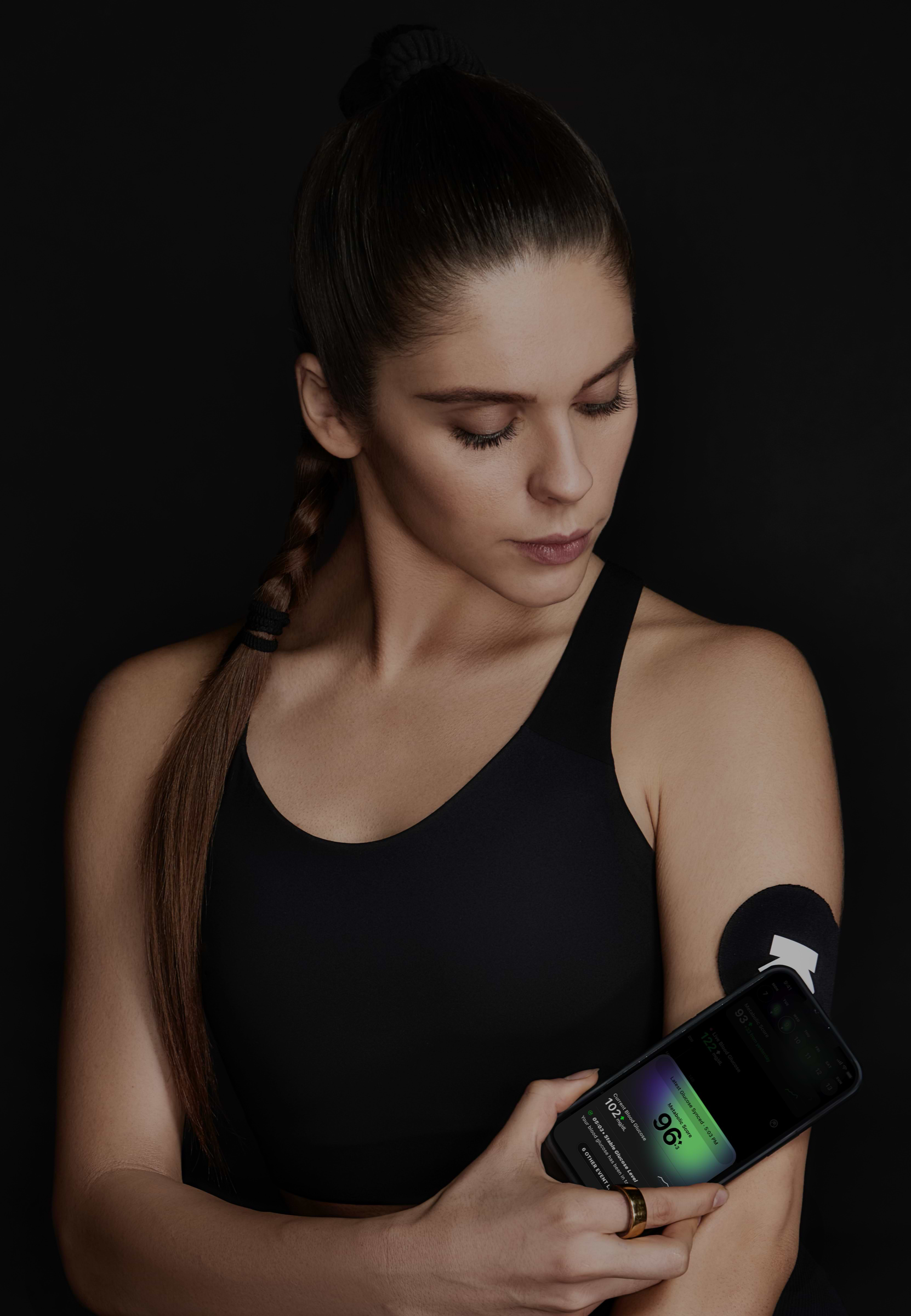
Ultrahuman M2 helps you measure the impact of food and activity on your body in real time through glucose as a biomarker.
Explore Ultrahuman M2Find Glucose response for your favourite foods
Explore OGDbYour cart is empty
Looks like you haven't added anything yet. Explore our products to get started.