
Oats with milk and fruits (1 piece)
Breakfast
129 mg/dL
avg. peak value
Usually causes a large spike
Avg. Food Score on Ultrahuman App
Ultrahuman Users got an UNSTABLE response
How to consume oats with milk and fruits without glucose spikes

Add Protein
Incorporate a source of protein such as nuts or seeds, like almonds, walnuts, or chia seeds, to your oats. This can help slow down the absorption of sugars.
Include Healthy Fats
Add a small serving of avocado or a spoonful of nut butter. Healthy fats can help stabilize blood sugar levels.
Choose Low-Sugar Fruits
Opt for berries such as strawberries, blueberries, or raspberries with your oats, as these fruits tend to have lower sugar content.
Use Plant-Based Milk Alternatives
Consider using unsweetened almond milk or coconut milk instead of regular milk to reduce carbohydrate intake.
Incorporate Fiber
Add a tablespoon of flaxseed or psyllium husk to your oats. These are high in fiber and can help improve blood sugar control.
Optimize Portion Sizes
Keep your servings of oats and fruits moderate to prevent excessive carbohydrate intake at once.
Combine with a Balanced Meal
Pair your oats with a small amount of lean protein, such as a boiled egg, to enhance satiety and manage glucose levels.
Pre-Soak Your Oats
Soak your oats overnight to improve their digestibility and further moderate glucose response.
Limit Added Sugars
Avoid adding sugar or honey to your oats. If sweetness is desired, use a small amount of cinnamon or vanilla extract.
Monitor Meal Timing
Consider consuming your oats as part of a balanced breakfast or meal and avoid having them on an empty stomach to minimize spikes.

Discover
metabolic
health with M1
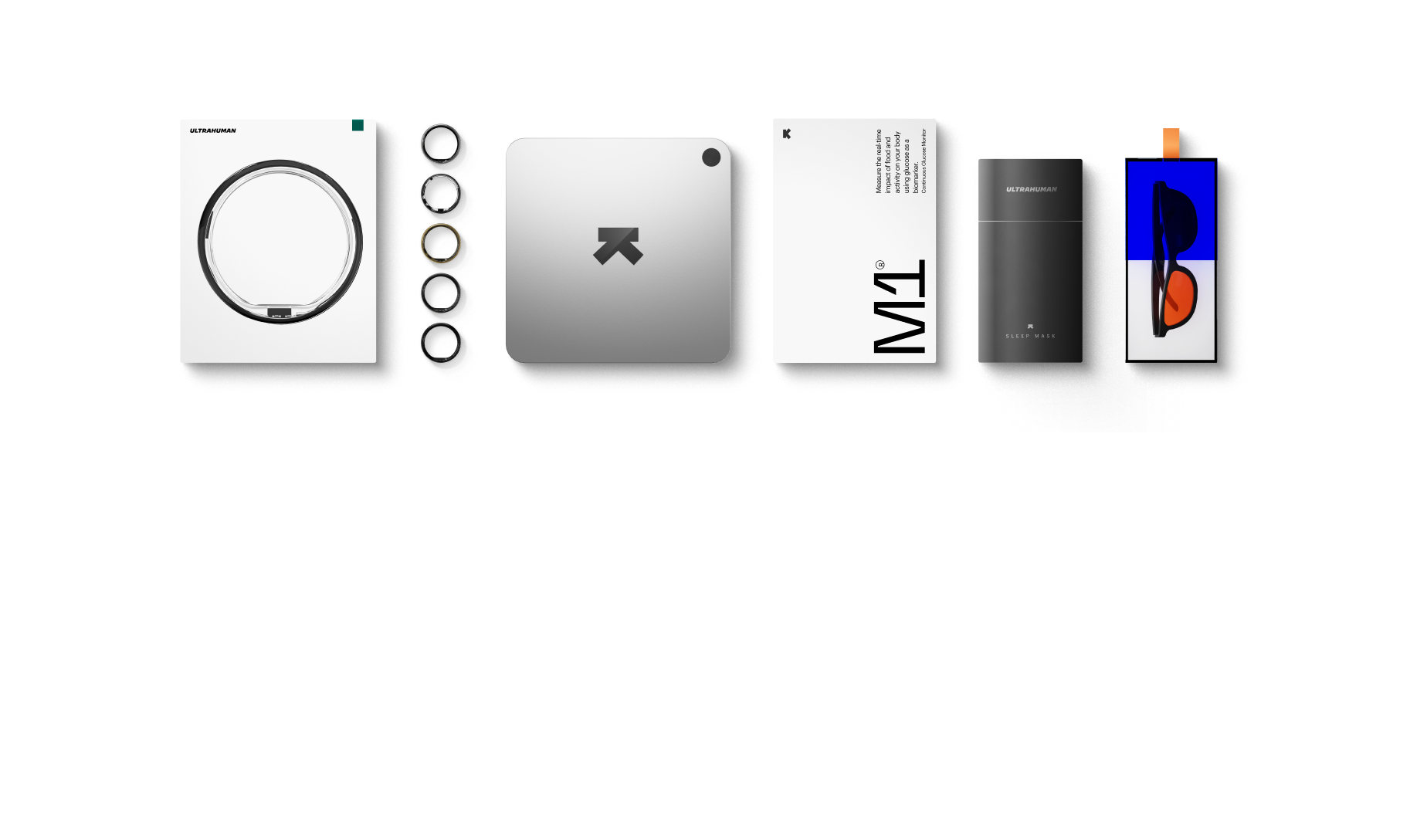
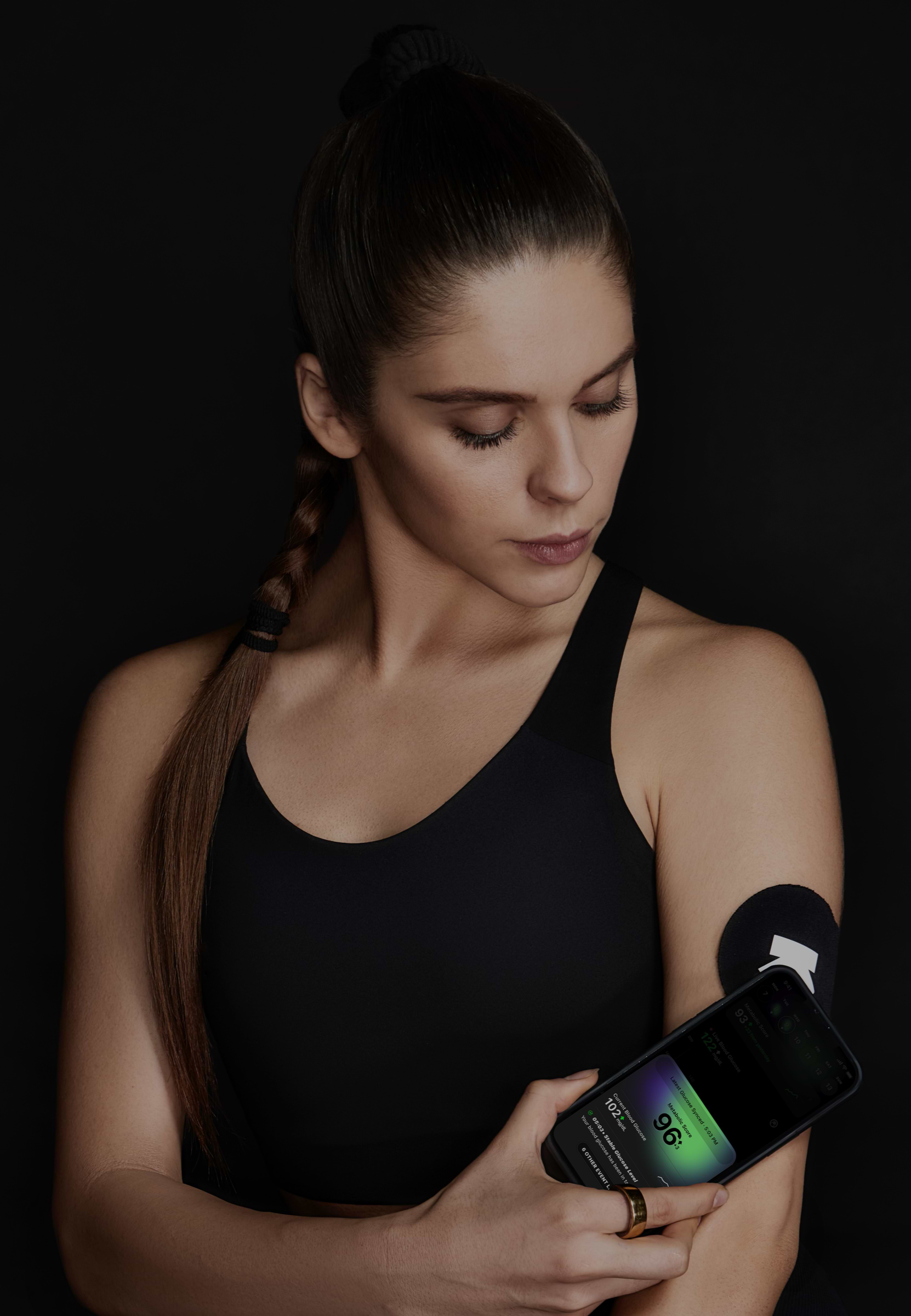
Ultrahuman M1 helps you measure the impact of food and activity on your body in real time through glucose as a biomarker.
Explore Ultrahuman M1Find Glucose response for your favourite foods
Explore OGDbYour cart is empty
Looks like you haven't added anything yet. Explore our products to get started.