
Loading...

Pasta with Tomato Sauce and Cheese (Canned) (1 Cup)

food-timeDinner

How to consume Pasta With Tomato Sauce And Cheese (Canned) without glucose spikes

Portion Control

Reduce the portion size of pasta you consume in one sitting. Smaller portions lead to smaller spikes in glucose levels.

Choose Whole Grain Pasta

Opt for whole grain or whole wheat pasta instead of regular pasta. These options tend to be digested more slowly, which can help manage blood sugar levels.

Add Protein

Include a source of lean protein, such as grilled chicken, turkey, or tofu, in your meal. Protein can help slow down the digestion of carbohydrates.

Incorporate Healthy Fats

Add healthy fats like olive oil, avocado, or a sprinkle of nuts to your pasta dish. Fats can also slow the absorption of carbohydrates.

Load Up on Vegetables

Add non-starchy vegetables such as spinach, bell peppers, zucchini, or broccoli to your pasta. These can add bulk and nutrients without significantly increasing carbohydrate intake.

Experiment with Alternative Pastas

Try pasta alternatives made from lentils, chickpeas, or other legumes. These options are often higher in fiber and protein.

Mind the Sauce

Prepare your tomato sauce using fresh ingredients and limit added sugars. Canned sauces can be high in sugar, which can spike glucose levels.

Include Vinegar

Add a splash of vinegar like balsamic or apple cider to your dish. Vinegar has been shown to help moderate blood sugar levels.

Stay Hydrated

Drink plenty of water throughout your meal. Adequate hydration can assist in regulating blood sugar levels.

Monitor Meal Timing

Try not to eat pasta too late in the evening. Allowing time for digestion before going to bed can help maintain stable blood sugar levels.

Combine with Physical Activity

Consider a brief walk or light exercise after eating to help lower post-meal blood sugar levels.

healthspan-mbl

Discover
metabolic
health with M1

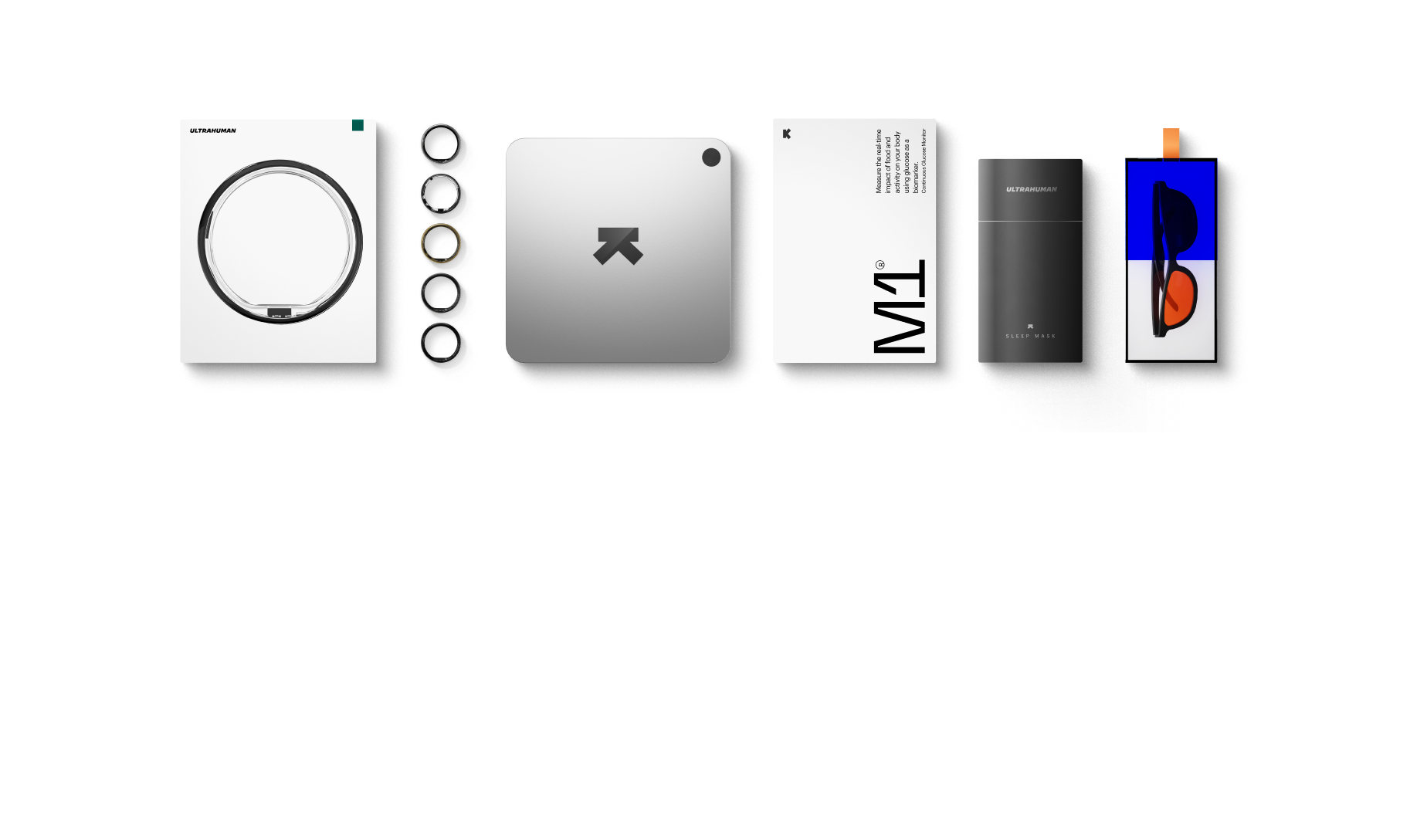
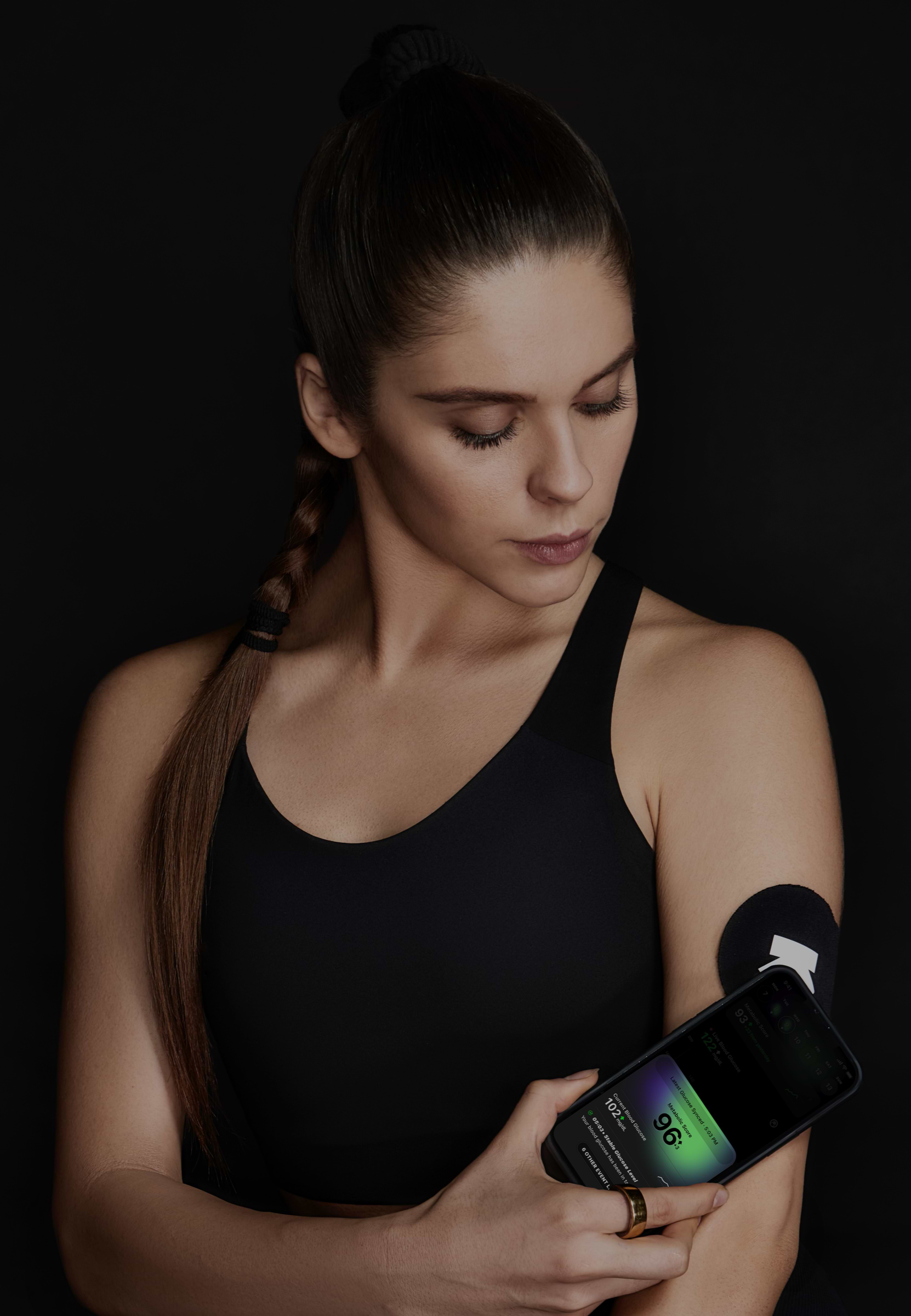
Ultrahuman M1 helps you measure the impact of food and activity on your body in real time through glucose as a biomarker.

Explore Ultrahuman M1

Find Glucose response for your favourite foods

Explore OGDb