
Loading...

Pasta with Vegetables (1 Cup)

food-timeDinner

How to consume Pasta With Vegetables without glucose spikes

Portion Control

Reduce the portion size of the pasta. Consider using a smaller plate to help manage the amount you consume.

Choose Whole Grain Pasta

Swap regular pasta for whole grain or whole wheat pasta, which tends to have a slower impact on blood sugar levels.

Add Protein

Include a lean protein source such as grilled chicken, tofu, or legumes to your meal. This can help slow the absorption of carbohydrates.

Incorporate Healthy Fats

Add healthy fats like olive oil, avocado, or a sprinkle of nuts and seeds. These fats can help moderate the increase in blood sugar levels.

Opt for Low-Sugar Sauces

Use tomato-based sauces with no added sugars rather than creamy or processed sauces that may contain more sugar.

Add More Vegetables

Increase the proportion of non-starchy vegetables in your pasta dish. Vegetables like broccoli, spinach, and bell peppers can add volume and nutrients while minimizing carbohydrate intake.

Cook Pasta Al Dente

Cook pasta until it is just firm to the bite. Firmer pasta takes longer to digest, which can contribute to a slower release of glucose into your bloodstream.

Stay Hydrated

Drink plenty of water before and during your meal. Proper hydration can aid digestion and help regulate blood sugar levels.

Meal Timing

Consider having a small salad or a broth-based soup as a starter. This can help you feel fuller and may prevent overeating the pasta dish.

Monitor Your Response

Keep track of your body's response to different types of pasta and amounts eaten. This can help you find what works best for maintaining stable blood sugar levels.

healthspan-mbl

Discover
metabolic
health with M1

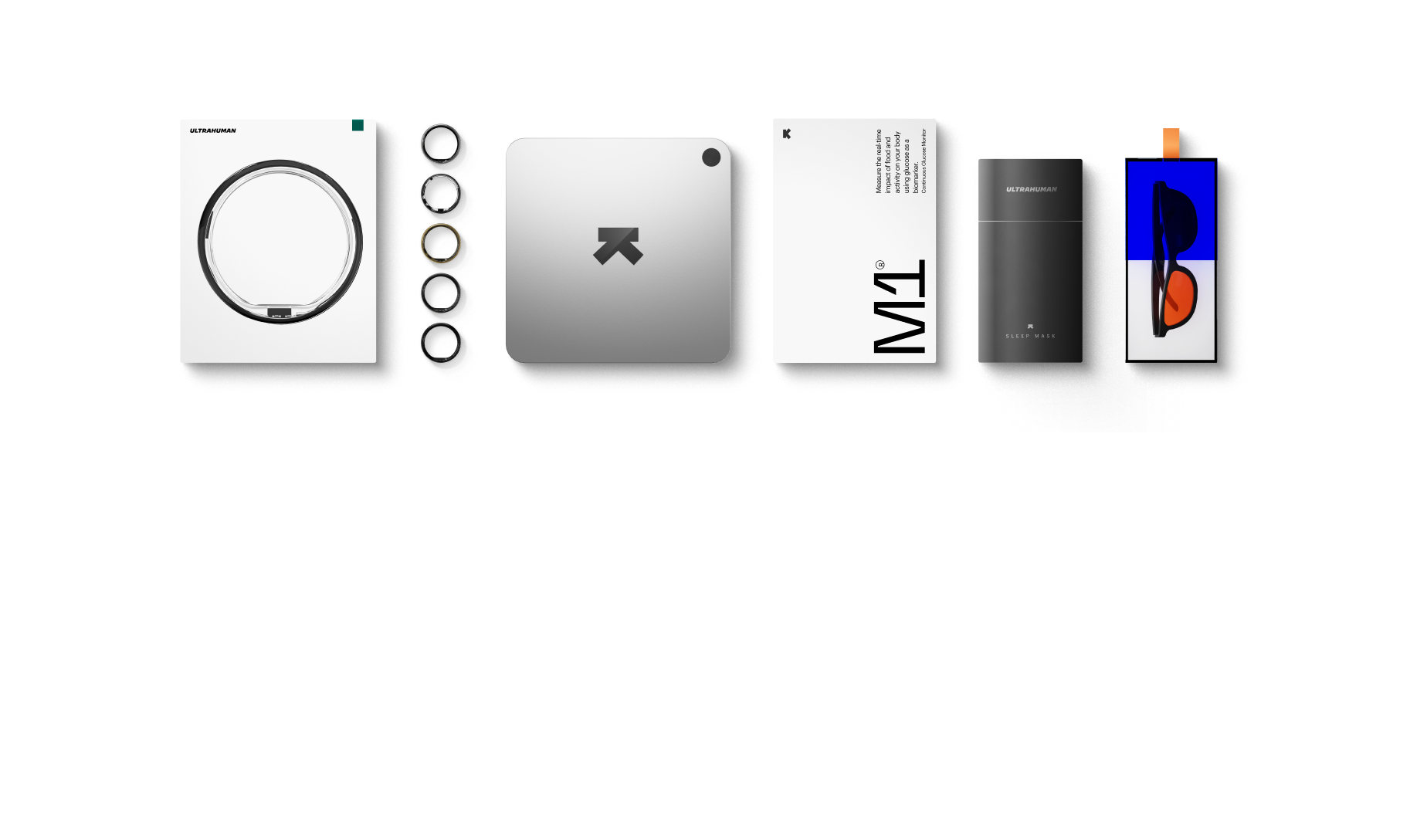
Ultrahuman M1 helps you measure the impact of food and activity on your body in real time through glucose as a biomarker.

Explore Ultrahuman M1

Find Glucose response for your favourite foods

Explore OGDb