

poridge - poridge (1 grams)
 Breakfast
152 mg/dL
avg. peak value
Usually causes a medium spike
Avg. Food Score on Ultrahuman App
Ultrahuman Users got an UNSTABLE response
How to consume poridge - poridge without glucose spikes
Add Protein and Healthy Fats
Incorporate nuts or seeds, such as almonds or chia seeds, into your porridge. Adding a spoonful of nut butter or a few slices of avocado can also help slow down digestion and reduce spikes.
Choose Steel-Cut or Rolled Oats
Opt for less processed oats rather than instant porridge, as they have a slower release of glucose.
Incorporate Fiber-Rich Toppings
Add fruits like berries or a small amount of apple slices. These options are high in fiber and can help moderate blood sugar levels.
Control Portion Size
Reduce the portion size of your porridge and accompany it with a protein source, such as a boiled egg or a slice of cheese, to help balance your meal.
Add Cinnamon
Sprinkle cinnamon on your porridge. It may help improve insulin sensitivity and reduce blood sugar spikes.
Use Unsweetened Milk or Dairy Alternatives
Consider using unsweetened almond milk, coconut milk, or another low-sugar option instead of sweetened or dairy milk.
Avoid Added Sugars
Refrain from adding sugar or syrup to your porridge. Use natural sweeteners like stevia or monk fruit if needed.
Include a Vinegar-Based Side
Have a small salad with vinegar dressing alongside your breakfast. The acetic acid in vinegar can help moderate blood sugar levels.
Experiment with Quinoa or Amaranth
Occasionally replace oats with other whole grains like quinoa or amaranth, which can offer a different nutrient profile and slower digestion.
Monitor Meal Timing
Try eating your porridge earlier in the day when your body might be more efficient at managing blood sugar, and avoid eating it too close to bedtime.
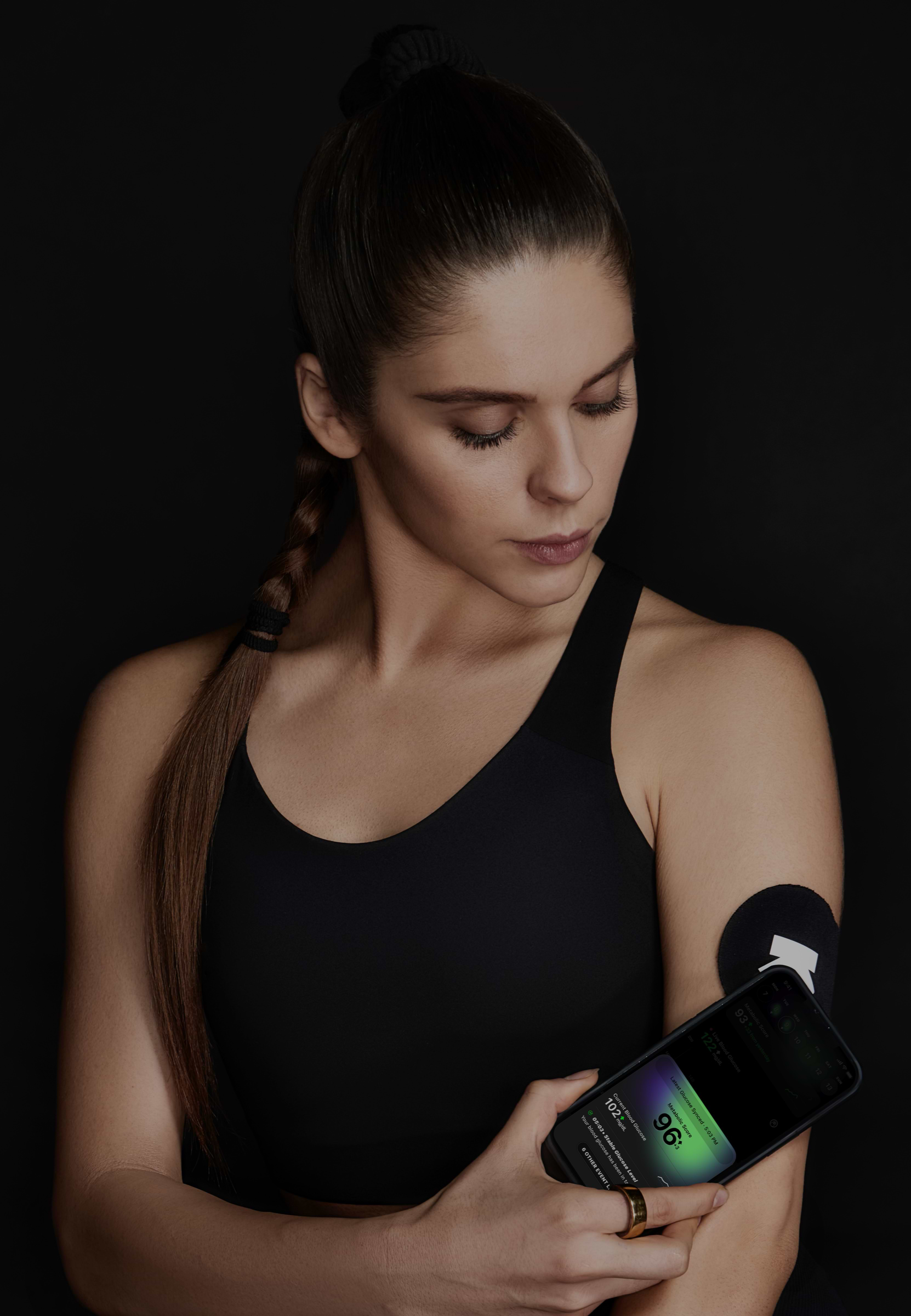
Find Glucose response for your favourite foods
Explore OGDbDiscover
metabolic
health with M1
Ultrahuman M1 helps you measure the impact of food and activity on your body in real time through glucose as a biomarker.
Explore Ultrahuman M1Your cart is empty
Browse through our products and find something for you.