
Loading...

Porridge (1 piece)

food-timeBreakfast

How to consume Porridge without glucose spikes

Add Protein or Healthy Fats

Incorporate a source of protein or healthy fats into your porridge. Consider adding a tablespoon of nut butter, a handful of nuts or seeds, or a dollop of Greek yogurt to slow down digestion and stabilize blood sugar levels.

Choose the Right Oats

Use steel-cut or old-fashioned rolled oats instead of instant oats. These types digest more slowly, helping prevent a rapid rise in blood glucose.

Portion Control

Be mindful of portion size. Consuming a smaller amount of porridge can help manage your body's response to carbohydrates.

Incorporate Fiber-Rich Foods

Top your porridge with fiber-rich fruits like berries or apples. Fiber can help moderate blood sugar levels by slowing the absorption of carbohydrates.

Spice It Up

Add cinnamon to your porridge. This spice may help improve insulin sensitivity and reduce blood sugar spikes.

Include Vinegar

Add a small splash of apple cider vinegar to your porridge or consume it as a diluted drink before meals. This may help reduce post-meal blood sugar levels.

Stay Hydrated

Drink a glass of water or a herbal tea with your meal to help with digestion and blood sugar control.

Monitor Timing

Consider eating porridge as part of a balanced meal rather than on its own. Pairing it with protein or fat can help manage the blood sugar response.

Be Active

Engage in light physical activity after your meal. A short walk can help lower blood sugar levels by increasing insulin sensitivity.

Track and Adjust

Keep a food diary to track your meals and how they affect your blood sugar. Adjust your porridge recipe based on what you observe works best for you.

healthspan-mbl

Discover
metabolic
health with M1

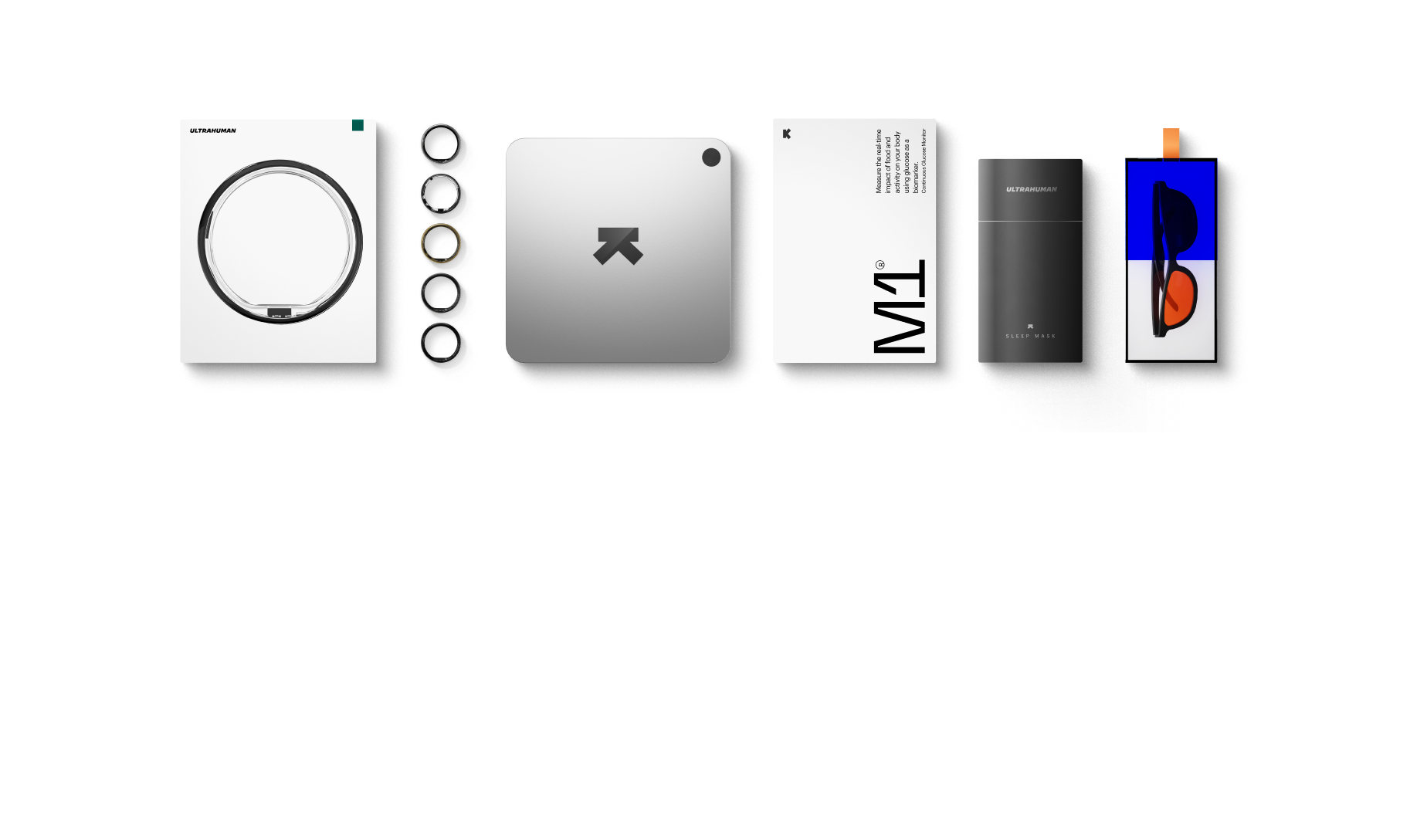
Ultrahuman M1 helps you measure the impact of food and activity on your body in real time through glucose as a biomarker.

Explore Ultrahuman M1

Find Glucose response for your favourite foods

Explore OGDb