




Loading...

Zero Carb Protein (Isopure) (1 Serving)

food-timeBreakfast

How to consume Zero Carb Protein without glucose spikes

Include Fiber-Rich Vegetables

Pair your protein with non-starchy vegetables like spinach, kale, or broccoli. These can help slow down digestion and reduce glucose spikes.

Add Healthy Fats

Incorporate healthy fats such as avocados, nuts, or olive oil. These can help stabilize blood sugar levels by creating a more balanced meal.

Stay Hydrated

Drink plenty of water throughout the day. Proper hydration supports overall metabolic processes and can aid in the regulation of blood sugar.

Eat Smaller, More Frequent Meals

Instead of large meals, try smaller, more frequent meals to maintain stable glucose levels.

Incorporate Physical Activity

Engage in light physical activity, such as walking, after meals to help your body use glucose more efficiently.

Mindful Eating

Eat slowly and chew thoroughly to give your body time to process and regulate the intake of protein effectively.

Monitor Portion Sizes

Be conscious of the portion size of your protein intake to avoid consuming more than your body can efficiently process at once.

Include Probiotic Foods

Integrate foods like yogurt or kefir into your diet to promote gut health, which can play a role in blood sugar regulation.

Plan Balanced Meals

Ensure that your meals contain a balance of protein, fats, and fiber to minimize any potential increase in glucose levels.

Consider Timing

Experiment with different meal timing to see how your body responds, as some people may find that eating protein at certain times of the day results in a smaller glucose response.

healthspan-mbl

Discover
metabolic
health with M1

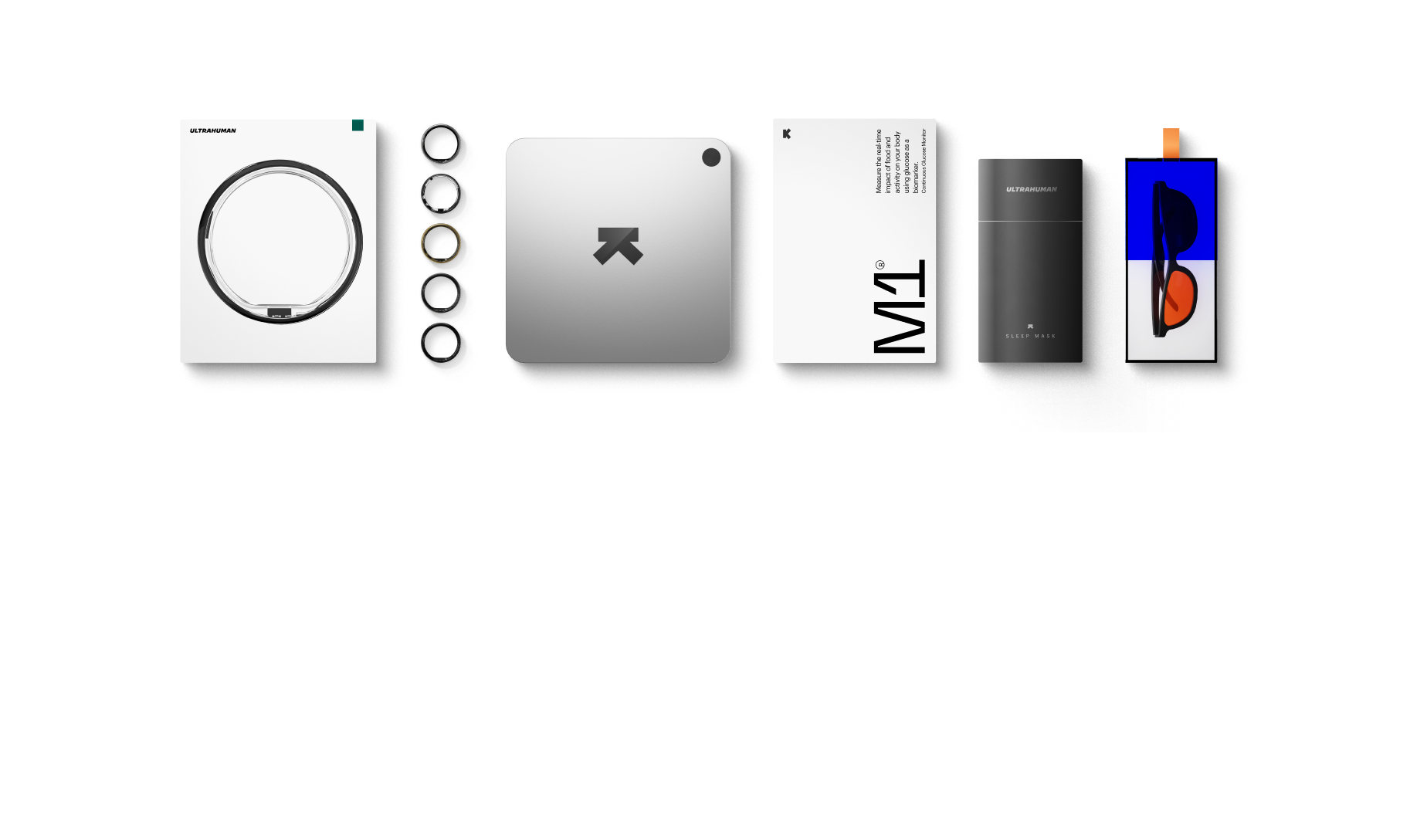
Ultrahuman M1 helps you measure the impact of food and activity on your body in real time through glucose as a biomarker.

Explore Ultrahuman M1

Find Glucose response for your favourite foods

Explore OGDb