
Introducing Pulsomics. Contribute to science. Learn MoreIntroducing Pulsomics. Contribute to science.
M2 Live is here. Continuous Glucose Tracking, no Rx
Introducing Pulsomics. Contribute to science. Learn MoreIntroducing Pulsomics. Contribute to science.
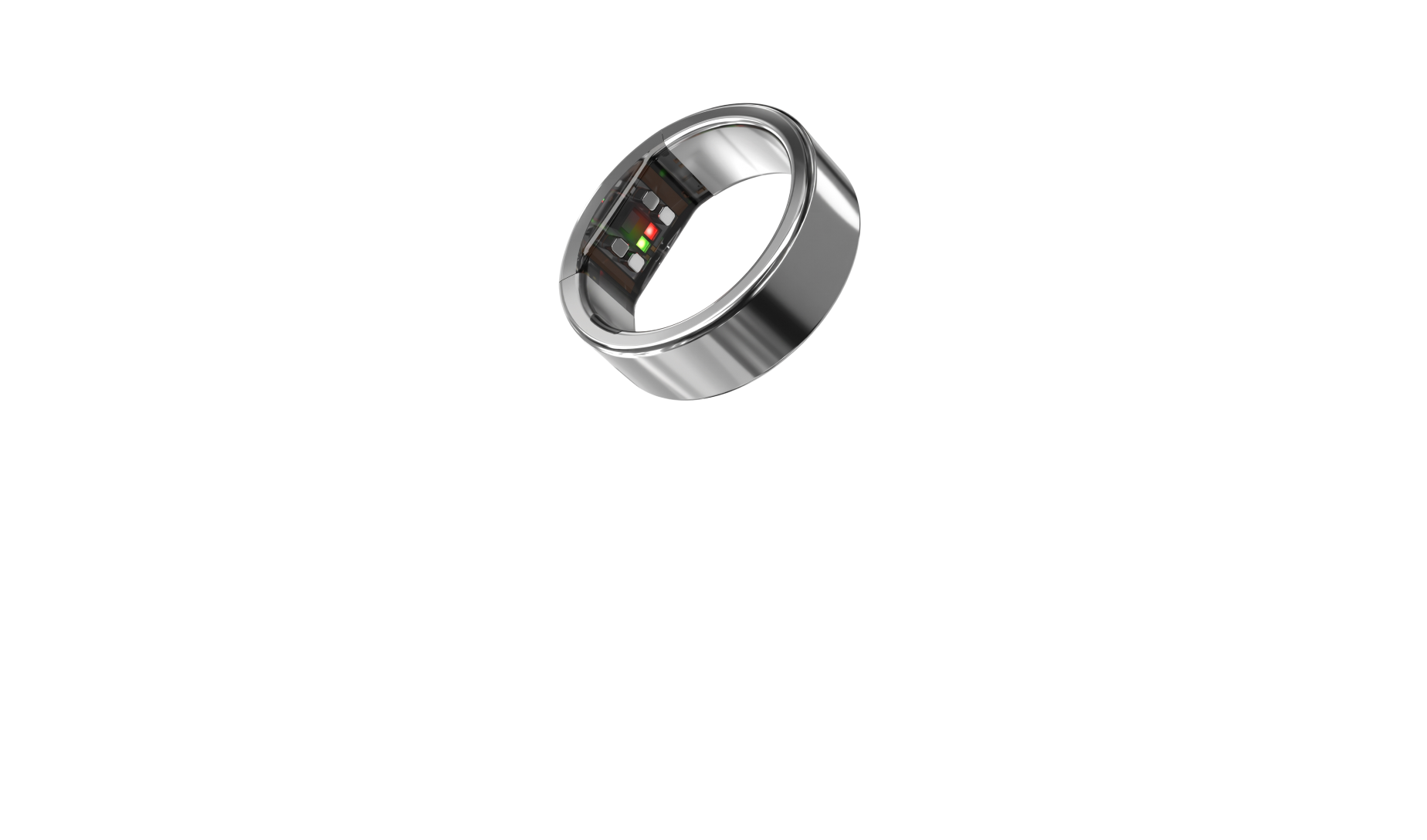
Ultrahuman Ring
Choose the ring built for you.

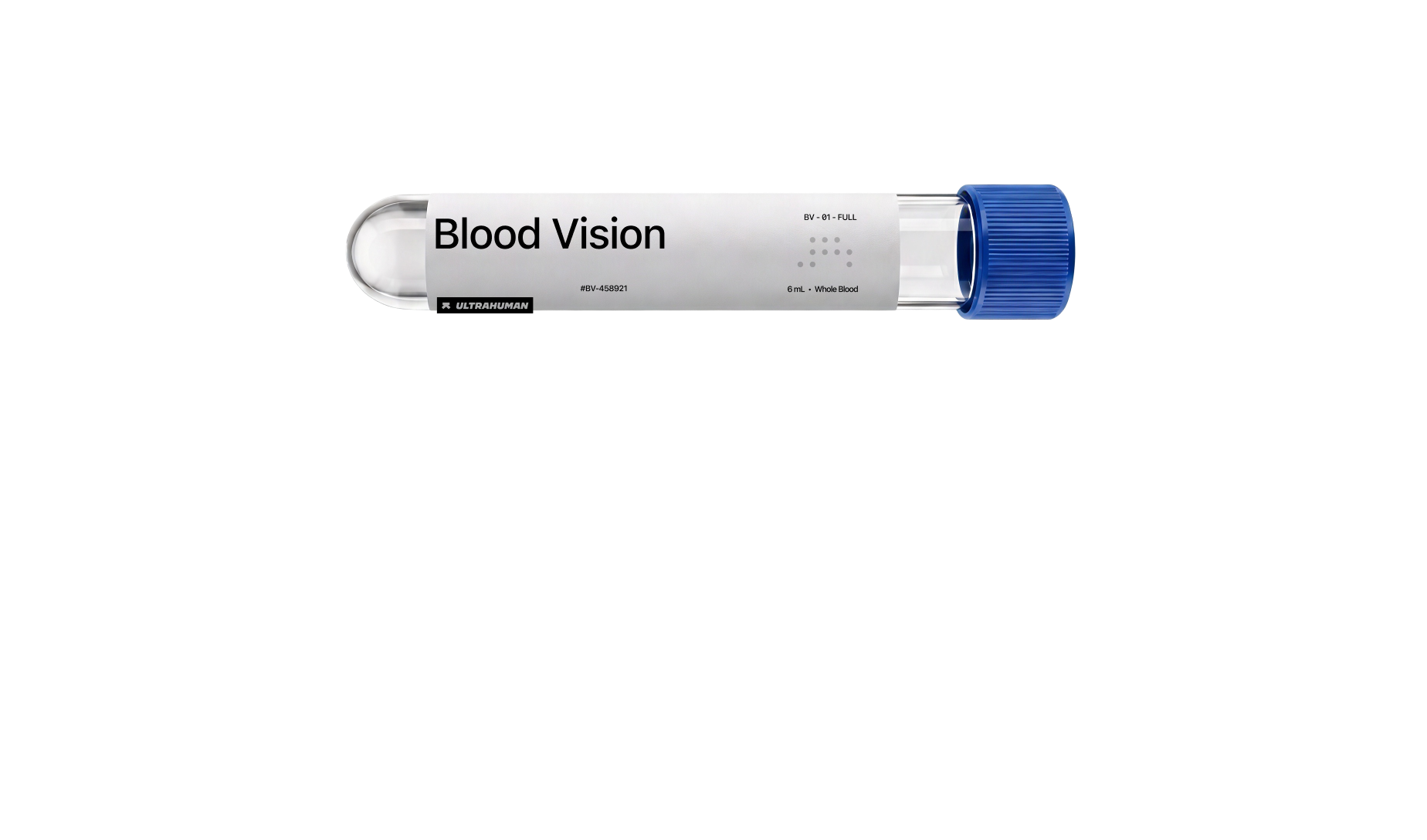
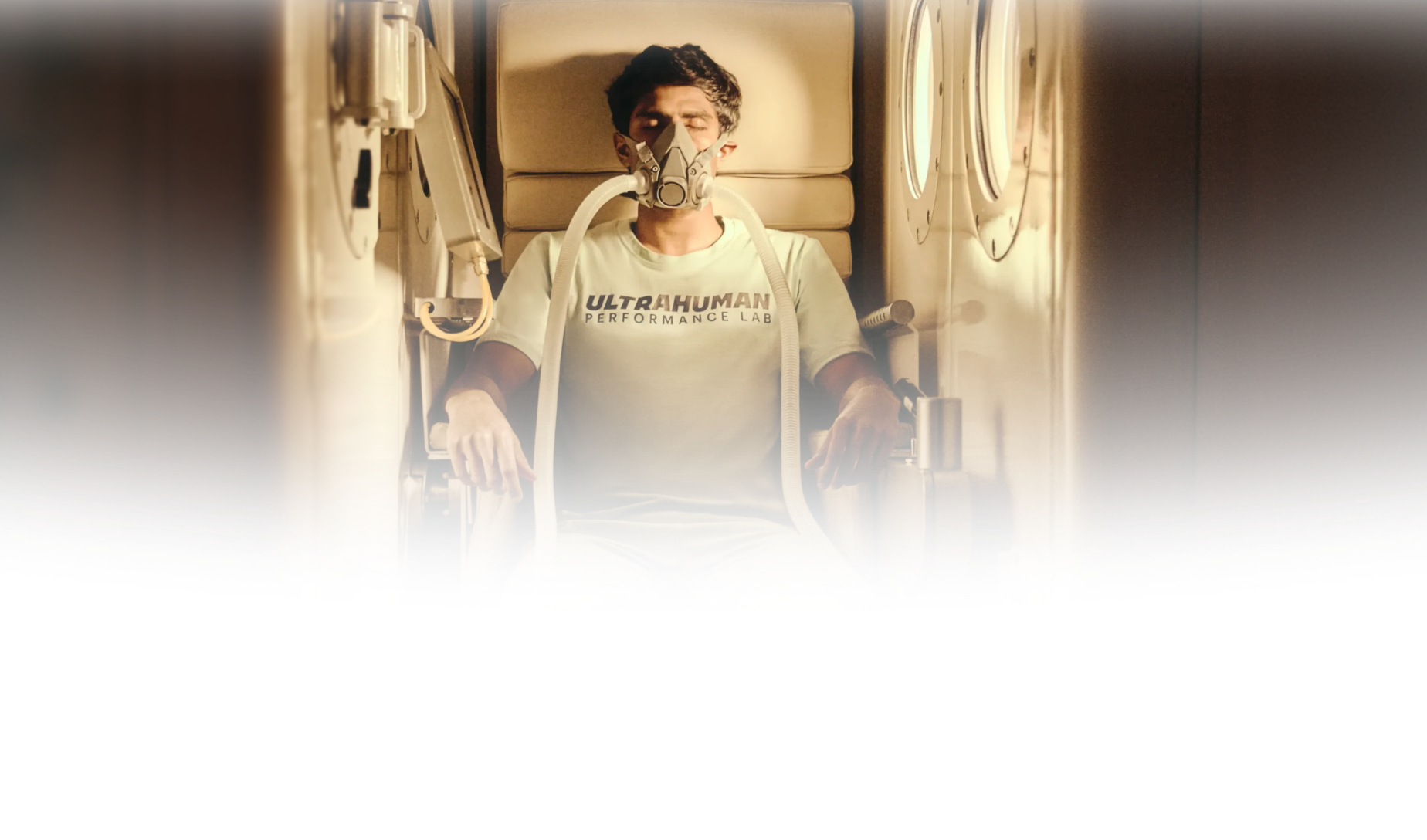
Performance Lab
Train, test and recover at our Bengaluru facility.

Science & Research

Alcohol (1 piece)
 Dinner
111 mg/dL
avg. peak value
Usually causes a medium spike
Avg. Food Score on Ultrahuman App
62%
Ultrahuman Users got a STABLE response
Other related foods
- alcoholic beverage 86 proof gin rum vodka whiskey
- alcoholic beverage 80 proof gin rum vodka whiskey
- quest chocolate chip cookie dough net carbs sugar alcohols omitted 1 bar
- non alcoholic beer
- cacao powder frozen dark sweet pitted cherries organic unsweetened soymilk organic coconut milk organic plant protein roasted unsalted cashew nuts vanilla extract imitation no alcohol
How to consume Alcohol without glucose spikes
Choose lower-sugar alcoholic drinks such as dry wine, spirits mixed with soda water, or light beer; avoid sweet cocktails, liqueurs, regular tonic, juice mixers, and sugary canned drinks.
Do not drink on an empty stomach. Pair alcohol with a balanced meal containing protein, healthy fats, and high-fiber carbohydrates such as lentils, chickpeas, beans, plain yogurt, or non-starchy vegetables.
Keep portions small and drink slowly; alternate each alcoholic drink with water or sparkling water to reduce total alcohol and added-sugar intake.
Avoid late-night drinking and high-carbohydrate bar foods such as fries, chips, pizza, and desserts, which can compound the rise.
Take a gentle 10–20 minute walk after drinking or after the accompanying meal if it is safe for you to do so.
Monitor your glucose response, since alcohol can cause delayed lows as well as rises—especially if you use insulin or glucose-lowering medication; discuss alcohol safety with your clinician.
Powered by ChatGPT. ChatGPT's information is based on machine learning and may not be entirely accurate or reliable. Consult a healthcare professional before changing your lifestyle, diet or treatment. We don't endorse any specific foods, products and assume no liability for any loss or damage caused by relying on ChatGPT.
Discover
metabolic
health with M2
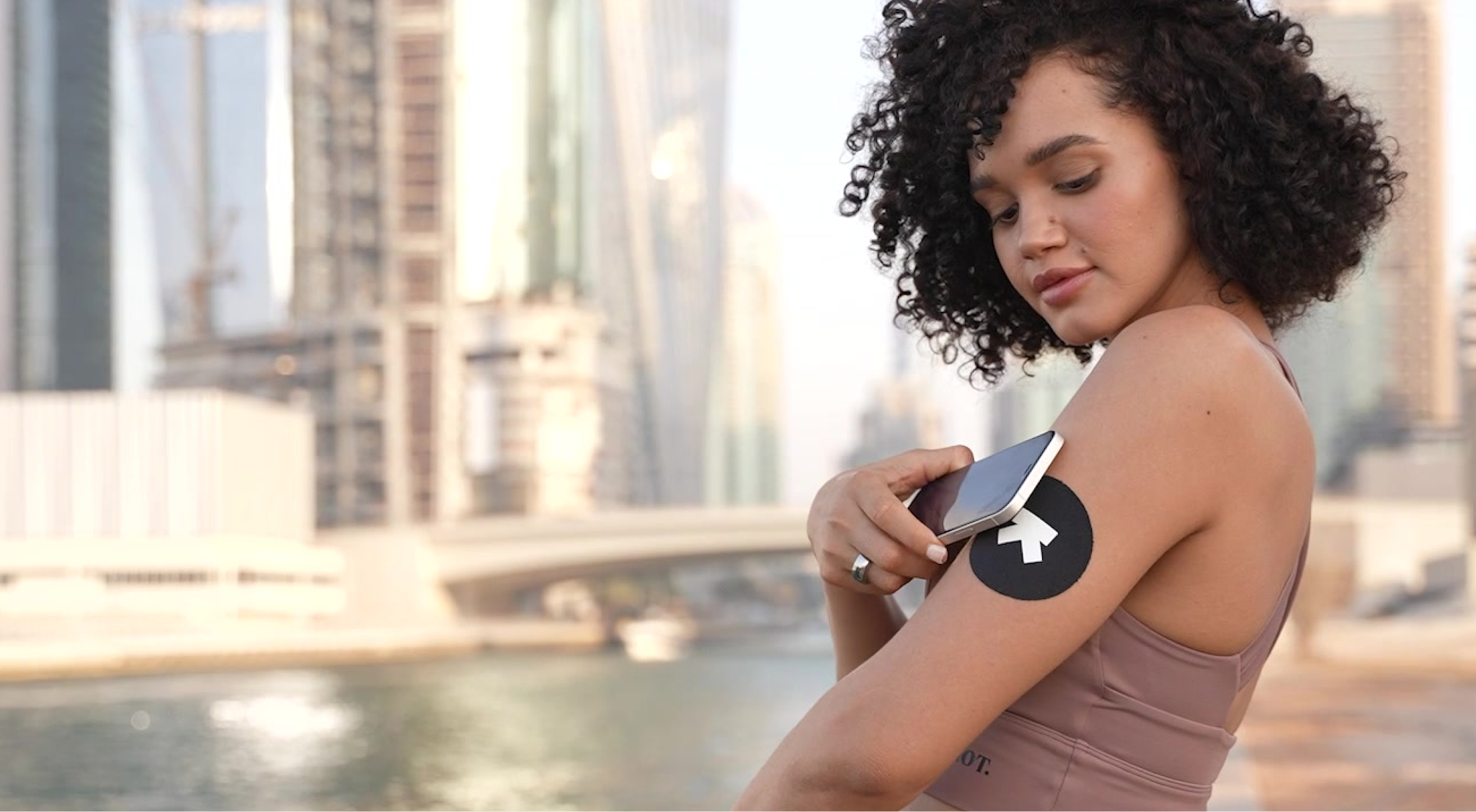
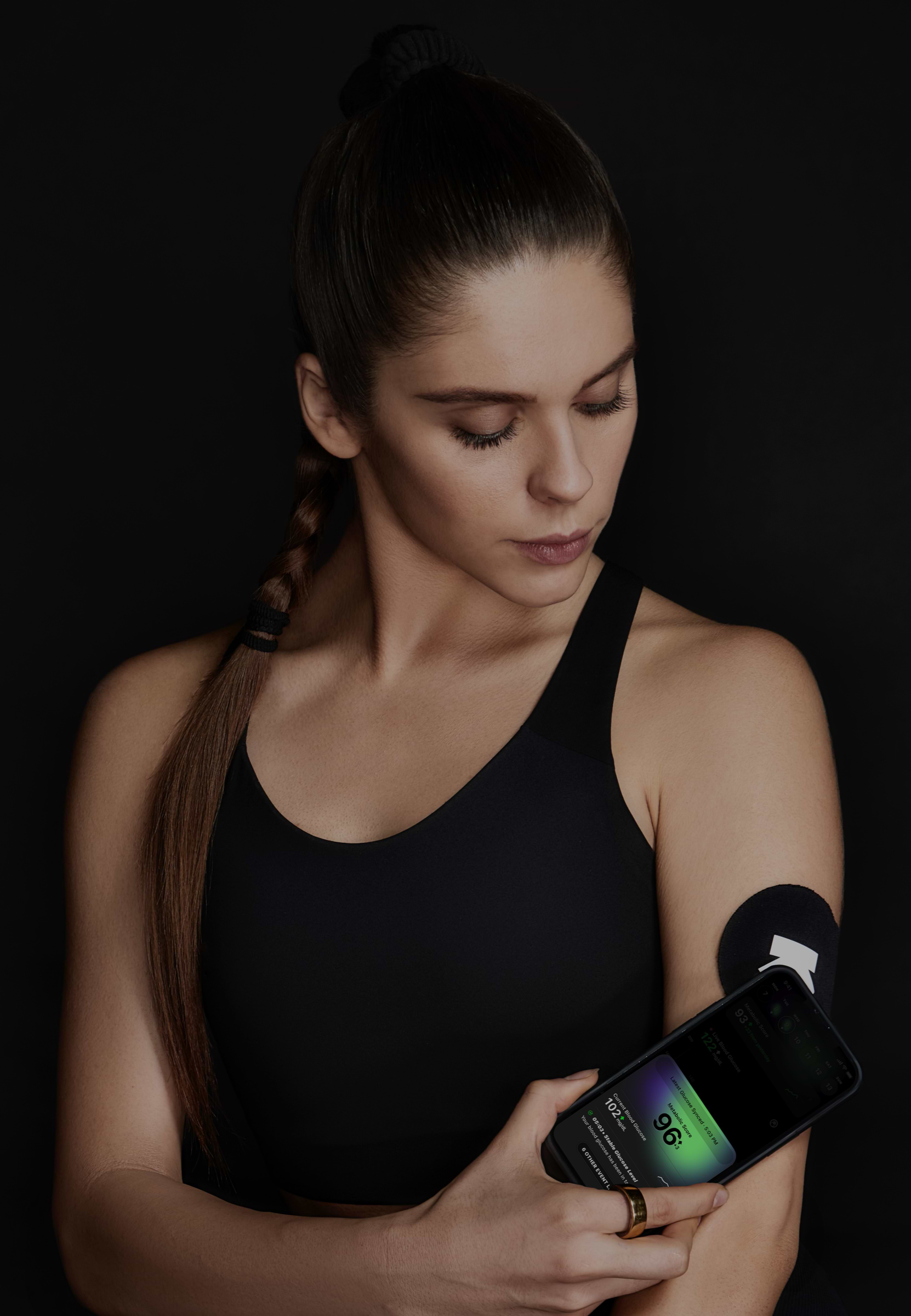
Ultrahuman M2 helps you measure the impact of food and activity on your body in real time through glucose as a biomarker.
Explore Ultrahuman M2Find Glucose response for your favourite foods
Explore OGDbYour cart is empty
Looks like you haven't added anything yet. Explore our products to get started.