

Blueberries (100 G) and Kefir (1 Cup)
 Breakfast
114 mg/dL
avg. peak value
Usually causes a small spike
Avg. Food Score on Ultrahuman App
Ultrahuman Users got a STABLE response
Other related foods
- blueberries
- blueberries raspberries
- blueberries greek yogurt
- blueberries strawberries
- blueberries walnuts
- blueberries english greek yoghurt
- blueberries low fat greek yogurt
- avocados blueberries cioccolato fondente amedei 92 fiocchi d avena kefir mandorle semi di chia semi di chia biologici toasted white bread
- blueberries celery juice apple cider shia seed tumeric powder ginger pineapple coffee with cinnamon and cream powder
- blueberries honey mixed nuts skyr
How to consume Blueberries, Kefir without glucose spikes
Portion Control
Limit the quantity of blueberries and kefir in a single serving. Smaller portions can help moderate the glucose response.
Add Protein
Incorporate a source of protein, such as a handful of almonds or a boiled egg, alongside your blueberries and kefir to help slow down glucose absorption.
Increase Fiber
Include high-fiber foods like chia seeds or ground flaxseeds in your meal. These can be mixed into the kefir to enhance digestion and reduce glucose spikes.
Incorporate Healthy Fats
Pair your meal with foods rich in healthy fats, such as avocado or a small amount of unsweetened nut butter. This can help slow the digestion process.
Choose a Balanced Meal
Combine blueberries and kefir with a salad containing leafy greens like spinach or kale to add fiber and nutrients, which can aid in stabilizing glucose levels.
Physical Activity
Engage in light physical activity, like a brisk walk, after consuming these foods. This can help your body utilize glucose more effectively.
Stay Hydrated
Drink water before and after your meal to support digestion and help your body process glucose more efficiently.
Monitor Timing
Consider timing your consumption of blueberries and kefir around your most active parts of the day, when your body can better manage glucose levels.
Opt for Unsweetened Kefir
Choose unsweetened varieties of kefir to avoid added sugars that can contribute to glucose spikes.
Discover
metabolic
health with M1
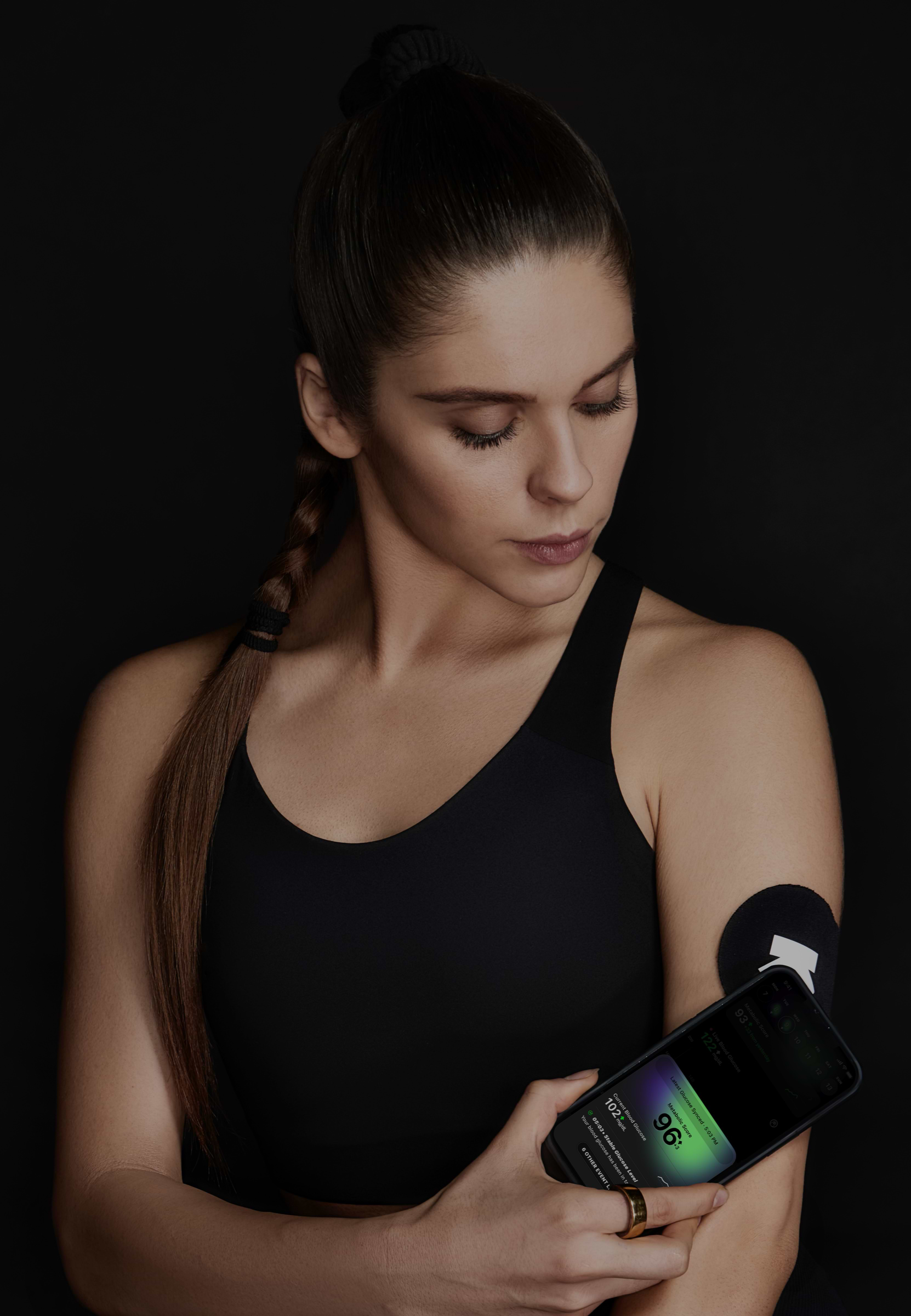
Ultrahuman M1 helps you measure the impact of food and activity on your body in real time through glucose as a biomarker.
Explore Ultrahuman M1Find Glucose response for your favourite foods
Explore OGDbYour cart is empty
Browse through our products and find something for you.