
Loading...

Milk (1 Cup) and Bread (100 G)

food-timeDinner

How to consume Bread, Milk without glucose spikes

Opt for Whole Grain Bread

Choose whole grain or multi-grain bread instead of white bread. These options digest more slowly, helping to prevent a rapid increase in glucose levels.

Pair with Protein or Healthy Fats

Eat bread and milk with a source of protein like eggs, or healthy fats such as avocado or nuts. These can slow down the digestion process and stabilize blood sugar levels.

Incorporate Vinegar

Add a small amount of vinegar to your meal, such as in a salad dressing. Vinegar may help to slow the absorption of carbohydrates.

Fiber-Rich Foods

Include foods high in fiber, such as leafy greens, lentils, or beans, in your meal. Fiber helps to slow the absorption of sugar into the bloodstream.

Moderate Portion Sizes

Control the portion sizes of bread and milk. Eating smaller portions can help in managing the body's glucose response.

Drink Plain or Unsweetened Alternatives

Opt for plain or unsweetened plant-based milk alternatives such as almond or soy milk to reduce sugar intake.

Eat Slowly and Mindfully

Take your time to eat, chewing thoroughly, and focusing on your meal. This can aid digestion and help prevent a sudden glucose spike.

Include Non-Starchy Vegetables

Add a side of non-starchy vegetables like broccoli, spinach, or bell peppers to your meal to help balance blood sugar levels.

Stay Hydrated

Drink water before or during your meal. Proper hydration is essential in supporting healthy blood sugar levels and digestion.

Light Physical Activity

Engage in a short walk or light physical activity after eating. This can help the body utilize glucose more efficiently and reduce spikes.

healthspan-desktophealthspan-mbl

Discover
metabolic
health with M1

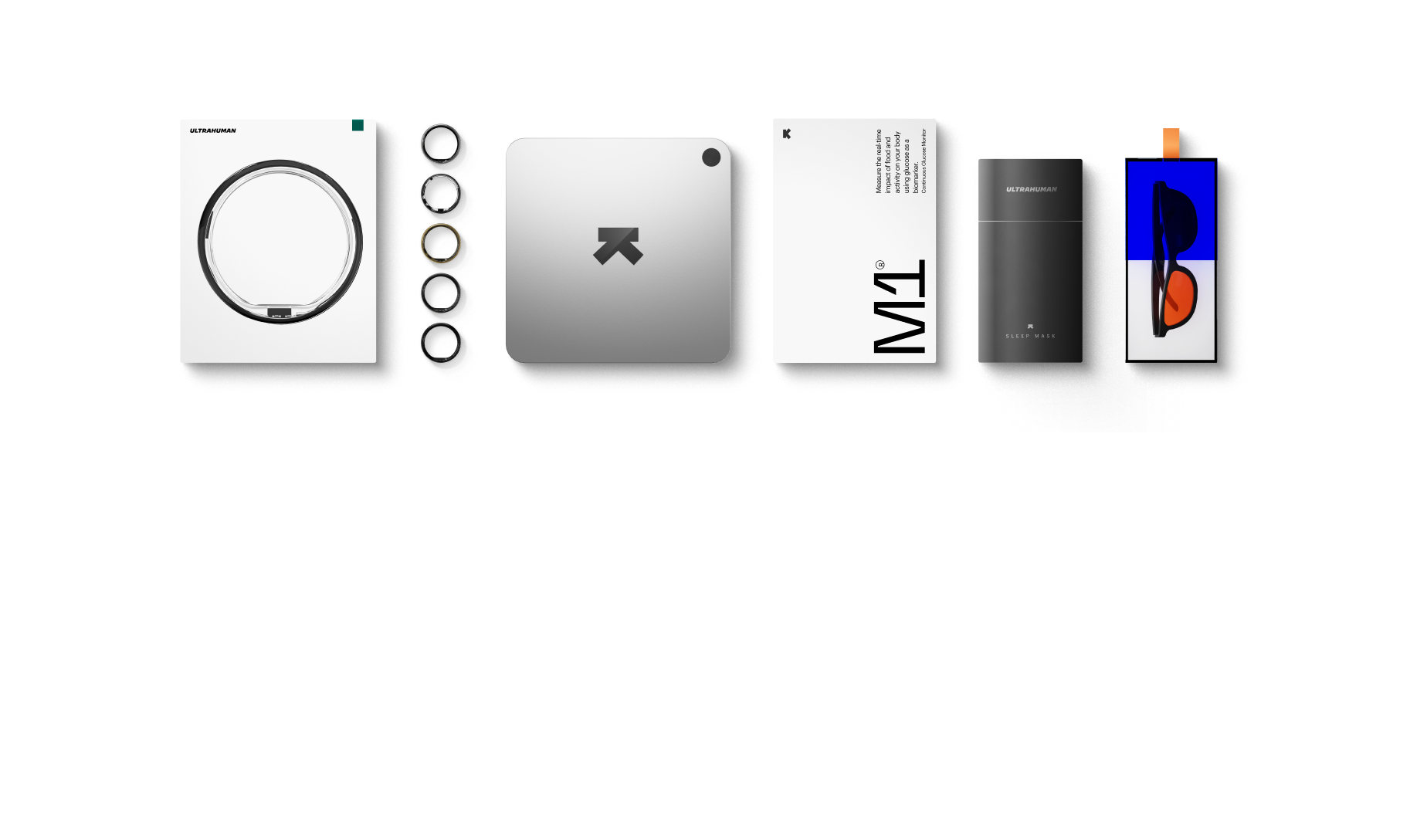
Ultrahuman M1 helps you measure the impact of food and activity on your body in real time through glucose as a biomarker.

Explore Ultrahuman M1

Find Glucose response for your favourite foods

Explore OGDb