




Breakfast eggs (1 piece)
 Breakfast
102 mg/dL
avg. peak value
Usually has a stable response
Avg. Food Score on Ultrahuman App
100%
Ultrahuman Users got a STABLE response
How to consume Breakfast eggs without glucose spikes
Pair with Fiber
Incorporate high-fiber foods such as whole grain toast or oatmeal to slow down glucose absorption.
Add Healthy Fats
Include a small portion of avocado or nuts, like almonds or walnuts, to help stabilize blood sugar levels.
Include Vegetables
Add non-starchy vegetables like spinach, bell peppers, or tomatoes to your eggs to increase nutrient density and slow digestion.
Choose Low-Sugar Beverages
Opt for unsweetened tea, coffee, or water instead of sugary juices or sodas.
Eat Protein-Rich Foods
Consider having a side of lean protein like turkey or chicken slices, as protein helps manage blood sugar levels.
Stay Hydrated
Drink a glass of water before your meal to help with digestion and control appetite.
Control Portions
Keep your egg servings moderate to avoid excessive calories and potential glucose spikes.
Add Spices
Use spices like cinnamon or turmeric in your eggs for added flavor without adding sugar.
Opt for Whole Eggs
Whole eggs contain healthy fats and other nutrients that can help balance blood sugar.
Mind Eating Pace
Eat slowly and chew thoroughly, which aids in better digestion and glucose control.

Discover
metabolic
health with M1
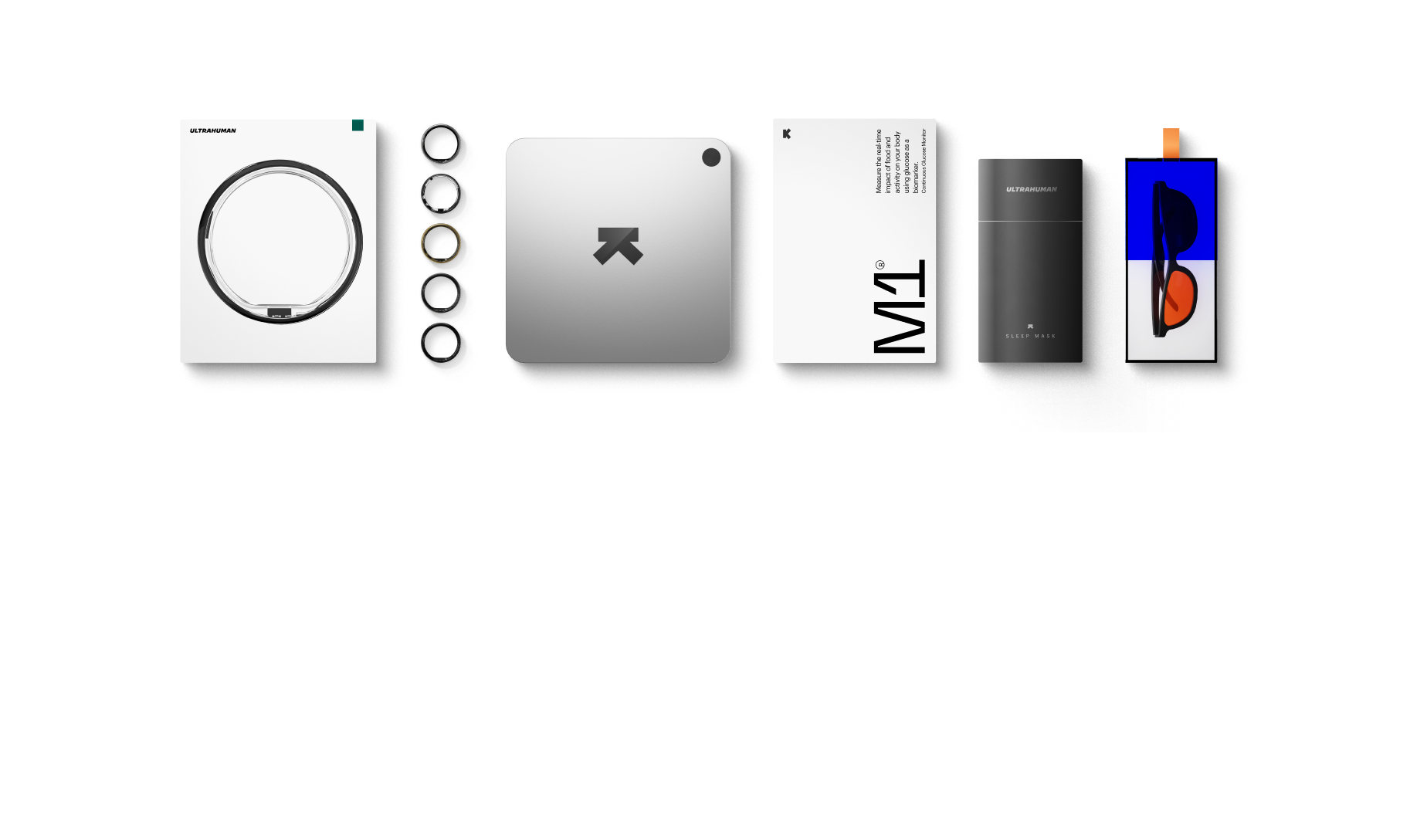
Ultrahuman M1 helps you measure the impact of food and activity on your body in real time through glucose as a biomarker.
Explore Ultrahuman M1Find Glucose response for your favourite foods
Explore OGDb