




Breakfast omellete (1 serving(s))
 Breakfast
132 mg/dL
avg. peak value
Usually causes a medium spike
Avg. Food Score on Ultrahuman App
75%
Ultrahuman Users got an UNSTABLE response
How to consume Breakfast omellete without glucose spikes
Include Fiber-Rich Vegetables
Add vegetables like spinach, tomatoes, and bell peppers to your omelet. These are rich in fiber and can help slow down the absorption of sugars.
Opt for Whole-Grain Bread
If you enjoy toast with your omelet, choose whole-grain or multigrain bread instead of white bread to provide more fiber and nutrients.
Add Avocado
Including a side of avocado can increase healthy fats and fiber, which can help stabilize blood sugar levels.
Incorporate Beans
Consider adding black beans or lentils as a side dish. They are high in fiber and protein, which can help moderate blood sugar spikes.
Choose Low-Fat Cheese
Use a small amount of low-fat cheese in your omelet to lower fat content, which can help maintain steady glucose levels.
Include a Protein-Rich Side
Pair your omelet with a lean protein source such as turkey bacon or a small serving of Greek yogurt to balance the meal.
Limit Portion Size
Be mindful of the portion size of the omelet to avoid consuming excess calories, which can contribute to glucose spikes.
Stay Hydrated
Drink a glass of water or unsweetened tea with your meal to help digestion and maintain hydration.
Incorporate Nuts
Add a handful of nuts like almonds or walnuts as a side. They provide healthy fats and proteins, contributing to balanced blood sugar levels.
Practice Mindful Eating
Eat slowly and savor each bite to give your body time to process the food, which can help manage glucose levels.

Discover
metabolic
health with M1
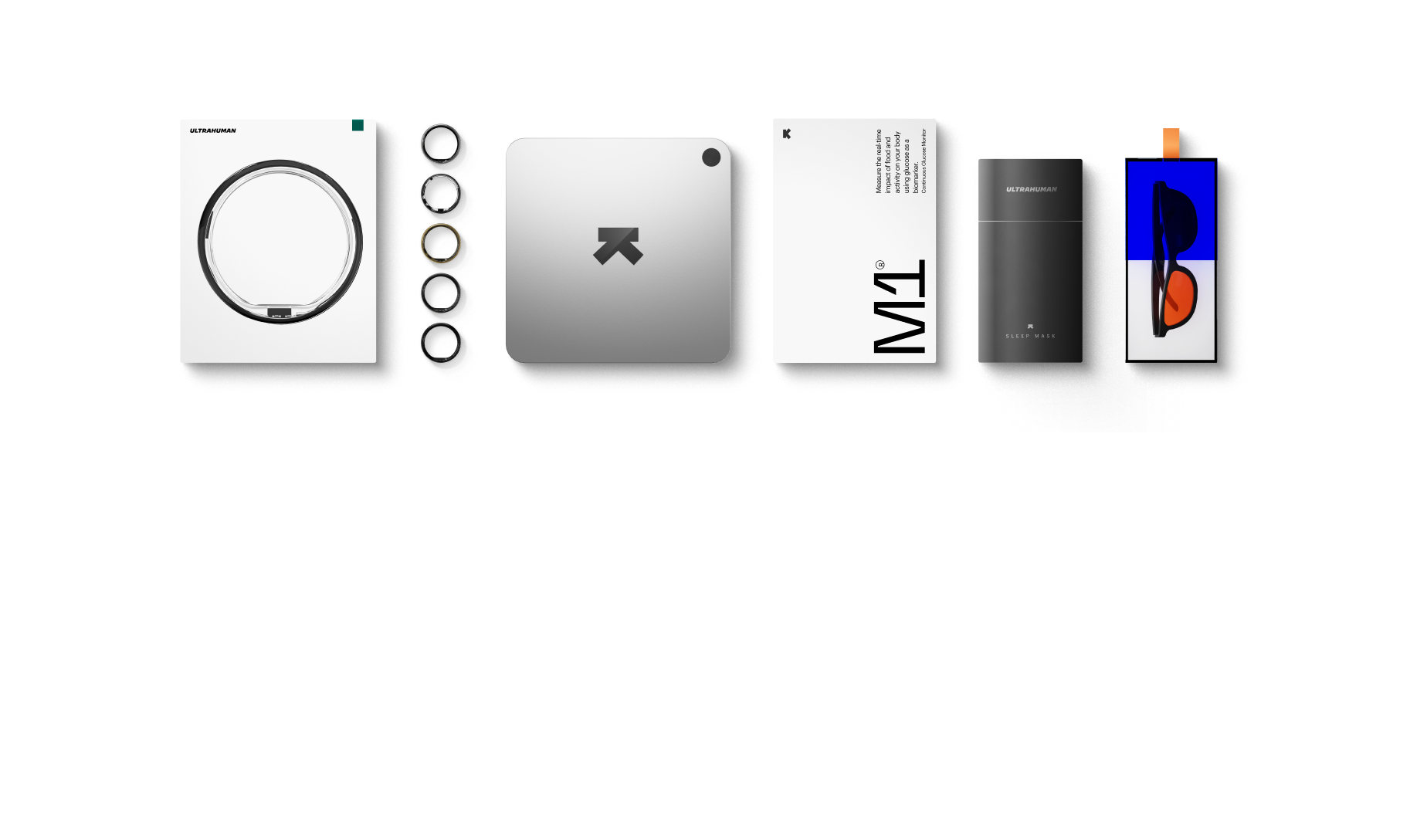
Ultrahuman M1 helps you measure the impact of food and activity on your body in real time through glucose as a biomarker.
Explore Ultrahuman M1Find Glucose response for your favourite foods
Explore OGDb