

English Aloo Palak (1 Serving (125g)) and Chapati (1 Piece)
 Lunch
Lunch
151 mg/dL
avg. peak value
Usually causes a large spike
Avg. Food Score on Ultrahuman App
Ultrahuman Users got an UNSTABLE response
How to consume chapati, english aloo palak without glucose spikes
Portion Control
Reduce the portion size of chapati and aloo palak. Eating smaller amounts can help manage glucose spikes more effectively.
Incorporate Protein
Add a source of protein to your meal, such as lentils, chickpeas, or grilled chicken. Protein can slow down the absorption of carbohydrates, helping to stabilize blood sugar levels.
Add Healthy Fats
Include healthy fats like avocado or a small amount of nuts such as almonds or walnuts. These fats can help slow the digestion of carbohydrates and reduce spikes.
Increase Fiber Intake
Incorporate fiber-rich foods, such as leafy greens, broccoli, or a side salad, to your meal. Fiber slows down the digestion and absorption of carbohydrates.
Hydrate Properly
Drink plenty of water before and during your meal to aid digestion and help maintain steady blood sugar levels.
Pre-Meal Exercise
Engage in a light exercise, such as a short walk, before eating. Physical activity can help improve insulin sensitivity and reduce the impact of carbohydrate-rich foods.
Mindful Eating
Eat slowly and mindfully, paying attention to hunger and fullness cues. This practice can prevent overeating and help in managing post-meal blood sugar levels.
Use Whole Grain Options
If possible, choose whole grain chapati or other whole grain alternatives, as they contain more fiber and nutrients compared to refined options.
Spice it Up
Use spices like cinnamon or fenugreek, which may help in stabilizing blood sugar levels when included as a part of your meal.
Monitor and Adjust
Keep track of your blood sugar levels before and after meals and adjust your future meals accordingly based on what works best for maintaining stability.
Discover
metabolic
health with M1
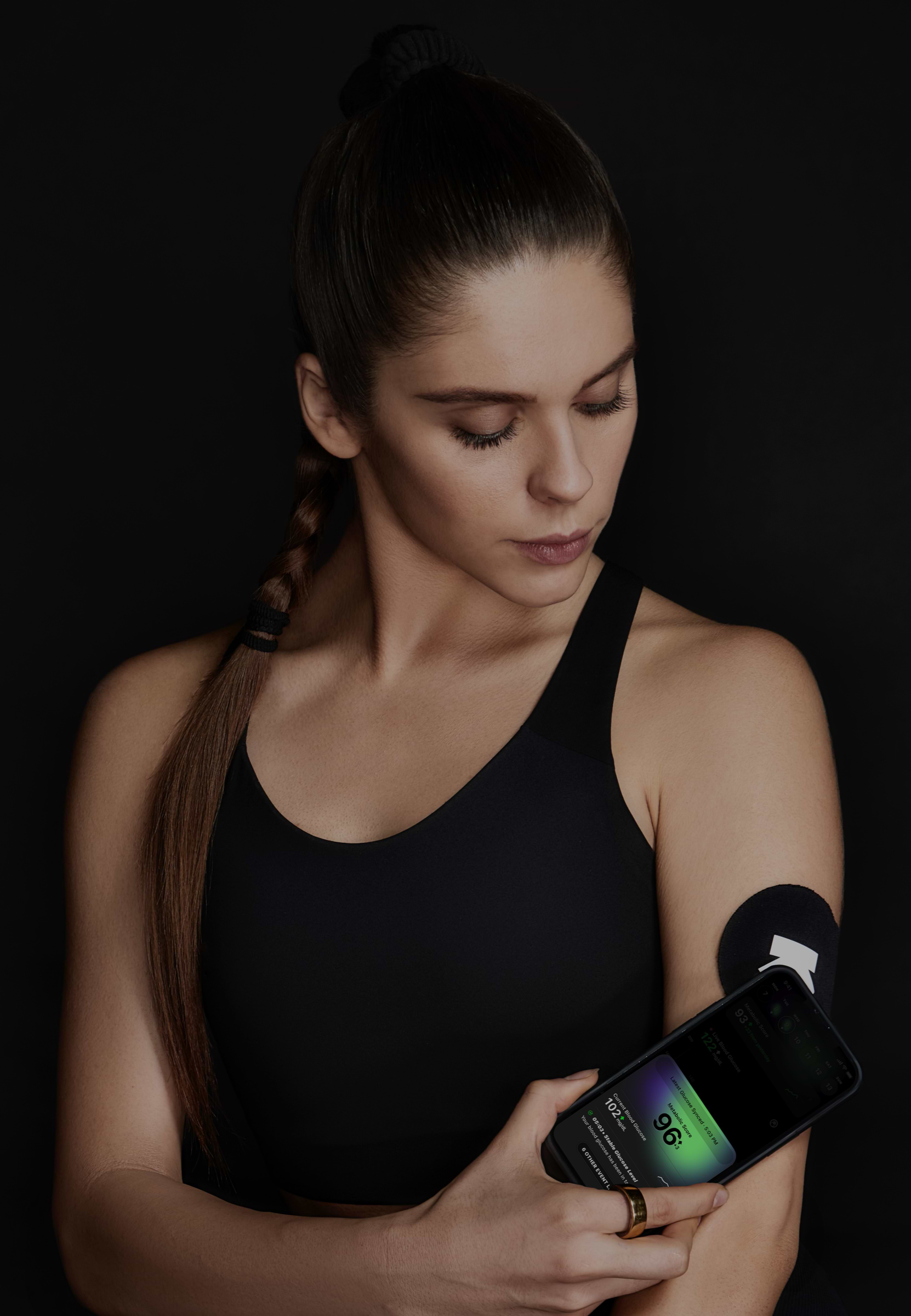
Ultrahuman M1 helps you measure the impact of food and activity on your body in real time through glucose as a biomarker.
Explore Ultrahuman M1Find Glucose response for your favourite foods
Explore OGDbYour cart is empty
Looks like you haven't added anything yet. Explore our products to get started.