
Loading...

Chicken briyani (1 piece)

food-timeDinner

113 mg/dL

avg. peak value

Usually causes a small spike

6

Avg. Food Score on Ultrahuman App

60%

Ultrahuman Users got a STABLE response

How to consume Chicken briyani without glucose spikes

Portion Control

Start by reducing the portion size of the chicken biryani. Smaller portions can help manage the spike in glucose levels more effectively.

Add Fiber-Rich Vegetables

Incorporate vegetables such as spinach, broccoli, or bell peppers into the biryani. These can help slow down the digestion process and reduce glucose spikes.

Include a Side Salad

Have a side salad with leafy greens, cucumbers, and tomatoes dressed with lemon juice or vinegar. This can add bulk and fiber to your meal, further moderating glucose levels.

Opt for Brown Rice

Replace white rice in the biryani with brown rice. It digests slower, which can help control the rise in glucose levels after eating.

Include Protein-Rich Sides

Adding protein sources like boiled eggs or a small bowl of yogurt can help balance the overall meal, reducing the rate of glucose absorption.

Stay Hydrated

Drink water before and during your meal. Staying hydrated can help with digestion and may reduce the impact of glucose spikes.

Eat Slowly

Take your time to enjoy your meal. Eating slowly can help your body signal fullness earlier, potentially leading to smaller meal sizes and better glucose management.

Add Some Nuts

Sprinkle a small serving of almonds or walnuts on your biryani. These nuts can provide healthy fats and protein, further helping to stabilize blood sugar levels.

Use Herbs and Spices

Include spices like turmeric, cinnamon, or cumin in your biryani. They not only enhance the flavor but may also have beneficial effects on glucose metabolism.

Exercise Post-Meal

Engage in light physical activity, like a 15-minute walk, after eating. This can help your body use the glucose more efficiently and reduce post-meal spikes.

healthspan-mbl

Discover
metabolic
health with M1

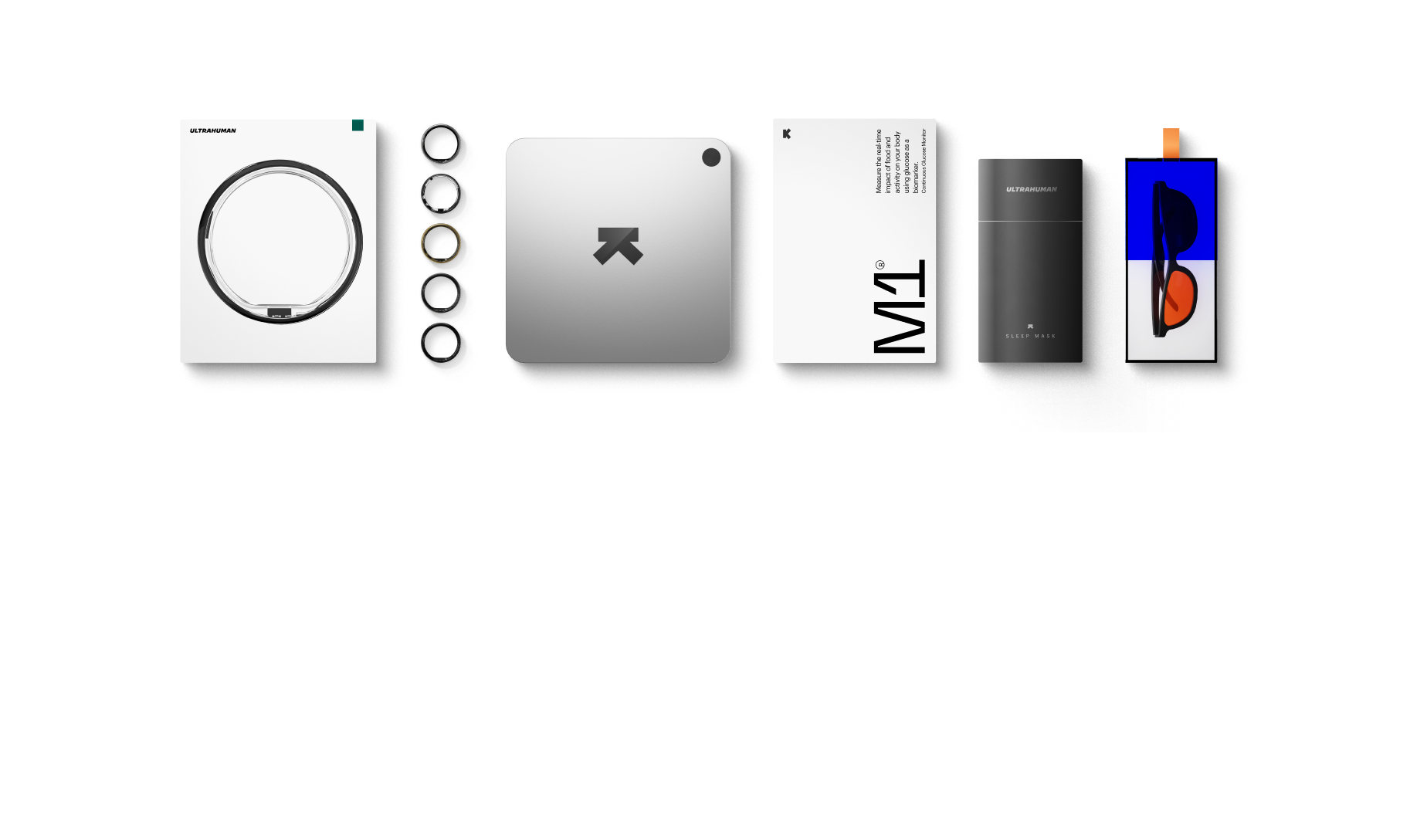
Ultrahuman M1 helps you measure the impact of food and activity on your body in real time through glucose as a biomarker.

Explore Ultrahuman M1

Find Glucose response for your favourite foods

Explore OGDb